



Meet three individuals boldly pushing for change among youth
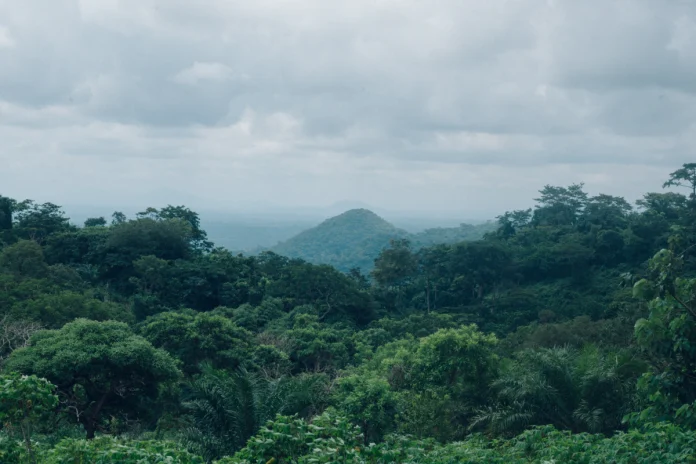
ACROSS Malaysia, a new generation of environmental leaders is rethinking how the country understands climate, biodiversity and community action. They are outspoken and driven not by the spotlight, but by a desire to reshape how Malaysians see the world around them.
Among them are three individuals whose work spans environmental rights, policy education and youth empowerment. Together, they show how change begins when young people are given the tools and space to lead.
Making environmental rights visible
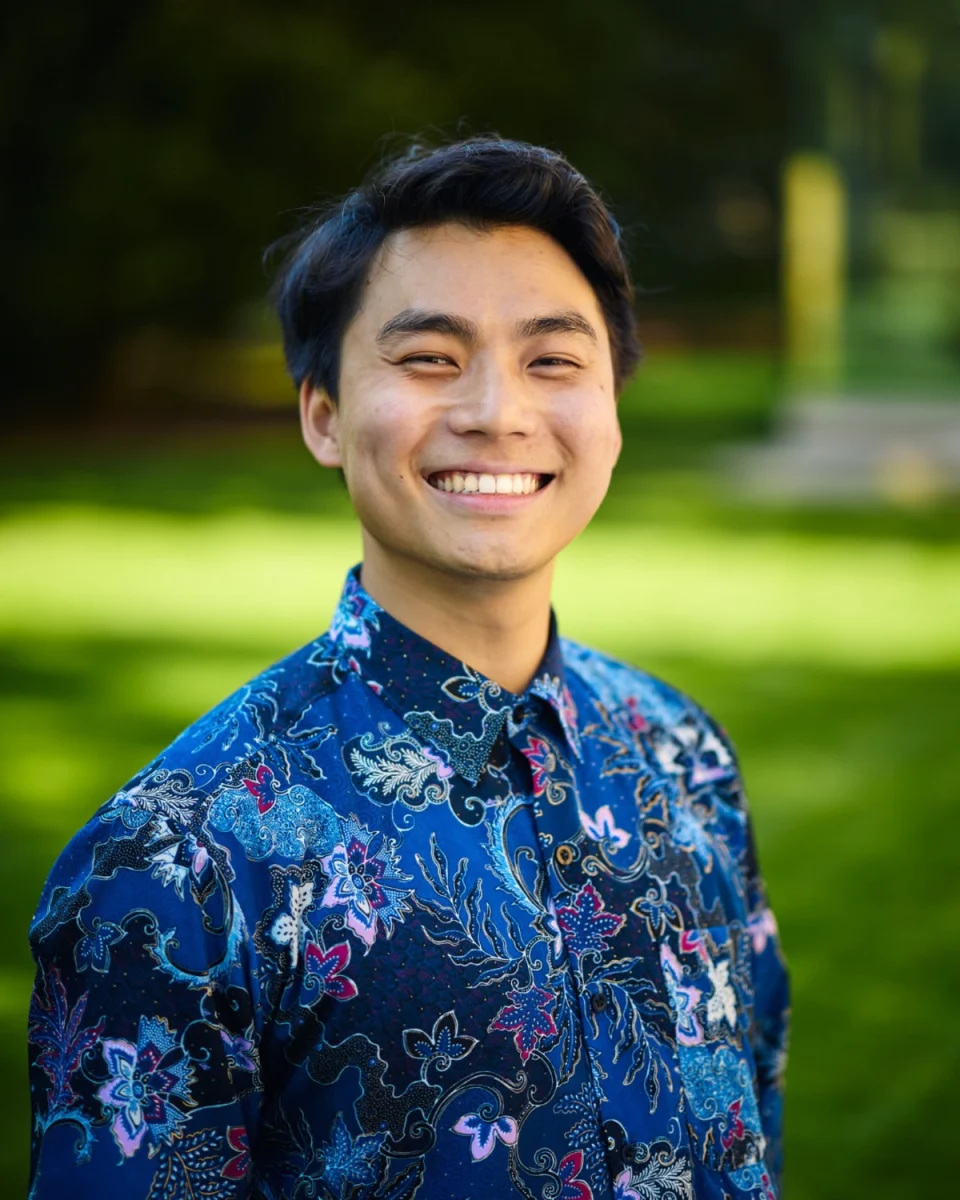
For Youths United for Earth (Yufe) co-founder Max Han, 24, the biggest challenge in Malaysia is not that people do not care about the environment. It is that much of the damage happening around them is too quiet, too gradual and too easily ignored. He often refers to this as slow violence, the kind of harm that builds over time before anyone recognises how serious it has become.
“Flash floods, haze and heatwaves get attention because we can see and feel them, but what we often miss is the slow violence, the invisible and gradual damage that causes irreversible and disproportionate outcomes,” he told theSun.
Biodiversity loss is one of the clearest examples. Forests shrink, habitats change and wildlife declines long before the public realises the impact. Han believes Malaysians need to understand not only the science, but the systems that create these outcomes.
One of the biggest milestones in his work came in 2025, when the Asean Declaration on the Right to a Safe, Clean, Healthy and Sustainable Environment was adopted. It is the region’s first formal recognition that every citizen has a right to a liveable environment.
“Everyone needs to be aware of our right to clean environments and the obligation of governments and business leaders to honour that,” he said.
But regional agreements are only one part of the puzzle. Han believes Malaysians need practical ways to participate. He often reminds young people that change begins with small, intentional choices, but that individual action should not be romanticised.
“We are born in a system that prioritises convenience over sustainability so individual action only goes so far. The most powerful thing you can do is to read up more and get involved locally.”
For him, the strongest change comes from communities organising together and pushing for long-term solutions. Funding, however, remains a persistent challenge.
“Funding for youth movements needs to be normalised. This work is typically unpaid which excludes people who cannot afford unpaid work or volunteering,” he said.
Han continues to advocate for environmental rights and a culture of storytelling that connects Malaysians to their own landscapes, from sun bears in Borneo to colugos in Langkawi. His work asks a simple question: How can Malaysians protect what they do not fully understand?
Translating climate policy for youth
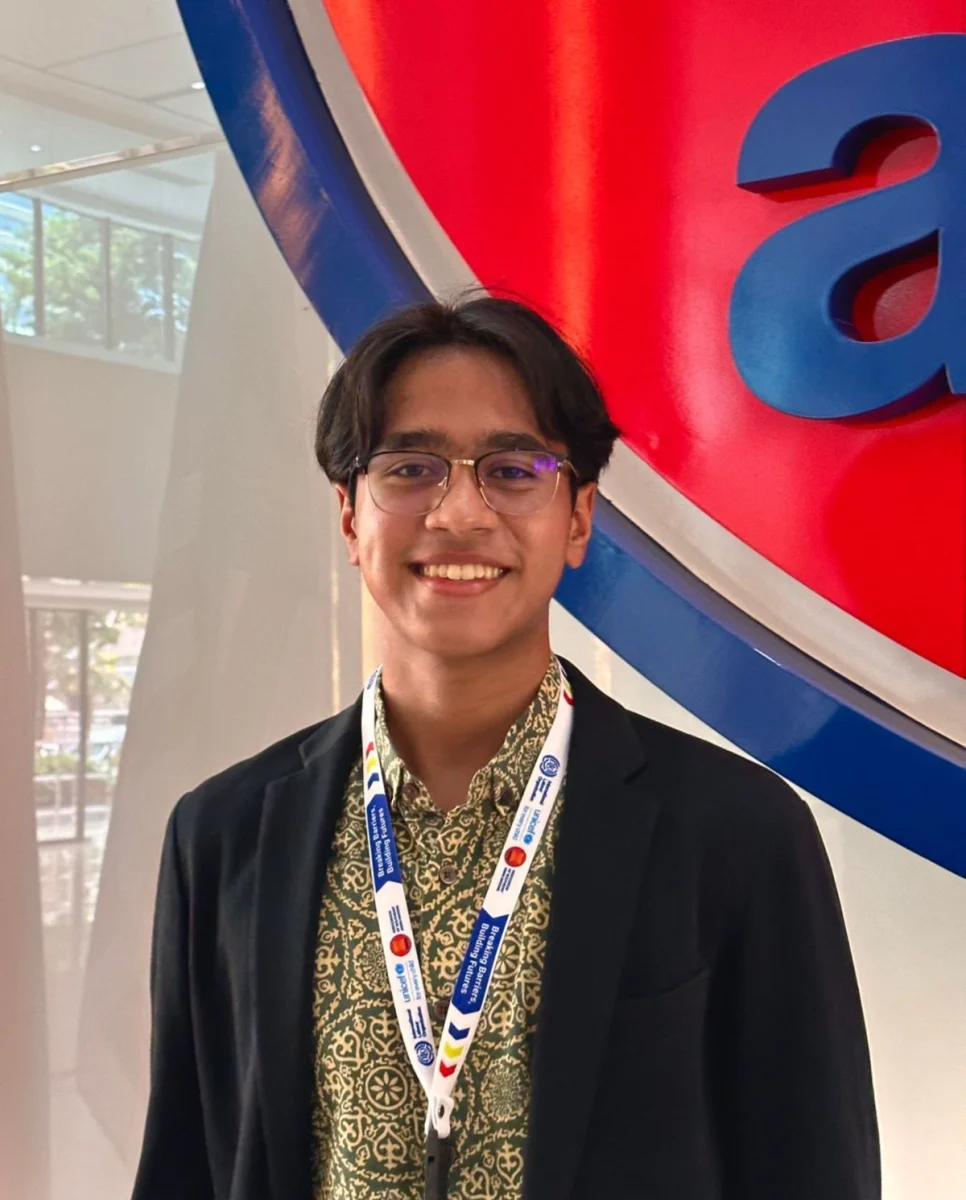
Where Han tackles environmental rights, Ariff Amir Ali, 19, focuses on something equally important: understanding. As Yufe director of advocacy, he works to translate complex climate policies so young people can understand how global decisions affect their daily lives.
“Our role is to simplify what happens at the policy level so Malaysians know what decisions affect them. When we break down issues, people start to understand that they can make a difference,” he said.
Ariff’s interest in climate issues began long before he joined Yufe. Growing up with asthma, he became aware of how haze and open burning directly affected his health. That lived experience shaped his understanding of climate issues as something not abstract, but deeply personal.
As a 19-year-old leading advocacy work, he has confronted another challenge young activists often face.
“Once people find out your age, they stop taking you seriously,” he said.
He noted that youth are often invited to events for visibility rather than influence, and that overcoming tokenism requires consistent engagement and credibility.
Despite these challenges, Ariff believes collaboration between generations is essential.
“Older and younger Malaysians should not work in silos. We need to collaborate across generations to build a sustainable country,” he said.
Social media, he added, remains one of the strongest tools when used responsibly.
“Social media is our bread and butter, but every post should lead to real action, whether it is signing petitions, volunteering or talking to your MP,” he added.
His work continues to bridge global processes and local understanding, showing that policy education is one of the strongest tools in building an informed and active youth movement.
Turning awareness into action
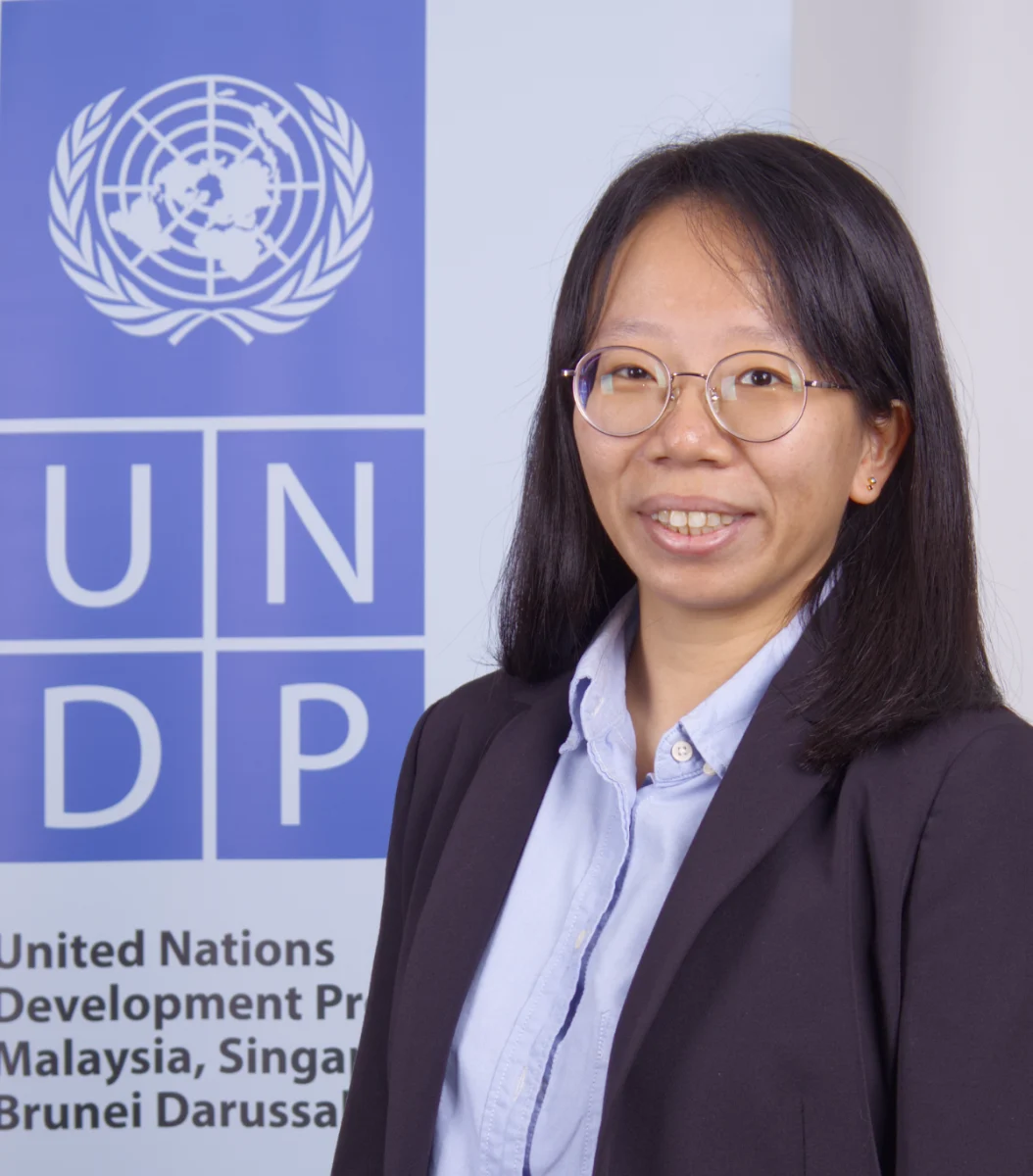
At the Youth Environment Living Labs (Yell), Tan Cheng Cheng focuses on empowering young Malaysians to take their first steps into environmental work. As project manager under the United Nation Development Project Malaysia, she helps youth transform interest into real projects through seed grants, training and practical support.
“Young people often think they need to do something huge to make an impact, but small actions matter too,” she said.
Her team builds programmes that help young Malaysians discover that sustainability begins with daily habits at home, then grows outward into communities.
Tan believes environmental education must be grounded in lived experience. She emphasises that Malaysian youth need to see how climate and biodiversity shape their immediate environment, from food security to health to the effects of extreme weather.
Her work in Yell’s internship programme and youth-led initiatives ensures that young Malaysians not only learn, but also gain the confidence to lead.
To her, youth leadership is not about perfection, but progression. The goal is to make environmental work accessible, sustainable and rooted in real community relationships.
Growing movement
Together, Han, Ariff and Tan represent three distinct but connected forms of environmental leadership. One fights for environmental rights, one breaks down policy barriers and one creates pathways for young people to take action.
Their work shows that Malaysia’s environmental future is not waiting for the next generation. The next generation is already here, shaping it themselves.



