




Aidil Iman Aidid leads rise of youth in Malaysia’s biodiversity activism
When people talk about Malaysian youth and climate, the conversation often circles around protests, forums or policy statements. But for Aidil Iman Aidid, 26, environmental action begins somewhere more grounded.
It starts with Malaysians actually seeing the natural world they live in. The 19–30 age group is online, vocal and informed, but many of them have never stood inside a mangrove forest or watched local wildlife up close. Aidil wants to change that.
Aidil is currently a member of WWF-Malaysia, but he makes it clear he speaks here in his personal capacity. Outside of work, he has built a reputation as one of the most active youth voices on climate and biodiversity issues, with more than 27,800 followers on X (formerly Twitter). His posts on conservation, especially those about wildlife, forest loss and environmental policy, often go viral because they are direct, local and relatable.
For him, the problem is not that youth do not care. It is that they care about the crises they can see, and overlook the ones they cannot.
“Climate change is the issue young people connect with the most, but biodiversity loss is another crisis that deserves just as much attention,” he said.
He believes the gap between the two issues is shrinking, but not fast enough. Most young Malaysians first learn about climate change through school or social media. Heatwaves, haze and floods feel urgent, so they gain traction. Biodiversity loss feels slower and quieter, although the consequences are just as severe.
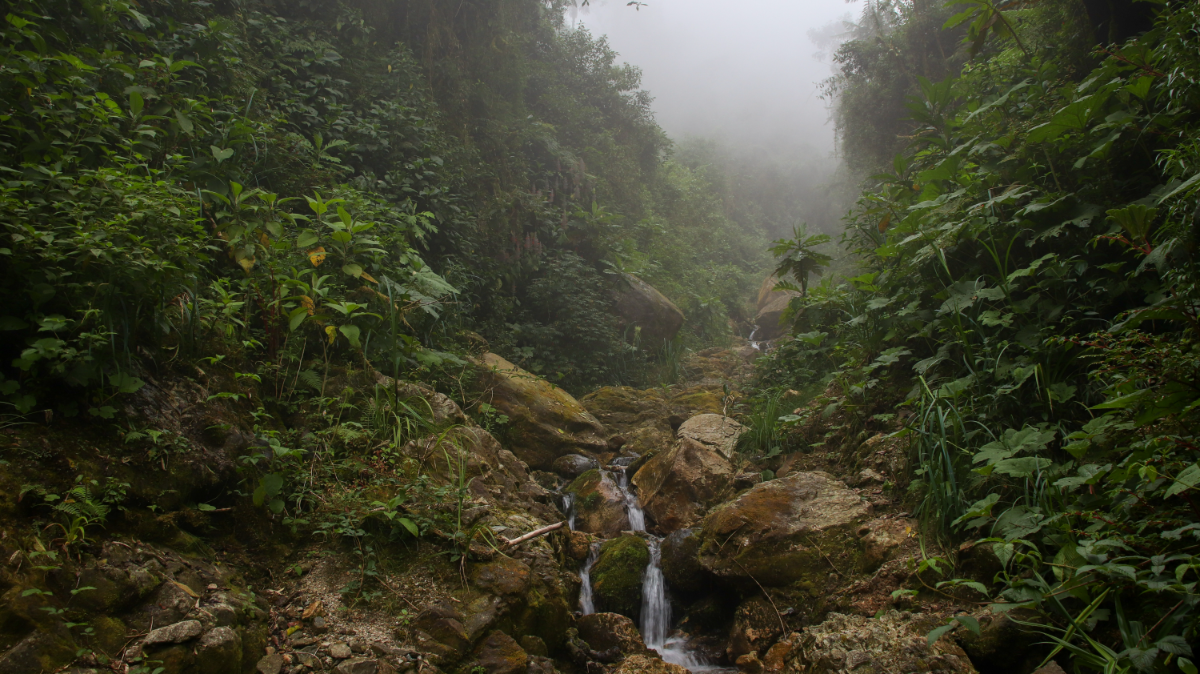
“Youth activism in Malaysia is strong when it comes to climate change, but we need to give the same energy to biodiversity loss. I have seen growing participation in conservation work, which gives me hope,” he said.
To bridge that gap, Aidil leads Jejak Liar, a youth programme that takes urban Malaysians into the field for hands-on conservation work. Many participants come from Klang Valley. Most have seen nature through photos, not real encounters. The programme intentionally brings them into forests, rivers and wetlands so they can see the complexity of these ecosystems for themselves.
“We take young people from cities like Klang Valley and bring them to biodiversity sites. When they observe birds or learn to identify species themselves, they finally understand how fragile these ecosystems are and why they are worth protecting,” he said.
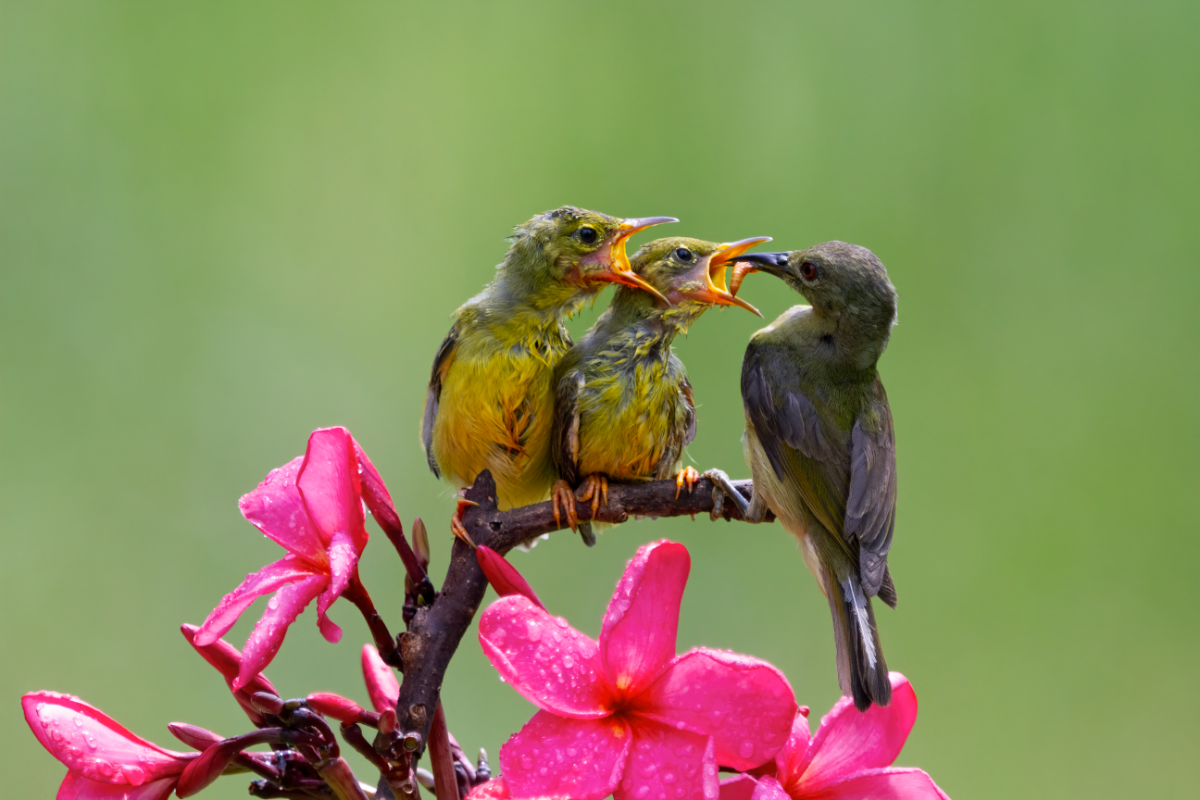
Aidil has seen the impact of these trips up close. Students who previously only cared about climate news online suddenly pay attention to local species, forest corridors and water quality. Office workers who joined as volunteers return asking how they can support community conservation groups. A single moment of spotting wildlife in the field becomes more powerful than a hundred news articles.
Aidil believes Malaysians cannot protect what they do not experience. A mangrove boardwalk at low tide. A river that turns milky after rain. A trail where cicadas pulse in waves. These are not things a young person can learn about only in classrooms or infographics.
Aidil’s approach is simple. Bring people outside. Let them see what is at risk. Let that experience shape how they speak, vote, organise and act.
Exposure leads to empathy, which leads to change. For Aidil, that is how Malaysia builds a generation that fights for nature not out of fear, but out of understanding.



