




THE different fabrics from throughout the world are one thing that everyone finds intriguing. Bold and fascinating textiles come in a wide variety, and they all have intricate designs and brilliant colours that are just as intriguing. Every culture has traditionally placed textiles at the centre of its sense of self, with each nation having its own distinctive fabric that reflects its identity.
One could hesitate to refer to it as just ‘cloth’ given the intention and laborious work that went into the design, colour schemes, and pattern selections. They serve as a showcase of culture and a means of transmitting history. Nevertheless, the industry faces many challenges. These days, local craftspeople face competition from mass-produced fabrics, and fight to survive in a volatile economy. The availability of raw resources is hampered by global warming. The next generation of craftsmen are taking up higher paid employment to meet their needs.
Authentic fabrics might take weeks to make, and there is just not enough revenue flow between sales. Some of the most talented weavers are frequently compelled to use simpler patterns in order to sell to visitors searching for low-cost gifts. However, there is a growing movement aroung the world to revive interest in regional crafts. Many young people are also open to learning more about handmade crafts.
Here are five countries that produce some really beautiful and unique textiles.
Indonesia
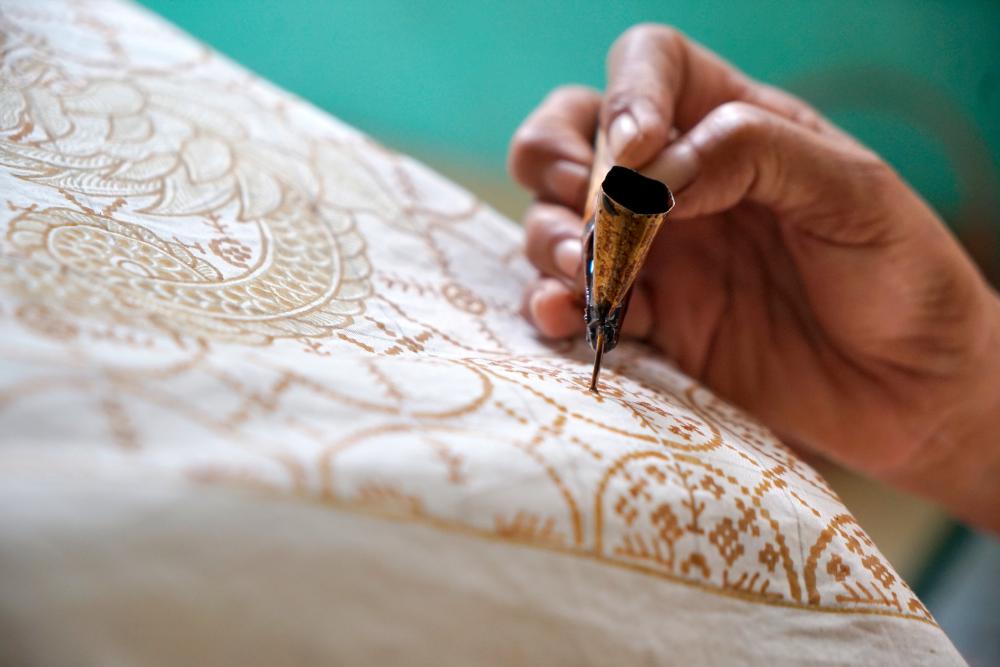
Traditional fabrics from Indonesia come in a lot of varieties. The fact that Indonesia is an island of hundreds of islands is one factor contributing to the wide variation. Batik and ikat are the traditional items to bring home. Although they were developed in Java, these wax-resistant dyeing techniques are used all throughout the islands. On fine cotton cloth (batik) or straight on the threads that will be woven, liquid is painted in a variety of designs (ikat).
The wax-blocked patterns block the dye when they are soaked in layers of multicoloured dyes, resulting in a cloth with gorgeous patterns, pictures, and symbolic motifs. Although the finished fabric can also be coloured, the ikat textiles’ patterns are made by colouring the threads. Decorative tenum ikat designs often appear on ceremonial garments and feature cosmological and everyday symbolism.



