




Table of Contents
Malaysian horror has no shortage of stories about spirits and curses but Khadam sets itself apart by treating its supernatural premise as a family tragedy rather than simply a vehicle for scares.
Rooted in the local belief of the saka, the film explores the emotional burden of inheriting something that no one truly wants, weaving together horror, folklore and motherhood into one haunting experience.
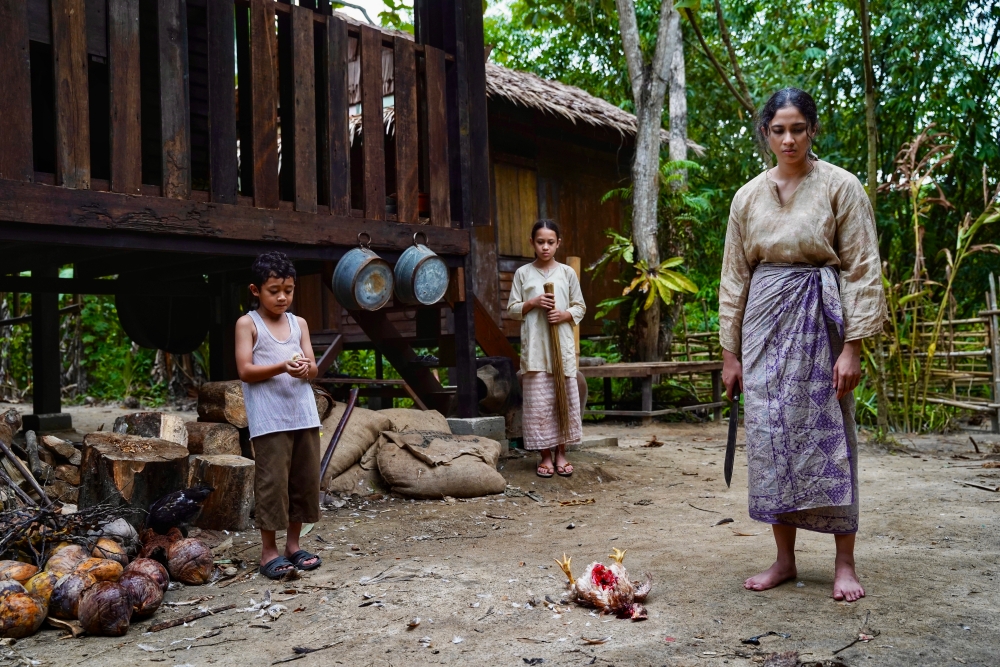
Set in the jungles of rural Malaysia during the 1950s, the story follows Melor, a mute woman raising her two young children, Puteh and Hitam, while carrying a terrifying inheritance.
After her mother’s death, Melor becomes the next keeper of the family’s saka, forcing her to decide whether to continue the cycle or risk everything to end it.
Her husband Awang, a fisherman played by Remy Ishak, spends much of his time away at sea, leaving Melor to shoulder the responsibility of caring for their children alone.
Although Awang returns home showing affection towards his family, the film subtly reveals cracks beneath the surface.
A scar across Melor’s throat hints at an earlier act of domestic violence after a previous altercation, leaving audiences to piece together that Awang may be responsible for her inability to speak.
Rather than spelling everything out, Khadam trusts viewers to read between the lines. That restraint makes the emotional conflict just as compelling as the supernatural one.
Horror that hides more than it shows
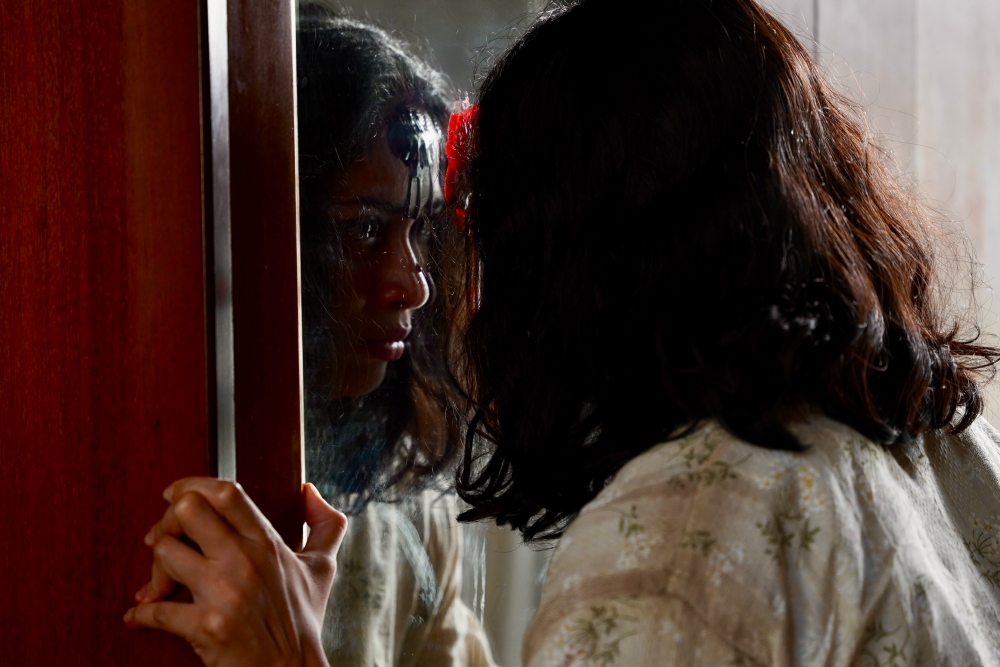
Once the saka begins making its presence known, the film settles into a relentless atmosphere of dread.
Director Shamyl Othman wisely avoids revealing too much of the entity too early. Instead, audiences catch fleeting glimpses of a lurking figure hidden within darkness, doorways and dense jungle, allowing imagination to do much of the frightening work.
The scares rely heavily on tension instead of excessive jump scares as many of the film’s strongest moments come from prolonged silence, unsettling sound design and carefully framed shots that leave viewers scanning every corner of the screen.
One particularly effective creative decision is the extensive use of sign language throughout the film.
Because Melor communicates silently, many tense sequences unfold without dialogue, forcing audiences to pay close attention to her movements and expressions.
During several dimly lit scenes, the absence of spoken words heightens the sense of isolation and vulnerability, creating a unique form of suspense rarely seen in local horror films.
It is a simple storytelling choice that ends up becoming one of the film’s greatest strengths.
Although Khadam relies heavily on atmosphere, it also delivers several unexpectedly gory slasher sequences.
The violence is far more graphic than most local horror films but because it is used sparingly, each scene lands with genuine shock rather than feeling excessive. The sudden bursts of brutality provide an effective contrast to the film’s otherwise restrained approach to horror.
Aghniny Haque carries the emotional weight
Much of Khadam’s success rests on Aghniny Haque’s shoulders and she delivers one of the strongest performances in a Malaysian horror film this year.
Without relying on spoken dialogue, she conveys fear, exhaustion, determination and unconditional love through subtle facial expressions and body language.
Melor is far from a perfect protagonist. She is flawed, conflicted and burdened by impossible choices, making her feel like a real person instead of a conventional horror heroine.
Her chemistry with the child actors portraying Puteh and Hitam forms the emotional heart of the story. Their interactions feel genuine, making audiences understand exactly what Melor stands to lose.
Remy also delivers a layered performance as Awang. While his screen time is relatively limited, he portrays a man caught between moments of tenderness and a darker, more volatile side, adding complexity to a character who could have easily been written as one-dimensional.
Slow burn with uneven pacing

Although the story itself unfolds patiently, the film’s passage of time occasionally feels disjointed.
Several scenes transition abruptly between day and night, making it seem as though entire portions of the story have been skipped.
These sudden shifts can momentarily pull audiences out of the experience, particularly during the first half when the narrative is still establishing its rhythm.
Ironically, despite these rapid transitions, the overall plot progresses quite slowly. Khadam takes its time revealing the mythology surrounding the saka, which allows suspense to build naturally but may test the patience of viewers expecting constant scares.
Fortunately, the deliberate pacing pays off during the final act, where the emotional stakes become far more significant than the horror itself.
Ending driven by sacrifice
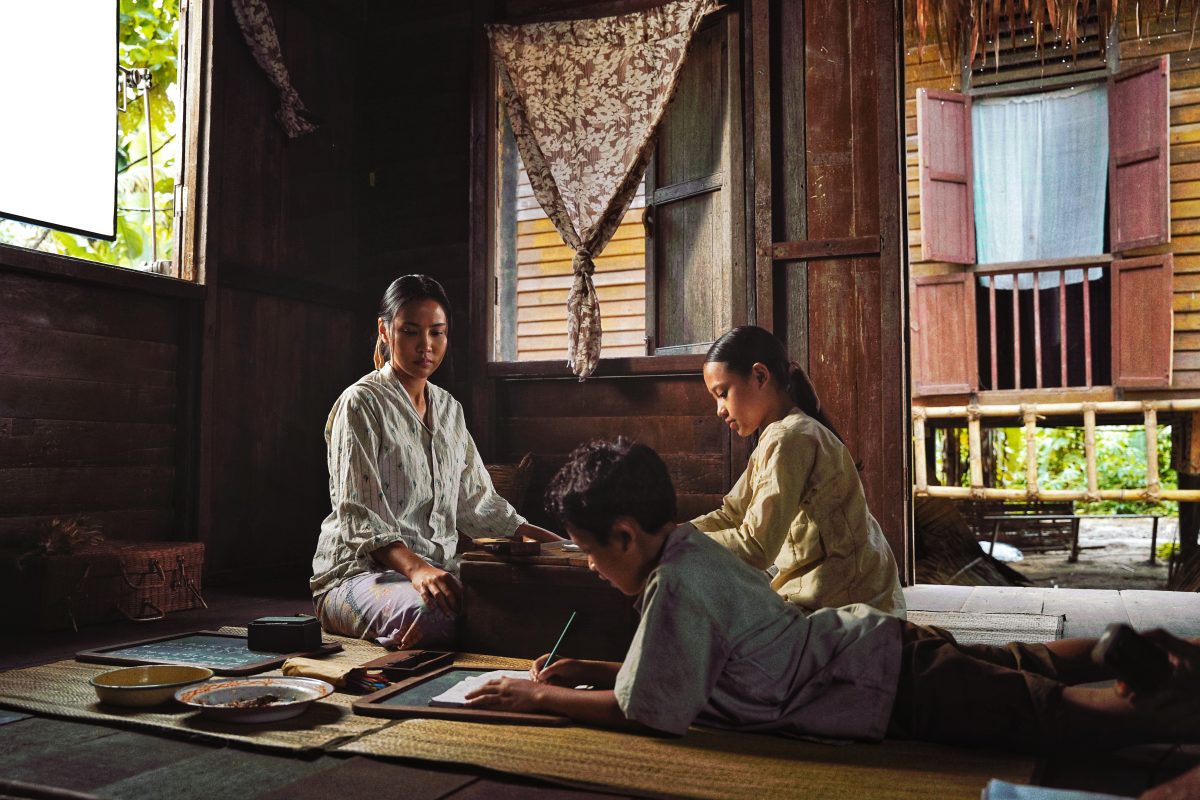
Rather than concluding with a conventional battle between good and evil, Khadam chooses a far more emotional resolution.
Melor’s final decision to separate herself from Puteh and Hitam in order to free them from the family’s inherited curse delivers one of the film’s most heartbreaking moments.
It transforms what initially appears to be a supernatural horror story into something much more personal about sacrifice, motherhood and breaking generational cycles.
Instead of relying on spectacle, the ending leaves audiences reflecting on the cost of love and the difficult choices parents make to protect their children. It is this emotional payoff that lingers long after the credits roll.
Verdict
Khadam succeeds because it never loses sight of the human story beneath its supernatural premise. The saka may be the source of fear but it is Melor’s struggle as a mother that gives the film its lasting impact.
Supported by confident direction, unsettling visuals and an exceptional lead performance from Aghniny, the film delivers effective scares and genuine emotional resonance.
While its uneven sense of time occasionally disrupts the narrative flow, it is a minor flaw in an otherwise compelling horror experience.
By blending Malaysian folklore with themes of family, trauma and sacrifice, Khadam proves the country’s most powerful horror stories do not need elaborate monsters or excessive gore.
Sometimes, the scariest thing is the legacy we inherit and the price we pay to leave it behind.
Director: Shamyl Othman
Cast: Aghniny Haque, Remy Ishak, Siti Khadijah Halim, Zarra Zaff, Karl El
Plot: 8/10
Acting: 9/10
E-value: 9/10
READ MORE:
Veteran voices of Malaysian cinema
Exclusive: Baga, Ariff Zulkarnain’s love letter for Terengganu
The Sheep Detectives review: Truly wooly whodunit



