



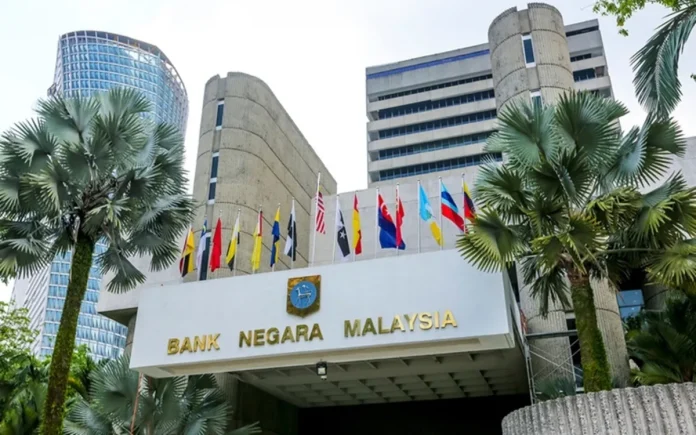
PETALING JAYA: The Monetary Policy Committee (MPC) of Bank Negara Malaysia (BNM) today decided to maintain the Overnight Policy Rate (OPR) at 2.75%.
The MPC considers the monetary policy stance, with the OPR at the current level, to be appropriate and supportive of the economy amid price stability.
In a statement, BNM said it will continue to monitor ongoing developments and assess the balance of risks surrounding the outlook for domestic growth and inflation.
For the Malaysian economy, it said, the growth for 2025 is expected to be around the upper end of the forecast range.
“This growth momentum is expected to continue in 2026, supported by resilient domestic demand. Employment, wage growth and income-related policy measures will remain supportive of household spending. Investment activity will be driven by the progress of multi-year projects in both the private and public sectors, implementation of new smaller-scale public projects, continued high realisation of approved investments, as well as the ongoing implementation of national master plans,” said the central bank.
It said the external sector will benefit from continued strength in electrical and electronic exports and higher tourist spending.
The growth outlook remains subject to uncertainties, in particular surrounding global developments, BNM said, adding that downside risks remain from slower global trade and lower than-expected commodity production.
Meanwhile, upside potential to growth could arise from a better global growth outlook, stronger demand for E&E goods, and more robust tourism activity.
Headline and core inflation averaged 1.4% and 2%, respectively, in 2025.
For 2026, BNM said, headline inflation is expected to remain moderate amid the continued easing in global cost conditions. Global commodity prices are expected to remain modest, contributing to contained domestic cost conditions.
Meanwhile, core inflation in 2026 is expected to remain stable and close to its long-term average, reflecting continued expansion in economic activity and the absence of excessive demand pressures.
BNM said global growth for 2025 turned out higher than expected, mainly reflecting lower-than-anticipated tariffs, higher artificial intelligence (AI)-led tech spending and stronger fiscal support.
For 2026, while the impact of tariffs could weigh on global growth, the outlook remains resilient, supported by sustained domestic demand, moderating inflation, robust tech investments, and supportive fiscal and monetary policies.
Downside risks remain, arising from potentially higher tariffs, further escalation in geopolitical tensions and heightened volatility in global financial markets.
Additionally, there are continued concerns over the elevated valuations in financial markets. Upside potential includes stronger tech spending, a milder tariff impact on economic activity and pro-growth policies in major economies.



