




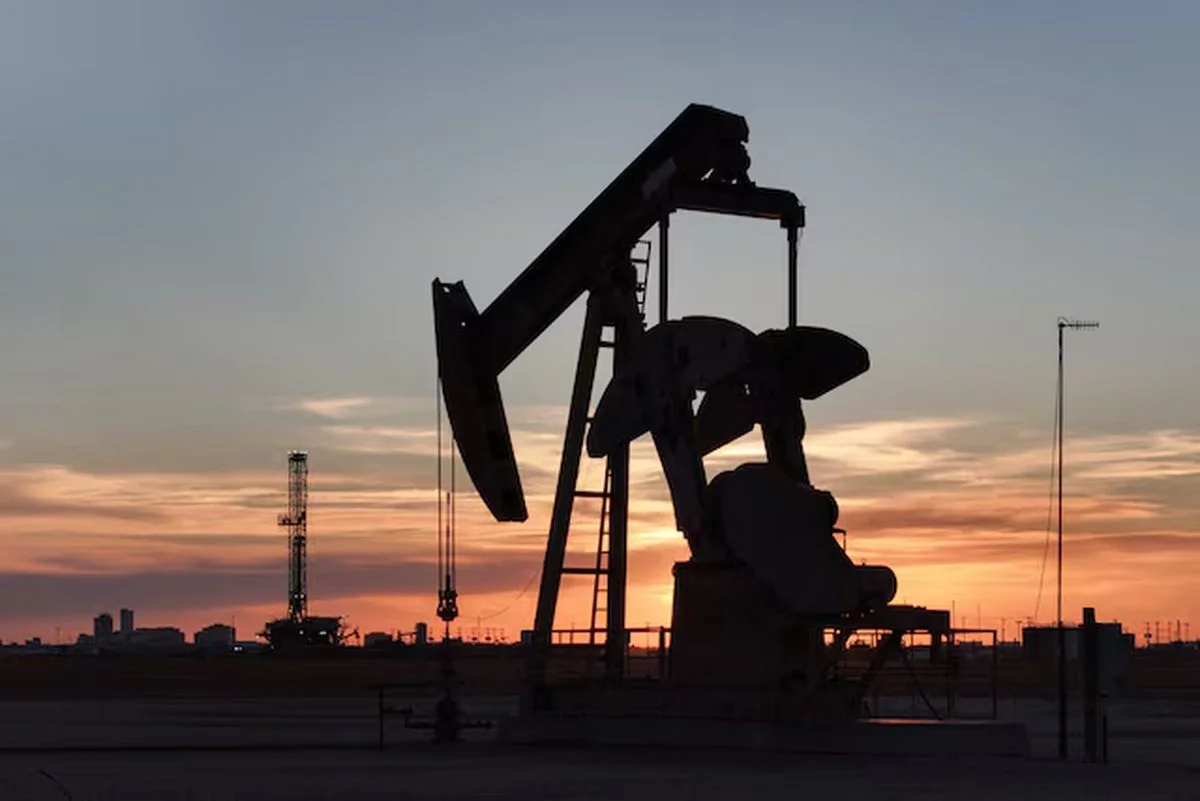
Economists warn the RM1.99 petrol cap may be unsustainable if crude prices climb further, with tiered subsidies or income-based targeting proposed as solutions.
PETALING JAYA: Malaysia’s fuel subsidy is under strain, with oil prices surging amid Middle East tensions and economists saying the RM1.99 petrol cap may not hold if crude oil price climbs further.
Brent crude has moved into the US$80–US$90 per barrel range as geopolitical risk intensifies in the Gulf, raising the prospect of a sharply higher subsidy bill should the conflict involving Iran drag on.
For millions of motorists who rely on the subsidised RON95 price for daily commutes, school runs and small businesses, the question is no longer whether global oil markets are volatile, but how long Putrajaya could continue absorbing the shock.
Economist Dr Geoffrey Williams said he expects the current spike to be short-term, with prices moderating once tensions ease.
“I see Brent crude at US$80–US$90 per barrel this week, and it has already started close to the bottom of that range today.”
He added that domestic pump prices are not based on daily spot movements but on contracts set ahead of time, meaning immediate pass-through effects are limited. He also said for now, the government could afford to maintain subsidies.
However, he recommended introducing tiered pricing based on consumption if the conflict is prolonged and oil prices remain elevated, Under this model, full subsidies would apply to the first 50 litres, partial subsidies for the next 50 litres and no subsidy beyond 100 litres.
Williams estimated that 98% of petrol buyers would still receive some support under such a structure.
If consumption-based targeting proves difficult, he suggested reducing subsidies for the top 15% income group (T15) by 50%, using MyKad, Padu and LHDN databases to identify eligible households.
“In that scenario, the T15 would pay RM2.26 per litre while others continue paying RM1.99,” he said, adding that he does not recommend broader fiscal adjustments.
Meanwhile, economist Doris Liew, who specialises in Southeast Asian development, said the fiscal strain rises steeply as crude prices climb beyond the government’s assumed budget of US$60–US$70 per barrel.
She said assuming annual RON95 consumption of roughly 18 billion litres, the subsidy burden increases significantly as Brent strengthens.
“At US$80, the implied additional subsidy burden is still manageable and could likely be absorbed with limited adjustment, although it would reduce fiscal space.
“At US$100, the subsidy bill expands sharply, plausibly into the high-teens billions, pushing the deficit meaningfully above the 3.5% target unless offset by tighter targeting or other fiscal measures.”
She added that at US$120, the additional annual subsidy cost could exceed RM25–RM30 billion, making a broad RM1.99 cap difficult to sustain without revision, narrowing eligibility or cutting spending elsewhere.
Liew said while Malaysia benefits from upstream export revenues, including Petronas-linked crude earnings, the country also imports refined petrol and diesel.
“With pump prices capped, global price increases translate directly into higher government expenditure.”
She emphasised that duration is the key variable, adding that a short-lived conflict would have limited fiscal impact, as subsidy accounting adjusts gradually.
However, she said a prolonged period with Brent above US$100 for several quarters would materially alter fiscal projections.
The government has previously signalled its intention to rationalise fuel subsidies and improve targeting through the Padu database.
On March 1, Prime Minister Datuk Seri Anwar Ibrahim said the government would try to maintain the price of RON95 petrol at RM1.99 per litre under the BUDI95 programme despite uncertainty in global markets caused by the Middle East conflict.
He acknowledged that while efforts would be made to hold prices, the government cannot guarantee there would be no increases.



