




Milestones in advocacy, pageantry exemplify potential of women
PETALING JAYA: From a rubber estate in Negeri Sembilan to the red carpet at the Cannes Film Festival, Dr Nisha Thayananthan has carved an unlikely path that bridges medicine, advocacy and cultural pride.
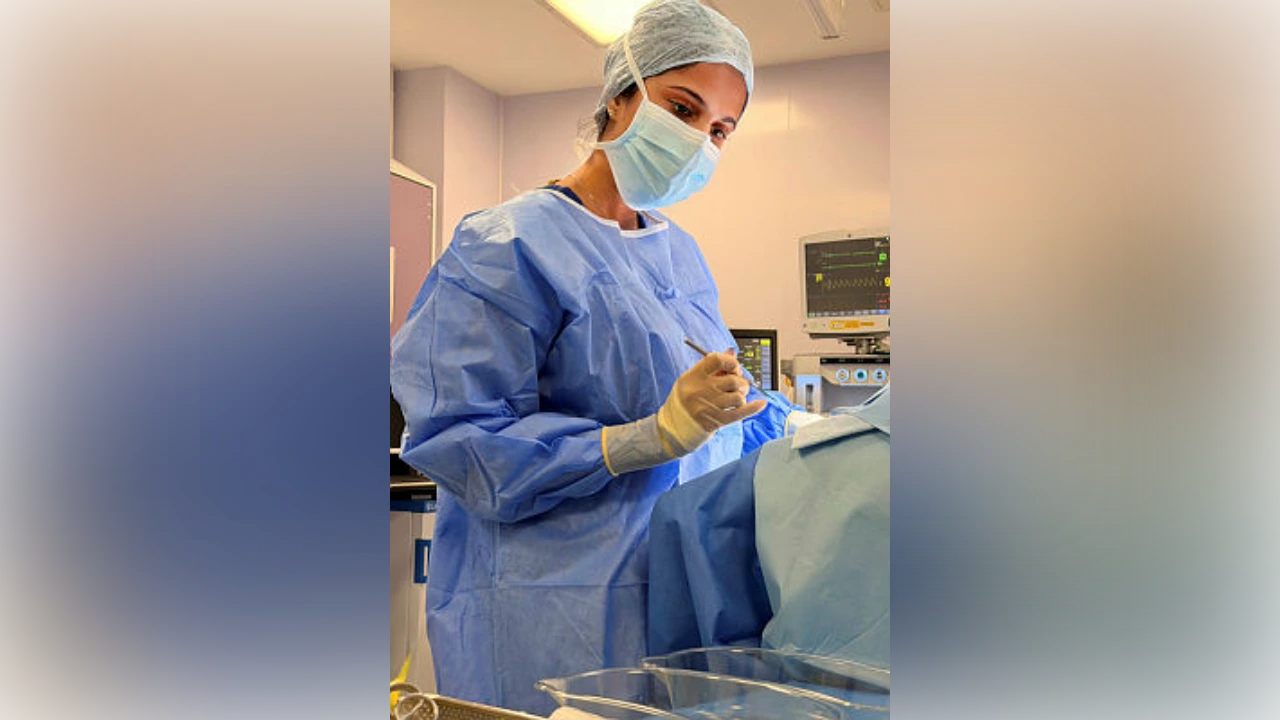
Now based in London and training as a plastic surgery resident with the United Kingdom National Health Service, Nisha’s journey began far from global spotlights, in a small rubber estate community in Seremban.
In conjunction with International Women’s Day, observed yesterday, her story highlights how determination, education and purpose can propel women from humble beginnings to global platforms.
Her rise from a modest estate school to international heights reflects a story of perseverance and ambition, proving that opportunity can emerge even from the most unlikely places.
Global attention followed her appearance at the Cannes Film Festival last year, where she walked the red carpet in a striking black-and-gold Melanau songket gown.
“The fabric carried generations of (pride). Wearing it abroad was my way of saying Malaysian heritage belongs on that carpet without apology,” she told theSun.
The gown, inspired by the Jerunai of Sarawak and adorned with 999 Swarovski crystals representing the highest Melanau rank, later entered the Malaysian Book of Records as the first songket to appear at Cannes.
Nisha attended primary school at Sekolah Jenis Kebangsaan (Tamil) Ladang Linsum, located within the rubber estate where her grandparents worked.
“My grandparents were tappers and we lived there. That was how I started,” she said, adding that her grandfather remains her greatest inspiration.
A straight-A student, she later secured a scholarship from the Public Service Department and pursued medicine at Universiti Malaysia Sarawak. She subsequently obtained a Membership of the Royal College of Surgeons from the Royal College of Surgeons of Edinburgh.
“Pageantry trained me to speak under lights and medicine taught me to listen under pressure.
“I used the crown to talk about period poverty and surgical access – same aim, different microphone. I feel glad that I’m able to do both.”
At 20, Nisha launched the EcoPAD project after witnessing girls in rural Malaysia unable to afford sanitary products.
“That really hit me hard,” she said.
The initiative produces biodegradable sanitary pads while also providing menstrual health education, reaching girls in several countries, including parts of Africa, the Philippines and Indonesia.
She added that balancing medicine, advocacy and public life has never intimidated her.
“I’ve always had the ability to balance things since (I was) young. I know how to segregate my time, although it can be (a rush) sometimes. I schedule everything in advance and I’m efficient. People limit themselves with doubt. I don’t doubt myself.”
However, moments of self-doubt did arise, particularly when critics suggested her activism distracted from her medical career.
She said her confidence stems largely from her upbringing and her mother, who shaped her outlook on life.
“My mother made care look like work and work look like care.
“She runs an animal shelter housing 100 dogs, manages an old folks home and has adopted orphaned children.
“She is also my mentor and told me: ‘Excellence is non-negotiable, but you don’t owe anyone smallness’. These lessons have shaped how I approach medicine, advocacy and life.”
Nisha is equally candid about what defines a strong woman today.
“Precision, stamina, mercy and the willingness to say: ‘I don’t know’ and then find out.
“Being efficient and believing in yourself matters most.”
Reflecting on Malaysian women, she said their ability to move across different worlds is one of their greatest strengths.
“We code-switch without losing syntax. We bargain at markets and negotiate in theatres – that’s an example of me as a Malaysian doctor.
“We carry laksa and a scalpel with the same interest.
“We make room and remember names. We are kind and make others feel at home when they are our friends. I’ve always been called a multitasker, and just because I’m an Asian woman, I’ll take that as a compliment.”
Her advice to young women, particularly those pursuing science or medicine, is simple.
“Start before you feel ready. Envision yourself and get a mentor. You have strategy, not vanity, and measure (yourself) by your own markers.”
On International Women’s Day, Nisha has a message for women everywhere.
“Keep your head high and propel forward. Protect your dream, that’s the stepping stone.
“Build your circle, build your skill, build your rest. Then build for someone else.
“You decide who you become. Don’t let anyone dictate who you are or who you’ll be. Speak up if there’s injustice.”
She said her proudest moments are the ripple effects of her work.
“(One such moment was) the first time a girl from my hometown wrote to say she applied to medical college with a scholarship and then started her own pad workshop. That, and a clean flap note in surgery.”
Nisha’s journey shows how heritage, ambition and social responsibility can coexist, and inspire a generation of Malaysian women to chart their own path.



