




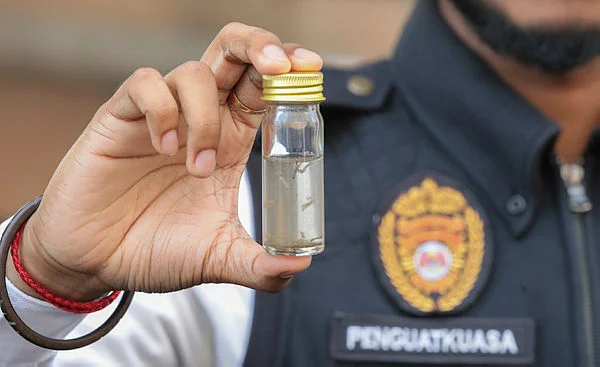
Dengue treatments remain severely underfunded compared to diseases like HIV, leaving nearly 400 million people at risk annually.
PETALING JAYA: Dengue infects nearly 400 million people worldwide each year, yet research into treatments remains severely underfunded, leaving millions at risk while high-profile diseases like HIV/AIDS, malaria and tuberculosis dominate global health investment, said DNDi.
It said the stark funding imbalance reflects how diseases are prioritised within the global health ecosystem, rather than the severity of the virus itself.
DNDi Southeast Asia regional director Vanessa Daniel told theSun that current pharmaceutical innovation models favour markets with strong purchasing power, leaving diseases that mainly affect low-income populations.
“DNDi’s work highlights that diseases become ‘neglected’ because the traditional pharmaceutical system prioritises markets with purchasing power, leaving diseases of low-income populations with too little R&D investment and few effective, accessible treatments. The disparity is particularly glaring when compared with other major global health priorities.
“According to WHO, neglected tropical diseases collectively receive only 15% (US$4.17 billion, roughly RM19.6 billion) of global R&D investment.
“While we do not have exact figures for dengue, this shows why a disease affecting approximately 390 million people annually remains low on the priority list.
“Even among neglected diseases, HIV/AIDS, malaria and tuberculosis received 65% of the total funding allocated.”
Analyses over the years have shown that research investment remains heavily concentrated on a small set of high-profile infectious diseases. A multi-pathogen study published by The Lancet Global Health in 2020 found that HIV/AIDS research received about US$42.1 billion (RM197.9 billion) in global funding between 2000 and 2017. In comparison, tuberculosis received US$7.0 billion (RM32.9 billion) and malaria US$5.6 billion (RM26.3 billion).
Daniel said DNDi is actively involved in the Dengue Alliance, a multi-country collaboration including Malaysia, Brazil, Thailand and India, focused on preventing progression to severe forms of dengue.
“The primary goal is to collaborate on developing treatments. This includes monoclonal antibodies and antiviral repurposing efforts.”
The two efforts are complementary strategies in modern medicine for managing infectious diseases.
Daniel added that research is ongoing with work on biomarkers, AI-guided drug discovery and pre-clinical studies.
DNDi has also recently signed a memorandum of understanding with the Serum Institute of India to advance a phase-three clinical trial of monoclonal antibodies in Malaysia, Thailand and Brazil.



