




Tighter vessel access, insurance pullbacks and fuel spikes risk lifting import prices and inflation: Shipowners association
PETALING JAYA: Malaysia is beginning to feel the strain from escalating tensions in the Strait of Hormuz, as shipping costs surge, insurance cover is pulled and vessel access tightens – raising the risk of higher prices at home.
Shipowners warn that war-risk insurance for vessels operating in the area has been cancelled, while bunker fuel costs have surged by as much as 140%, sharply increasing operating expenses.
Malaysia Shipowners Association (Masa) chairman Mohamed Safwan Othman said the fallout had moved beyond the maritime sector, given Malaysia’s heavy reliance on shipping for strategic cargo such as food imports, coal for energy and palm oil exports.
He warned the disruption could soon feed into higher freight charges and broader inflation.
“We are indeed very concerned about the statements made by the United States president regarding the Strait of Hormuz. Under international maritime conventions, any strait or waterway in the world is a free passageway.
“It cannot simply be blocked by any country and the countries helping to administer that strait are supposed to facilitate passage,” he told theSun.
Safwan said the situation had already escalated beyond rising costs, with some vessels now unable to secure insurance for Hormuz-linked routes.
“The effects are already being felt. Insurance is not merely increasing, it has actually been cancelled.
“What they call the war-risk premium – many insurance companies are no longer covering ships that want to berth in or pass through the Strait of Hormuz.”
He said fuel costs had also climbed sharply since tensions escalated.
“Since the tension began, fuel costs have also risen. Just the cost of fuel for ships has gone up by 140%.”
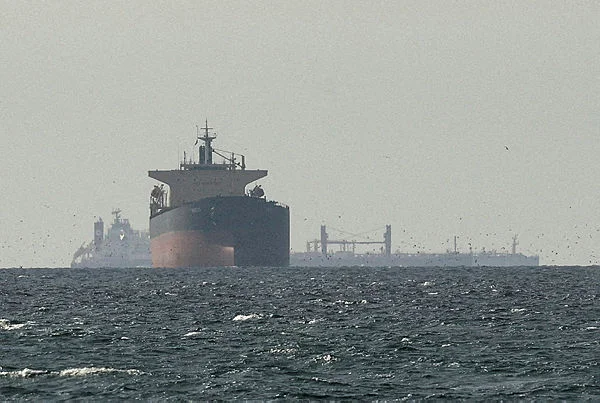
The Foreign Affairs Ministry earlier confirmed that one of seven Malaysia-linked vessels had safely transited the waterway, while six others remain in the area awaiting clearance.
Safwan warned that the bigger risk was not only rising costs, but whether enough vessels would remain available to carry essential cargo if the disruption drags on.
He said countries and shipowners would prioritise their own strategic needs in a prolonged crisis.
“One direct effect is a shortage of ships. As an importing country and a regional exporter, we need a large number of vessels to carry strategic cargo such as food. We also export palm oil, and for energy we import coal.”
He added that the impact was already spilling into land and air transport, pushing up costs across the board.
“We expect inflation to rise as food and other goods become more expensive in the near term.”
A United Nations Development Programme assessment released on Tuesday reinforced those concerns, warning that the latest Middle East escalation could cost the Asia-Pacific region between US$97 billion (RM383.3 billion) and US$299 billion (RM1.18 trillion) with up to 8.8 million people at risk of falling into poverty.
Safwan said discussions had been held with the government, including Prime Minister Datuk Seri Anwar Ibrahim, on possible security support for Malaysian cargo vessels.
However, he said such measures were not required at this stage, as Putrajaya continues to rely on diplomatic engagement.
“What we told the government is that our priority is, first, the safety of the seafarers on board. Second is our assets, meaning the ships, and third is the cargo we are carrying, because that cargo is critical to the continuity and needs of the Malaysian people.”
The latest uncertainty follows US President Donald Trump’s announcement of a naval blockade on ships entering and leaving Iranian ports after ceasefire talks with Tehran collapsed.
The blockade came into force on Monday, with the US military reporting that six merchant vessels had turned back within the first 24 hours.



