



CAP says Malaysia’s glyphosate approvals relied on a compromised study, citing health risks, GM contamination and calling for a nationwide ban
GEORGE TOWN: Regulatory approvals for glyphosate in Malaysia – an active ingredient in hundreds of herbicide products widely used on plantations and farms – were based on a flawed and compromised safety study, the Consumers’ Association of Penang (CAP) has claimed, as it calls on the government to ban the herbicide.
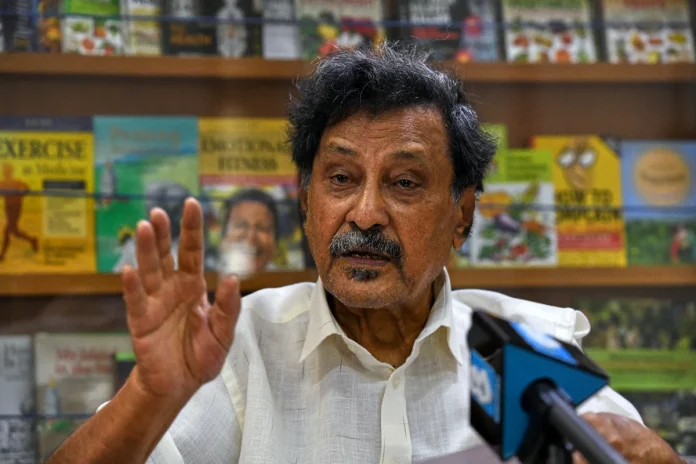
CAP president Mohideen Abdul Kader said regulators had relied on a paper later exposed as “fundamentally compromised and ghost-written by industry insiders”.
“The report was retracted in December last year, undermining the credibility of the approvals that were based on it.”
On Jan 14, CAP submitted a memorandum to the prime minister, the Agriculture and Food Security Ministry, the Natural Resources and Environmental Sustainability Ministry, the Department of Biosafety Malaysia and members of the Pesticides Board, urging a nationwide ban on glyphosate and glyphosate-based herbicides.
Mohideen claimed the study used to defend glyphosate’s safety was riddled with undisclosed conflicts of interest and selectively presented scientific data, including on carcinogenicity.
“Had the study’s ethical and scientific issues been identified earlier, glyphosate could have faced stricter regulations, or even an outright ban, much sooner.”
CAP emphasised that its concerns over the chemical were first raised in 2020, insisting that its latest call was not “new alarmism”.
The group cited numerous studies linking glyphosate exposure to a range of health risks, including probable cancer – particularly non-Hodgkin lymphoma, genotoxicity, endocrine disruption, oxidative stress, gut microbiome damage and liver and kidney toxicity.
CAP also highlighted Malaysia’s approval of more than 20 glyphosate-tolerant genetically modified (GM) foods for import and consumption, adding that herbicide residues could enter the national food supply.
Mohideen also said the International Agency for Research on Cancer classified glyphosate as a probable human carcinogen in 2015.
He cited a study by the Centre for Research of Innovation and Sustainable Development at the School of Engineering and Technology at the University of Technology Sarawak in Sibu, which found GM contamination in soybean products, with 57 out of 65 samples testing positive for the glyphosate-resistance gene.



