




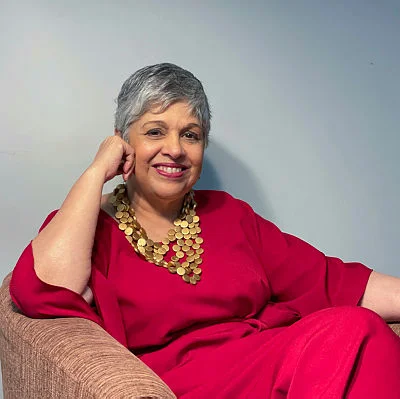
AI recruitment systems set to prioritise younger applicants overlook decades of expertise: Specialist
KUALA LUMPUR: Women aged over 50 are quietly disappearing from the workforce and this is happening long before their resumes ever reach a human eye, said veteran change agent Sheila Singam.
After four decades spanning education, journalism, corporate training and coaching, Sheila has witnessed workplaces evolve but one worrying trend stands out.
Increasingly, experienced women are being filtered out by automated recruitment systems powered by AI.
“Many of my friends aged in their 50s and 60s are applying for jobs and they are not even getting interviews.
“The moment age categories are entered into the system, they are filtered out before anyone even looks at their CVs.”
She said the problem lies not in technology itself but in how companies set the rules for these systems.
“AI is only as good as the parameters humans give it.
“If the algorithm is set to prioritise younger candidates, then experienced applicants are eliminated automatically.”
The consequences are more than just a technical glitch as decades of expertise, wisdom, professional networks and problem-solving skills are overlooked.
“Someone who has worked in an industry for 20 years brings insights that a 20-year-old simply cannot match yet.”
Ironically, older women may actually be a practical hire for employers.
Many are financially independent, have healthcare coverage and are open to flexible or project-based arrangements, yet stereotypes persist, she said.
“I think companies believe older women will demand higher pay or be costly medically. But many are perfectly willing to work under flexible arrangements or consultancy roles.”
Sheila shared how she has seen this firsthand.
“In one room, I had four women, all aged above 50, with incredible experience. All of them were freelancing because nobody wanted to hire them full-time.”
She said the situation highlighted a blind spot in workplace diversity conversations.
“Companies talk a lot about diversity, equity and inclusion. But age diversity is often ignored. And what is shocking is that many HR departments are led by women. So, why are women discriminating against other women?”
She also said as societies worldwide celebrated International Women’s Day on Sunday, the occasion should not only highlight the achievements of women, but also shine a light on the barriers older women still face in professional life.
“There is now another layer of gender bias: discrimination against women aged above 50. If we are serious about empowerment, we cannot ignore this.”
She added that rather than sidelining experienced candidates, companies should rethink employment models.
“Why not hire them on contract, consultancy or project-based roles? You still benefit from their expertise without the long-term commitments that worry employers.”
For Sheila, age brings qualities that money cannot buy, such as emotional intelligence, resilience and a steady hand in crisis.
“Experience teaches you how to manage people, handle crises and make better decisions. Those things cannot be learned overnight. There is so much talent being wasted,” she added.
“These women are not finished with their careers, far from it. If we truly want gender equality, we must also challenge ageism. Otherwise, empowerment stops at age 45.”



