




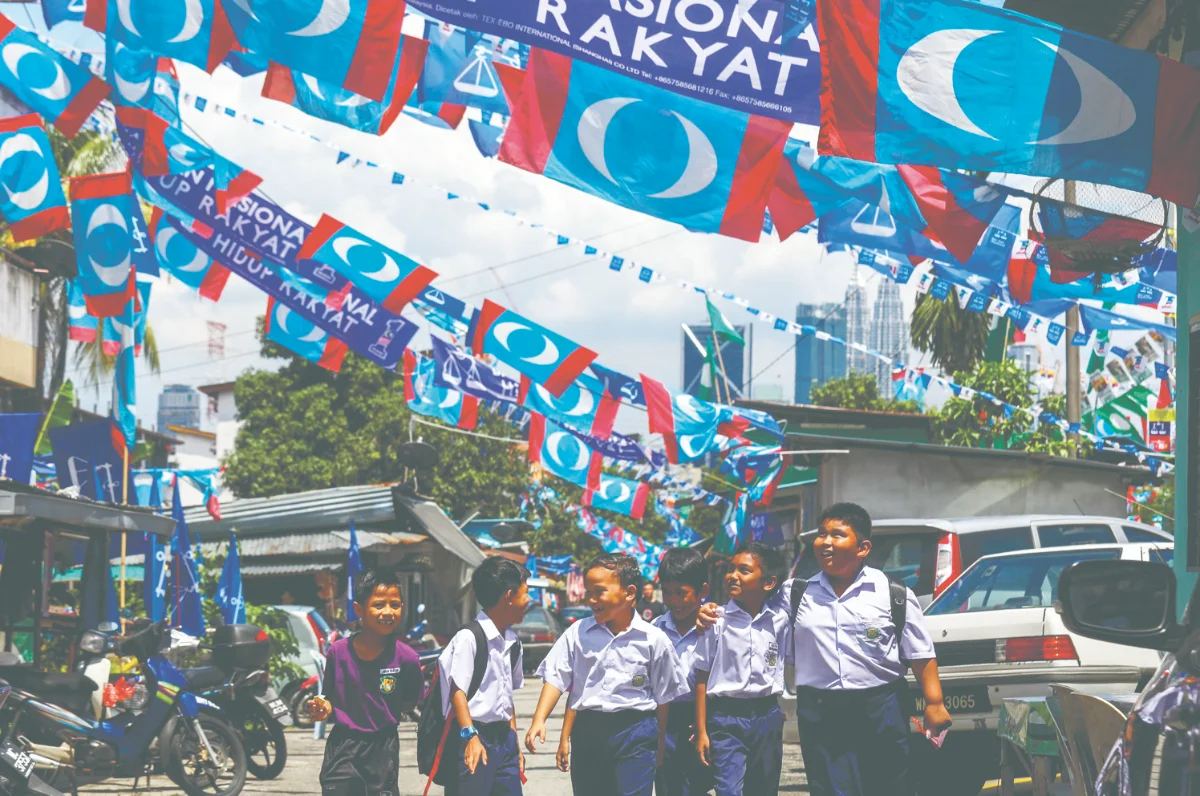
Analysts say postponing the general election may help, but without reforms and cost-of-living solutions, the government risks losing support.
PETALING JAYA: Political experts are increasingly backing a postponement of the next general election, although they say buying more time would count for little unless the government makes meaningful progress on reforms and economic management.
Islamic International University of Malaysia political analyst Prof Dr Syaza Shukri said holding off on dissolving Parliament may be the prudent choice under present circumstances, but stopped short of treating it as a guaranteed path to electoral success for Prime Minister Datuk Seri Anwar Ibrahim.
“I think delaying the general election is the best option for now. It is not the right time to go to the polls. But even if the election is pushed back, it does not mean it will be an easy win later,” she told theSun.
She added that any postponement must be matched by concrete progress on the reform agenda that has been central to Pakatan Harapan’s political identity, including resolving lingering institutional concerns such as those surrounding Malaysian Anti-Corruption Commission chief Tan Sri Azam Baki.
She also said while global geopolitical developments lie beyond Putrajaya’s control, the government must show credible effort to limit their domestic fallout, particularly on household costs. She said rather than chasing Perikatan Nasional voters, the priority should be consolidating existing support through consistent policy delivery.
“Fence-sitters and new voters are typically more influenced by bread-and-butter issues, which require time and policy consistency to address effectively.”
Universiti Malaya socio-political analyst Prof Datuk Dr Awang Azman Awang Pawi framed an election delay as a matter of national risk management rather than political opportunism.
He pointed to a confluence of external pressures – including tensions in the Middle East, disrupted global supply chains and volatile oil prices – as conditions that tend to turn elections into emotional reactions to the cost of living rather than sober assessments of governance.
“In such conditions, elections tend to become an emotional referendum on the cost of living rather than a rational assessment of policy. This puts the incumbent government at a disadvantage.”
On the domestic front, he said unresolved governance controversies, particularly those touching on institutional integrity, risk undermining the reform narrative that underpins Anwar’s political standing. He also flagged fuel pricing and subsidy rationalisation as especially sensitive terrain.
“Regardless of global factors, voters judge the government through pocketbook politics. Poor communication will almost certainly result in a protest vote.”
His prescription was clear: stabilise first, seek a fresh mandate later. He said this means transparent action on integrity matters, well-targeted subsidy restructuring and measurable progress in controlling food inflation and logistics costs.
He acknowledged that prolonged delay carries its own political risks, saying an extended wait could be read by voters as an attempt to avoid accountability, while simultaneously straining coalition cohesion and allowing the Opposition more time to sharpen its message.



