




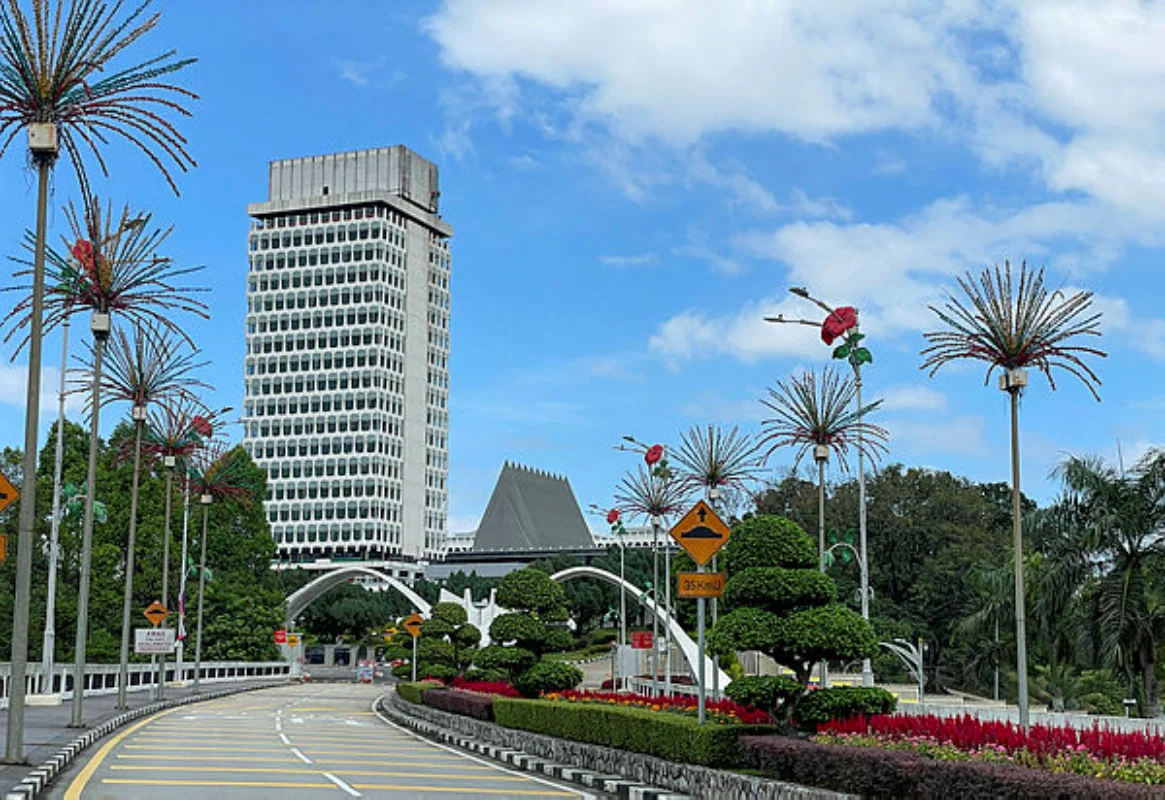
Malaysia’s Parliament regains autonomy with the Parliamentary Service Bill 2025, marking a historic step in institutional reform and democratic maturity.
KUALA LUMPUR: The MADANI Government has achieved a historic milestone in institutional reform with the restoration of the Parliamentary Service as an independent and autonomous entity.
This restoration marks a new era in strengthening the country’s parliamentary democracy.
The national legislative landscape evolved with the passage of the Parliamentary Service Bill 2025 and the Constitution (Amendment) Bill 2025 in March.
These bills open a new chapter towards empowering the Malaysian Parliament as the country’s principal legislative body.
ALSO READ: Government open to feedback on political funding bill
The Parliamentary Service is now vested with autonomous powers to determine its own policies and governance.
This enables Parliament to function as a truly independent and sovereign institution.
After 33 years, the Parliamentary Service Act has been reinstated, receiving the consent of His Majesty Sultan Ibrahim, King of Malaysia.
The law, first introduced in 1963 and repealed in 1992, allows the service to operate separately from the public service.
This separation ensures independence in its administration and management.
The legislation provides for the establishment of the Parliamentary Service Council as the highest oversight body.
Prime Minister Datuk Seri Anwar Ibrahim stressed the bill was not merely a technical amendment.
He said it reflected the maturity of the country’s democratic system.
The Constitution (Amendment) Bill 2025 supports this by amending several provisions, including Articles 56 and 57.
It introduces a new Clause 5A regarding the Speaker and Deputy Speaker.
The clause states that a person elected as Speaker or Deputy Speaker shall not be disqualified by being a member of the Parliamentary Service Council.
Minister Datuk Seri Azalina Othman Said said the amendments are the first step towards granting financial and administrative autonomy to Parliament.
She stressed the changes were not intended to benefit the executive or grant greater powers to the government.
Azalina said the goal was to provide genuine independence to Parliament.
The Prime Minister stated that four other key bills are undergoing stakeholder engagement.
These are the Ombudsman Bill, the Freedom of Information Bill, the Political Funding Bill and the bill on Separating the Roles of the Attorney General and Public Prosecutor.
They are expected to be tabled in Parliament next year.
Amendments to the Whistleblower Protection Act 2010 will also be tabled, including new protection and incentive provisions.
Parliament has introduced briefing sessions by chairmen of Parliamentary Special Select Committees to deliberate on current issues.
Dewan Rakyat Speaker Tan Sri Johari Abdul described the sessions as a reform initiative to enhance transparency and accountability.
With reforms gaining momentum, 2025 is etched as the year that restored the dignity of the parliamentary institution.
It reinforced the foundations of democracy and built renewed hope for the nation’s legislative system. – Bernama



