




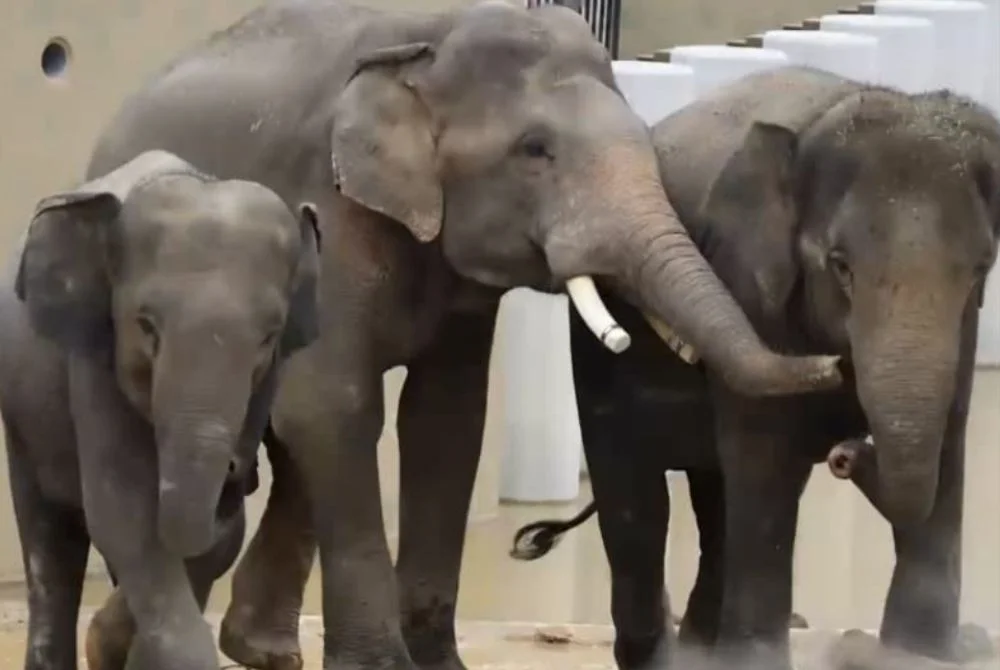
Expert evaluations needed first as immediate transfer from Japan could be stressful for animals, says official
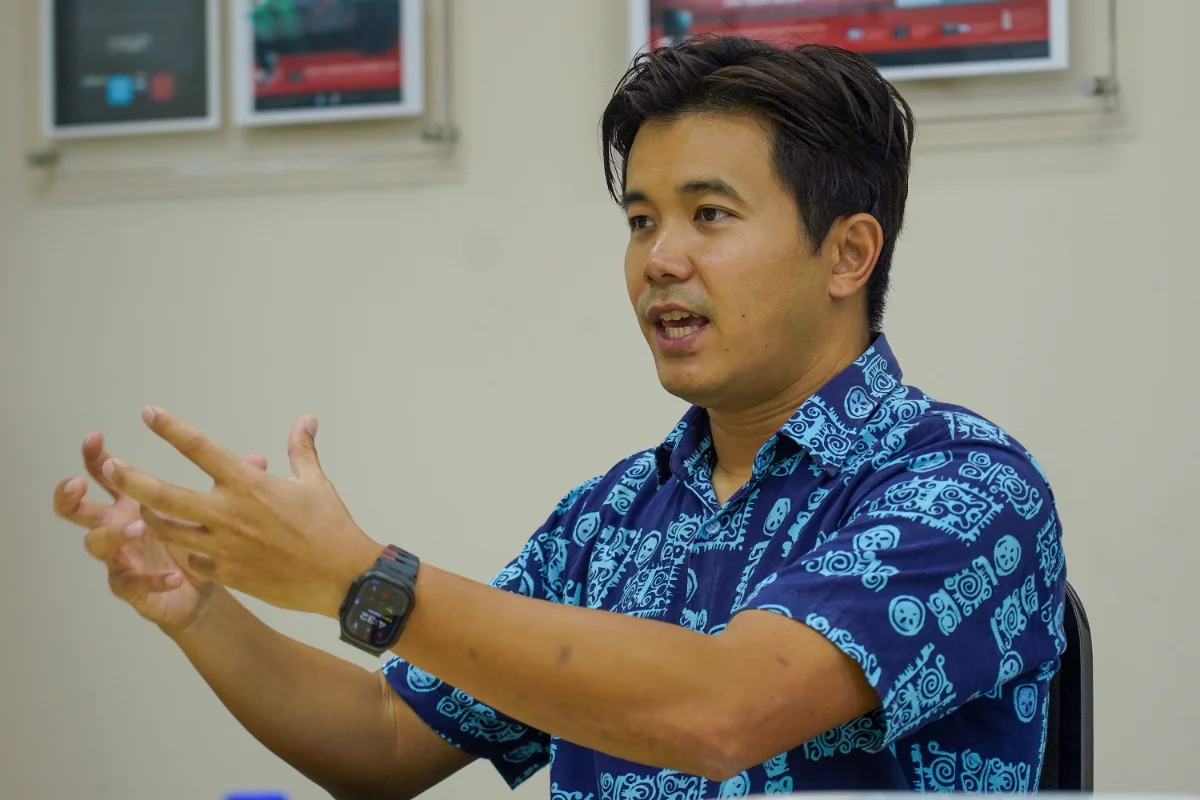
PETALING JAYA: Dara, Amoi and Kelat – the three Malaysian elephants collectively known as DAK – now at the centre of a growing public campaign, should have their future decided by independent scientific assessment rather than emotion or official assurances alone, said DAK Joint Solidarity Secretariat coordinator Neow Choo Seong.
The trio, currently housed at the Tennoji Zoo in Osaka, have become the focus of the #KembalikanDAK movement calling for their return to Malaysia. However, Neow said any decision on their return must be grounded in evidence-based welfare evaluations.
“The public reaction is understandable, everyone is using the hashtag KembalikanDAK because they want DAK brought home.
“But personally, this has to be science-based and evidence-based, not a call to bring them back immediately,” he told theSun.
The three elephants were sent from Taiping Zoo to Japan about two months ago under a 25-year agreement, following a complex relocation process involving sedation, transportation arrangements and significant adjustments to introduce them to a new environment.
The 25-year international cooperation agreement between the two zoos was finalised with the Taiping Municipal Council acting as representative for Taiping Zoo.
The arrangement, intended as a long-term transfer, has now come under increasing scrutiny amid concerns over animal welfare standards.
Neow cautioned that any immediate relocation could further stress the animals, stressing that their current condition must first be properly assessed by independent experts.
“We need experts, zoologists, biologists, experts in wildlife, elephants particularly, to do a proper assessment of their health, mental and behavioural conditions and tell us what should be done.
“The zoo has said there is a 25-year agreement. If they are unfit to live in such conditions, are we going to allow them to remain without proper review?”
The Taiping Municipal Council had on May 6 stated that Dara, Amoi and Kelat were in good health, had gained weight and would remain in Japan under the long-term agreement.
However, Neow said weight gain alone should not be taken as a full indicator of wellbeing, stressing that elephant welfare must also be measured through behaviour, mobility, stress levels and enclosure conditions.
He raised concerns over whether the elephants were being kept in an environment that meets their natural needs.
“They need green surroundings, they need temperatures similar to our own climate.
“Given their size, they should not be standing or walking on hard cement ground. They need natural soil. “Imagine three-tonne elephants living daily on concrete surfaces. How would that affect their feet over time?”
Neow said Malaysia should send an independent team of credible experts to Tennoji Zoo to carry out a full welfare audit, including both physical and psychological assessments.
He stressed that the evaluation should not rely solely on updates from the zoo or parties involved in the relocation agreement.
On May 9, Neow submitted a memorandum to a representative of the council at Dataran Zoo Taiping on behalf of the DAK Solidarity Secretariat Committee, calling for a national special task force, an independent assessment mission to Japan, full disclosure of the 25-year agreement, a review of wildlife transfer policies and a contingency plan to repatriate the elephants should welfare standards be found lacking.
He said the agreement between Taiping Zoo and Tennoji Zoo must be made public, adding that it involves national wildlife heritage and matters of public interest.
“We are not talking about any secret between two countries. This is an animal exchange agreement. Anything involving public entities or public interest should be transparent.”
Neow added that the issue should not be politicised, but treated strictly as a matter of animal welfare and accountability.
“Our voice is their hope. I hope the government will listen to our voice on behalf of the three elephants,” he said.



