




Restaurants in Japan see booming demand for bear meat as officials cull record numbers to curb deadly attacks, turning a crisis into a culinary trend.
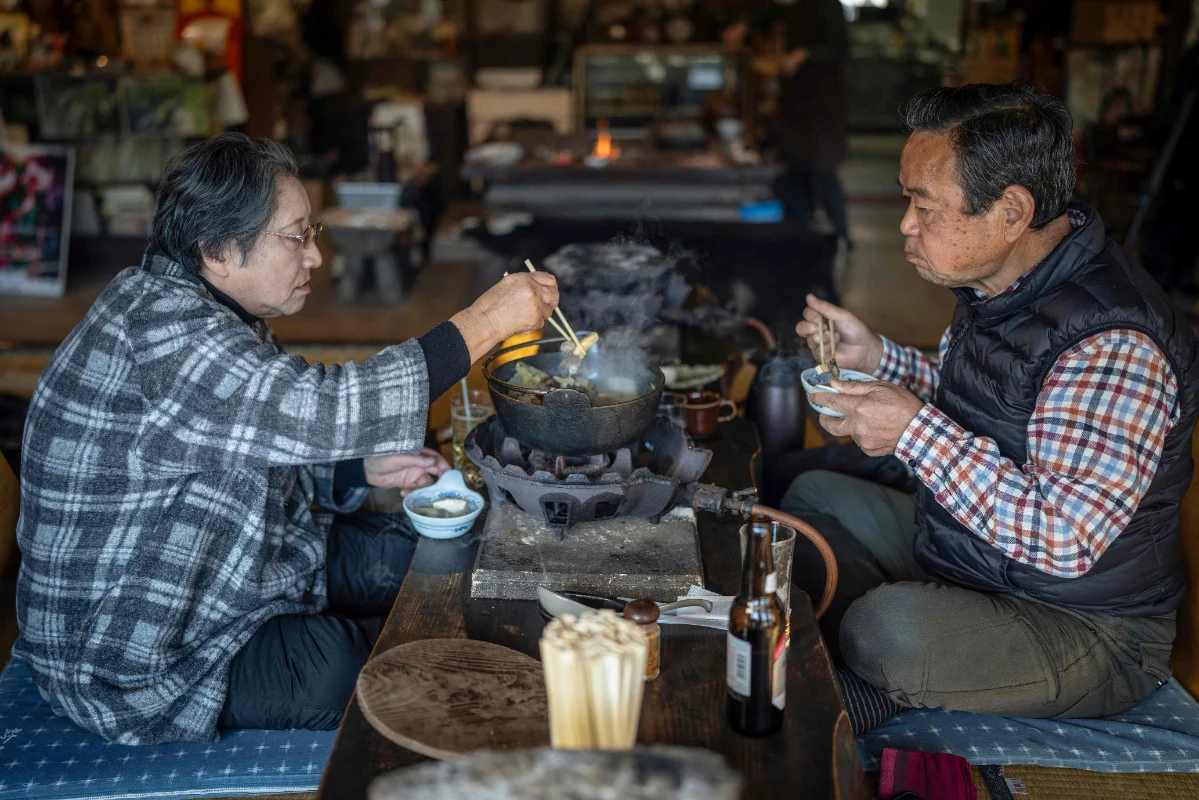
CHICHIBU: Since Japan recorded a spike in deadly bear attacks, Koji Suzuki has struggled to keep up with booming demand for grilled cuts of the animal at his restaurant.
Cooked on a stone slate or in a hot pot with vegetables, the meat comes from bears culled to curb maulings that have killed a record 13 people this year.
Suzuki’s eatery in the hilly city of Chichibu near Tokyo also serves deer and wild boar, but bear has surged in popularity after months of headlines about the animals.
“With news about bears growing, the number of customers who want to eat their meat has increased a lot,” Suzuki, 71, told AFP.
As a show of respect for the bear’s life, he said it is better to use the meat at a restaurant rather than burying it.
His wife Chieko, who runs the restaurant, said she now frequently turns away customers due to high demand.
One diner, 28-year-old composer Takaaki Kimura, was trying bear for the first time.
“It’s so juicy, and the more you chew, the tastier it gets,” he said, grinning as he sat around the grilling stone.
Officials hope culling the bears, which can weigh up to half a ton, will stem the threat across parts of northern Japan.
The 13 people killed this year doubles the previous record, with four months of the fiscal year still to go.
Scientists say the crisis is driven by a fast-growing bear population, a falling human population and poor acorn harvests pushing bears to seek food elsewhere.
The government has deployed troops to provide logistical help for trapping and hunting the animals.
Riot police have also been tasked with shooting them, and the total culled in the first half of this fiscal year has surpassed the 9,100 killed across the whole of 2023-2024.
Bear has long been eaten in mountainous villages across Japan, though it is far from an everyday dish.
The government hopes the meat can become a source of income for rural communities.
“It is important to turn the nuisance wildlife into something positive,” the farm ministry said earlier this month.
Local authorities will receive USD 118 million in subsidies to control bear populations and promote sustainable consumption.
Some restaurants need no convincing.
Katsuhiko Kakuta, who runs a village-owned restaurant in Aomori, said he sold out of the meat earlier this month.
“It has been popular since we started serving it in 2021, but this year, our facility has got a lot of attention,” he said.
In a French restaurant in Sapporo, chef Kiyoshi Fujimoto sears rolled-up meat from a brown bear before adding it to a pot of red wine sauce.
“I feel it’s good to use a locally sourced ingredient,” he told AFP from the fine-dining spot.
A multi-course meal including a consommé made from bear costs around USD 70.
“I think there are more people wanting to eat it now than before, and I’ve been stocking up to capitalise on this,” Fujimoto said.
Brown bears are found only in Hokkaido, where their population has doubled over three decades to more than 11,500.
Japanese black bears are common across large parts of the country.
Last year, the government added bears to the list of animals subject to population control, reversing previous protections.
Hokkaido plans to cull 1,200 bears annually over the next decade.
Much of the bear meat still goes to waste, partly due to a shortage of government-approved processing facilities.
Japan has 826 game factories nationwide, but only a handful are in northern prefectures hit hardest by attacks.
Kakuta’s restaurant has its own butchery, supplying bear meat dishes to a nearby hotel.
“Bear meat is a tourism resource for us,” he said. “And we use something that would otherwise be buried as garbage.”



