



Japan targets illegal Vietnamese workers as PM Takaichi plans stricter visa rules amid record foreign labour and rising social tensions.
TOKYO: Vietnamese worker Minh spent a decade in Japan performing arduous jobs like sandblasting ships and welding steel. He now faces a promised government crackdown on illegal workers after overstaying his visa.
Minh, a pseudonym, arrived in 2015 under Japan’s Technical Intern Training Program (TITP). The scheme is officially designed for foreign workers to acquire skills, but critics argue it supplies cheap, vulnerable labour.
“A lot of Japanese people look only at the surface — that foreigners committed crimes,” Minh told AFP. He questioned why workers reach that point, citing underlying causes.
Of roughly 450,000 technical interns in Japan as of June, just under half were from Vietnam. Many arrive burdened by significant recruitment debts.
Minh intended to repay his $7,500 debt and support his family. He later found undocumented work simpler than returning to scarce opportunities in Vietnam.
“Without foreign workers like us, there is no way Japan’s economy can function,” the 30-year-old said.
Japan’s foreign workforce has hit record levels due to an ageing population and severe labour shortages. This growth coincides with rising living costs and stagnant wages, fuelling resentment.
“Anger at (Japanese people’s) own financial struggles is taken out on foreigners,” said Jiho Yoshimizu, who heads a Tokyo non-profit supporting Vietnamese nationals.
Prime Minister Sanae Takaichi has vowed action, with a policy package expected this month. It will reportedly include stricter visa management.
Crime statistics show a complex picture. Foreigners constituted 5.5% of those arrested for penal code offences in 2024.
Separate data shows Vietnamese nationals topped the arrest list among certain foreigner categories at over 30%. This is partly due to their surging numbers, now a quarter of Japan’s 2.3 million foreign workers.
Minh says he has never been involved in crime beyond his visa status. He described his sandblasting internship as “extremely dirty” work few Japanese colleagues performed.
Yoshimizu said some interns face conditions forcing them to flee. Common complaints include low wages, poor housing, and sexual harassment.
Interns are typically bound to their employer under the programme’s rules. Japan’s immigration agency reported around 6,500 trainees disappeared from workplaces last year.
Absconders may seek black market jobs through online communities or illegal brokers. “Those who don’t can be driven into committing crimes like selling drugs,” Yoshimizu added.
The government plans to replace TITP with a new system in 2027. It will allow more job flexibility but impose stricter Japanese language requirements.
The programme’s appeal is waning due to the weak yen and competition from countries like South Korea. Japan increasingly relies on Vietnamese applicants “with less motivation and educational qualifications than before,” said immigration expert Jotaro Kato.
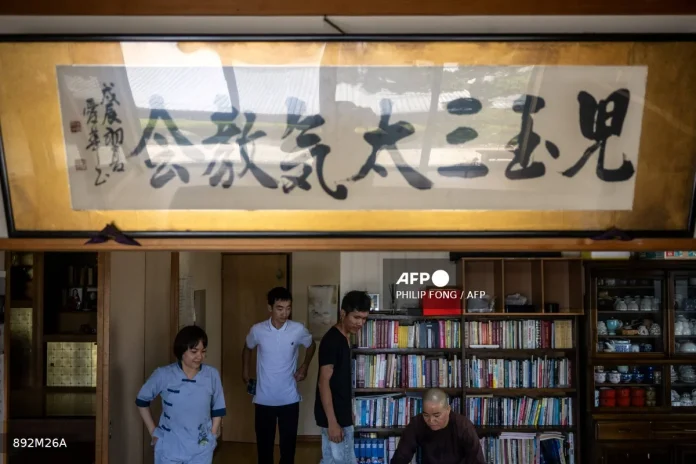
Vietnamese nun Thich Tam Tri shelters compatriots in trouble north of Tokyo. She said some make poor choices, falling into debt through gambling or cryptocurrency.
“Technical interns contribute greatly to Japanese society,” she stated. The nun expressed pain that one bad headline can easily prejudice Japanese people against them.
A Vietnamese trainee was arrested in July for a robbery and murder. “That’s why we have to do as many good deeds as possible to normalise this image of us, and regain the trust of Japanese people,” she said.



