



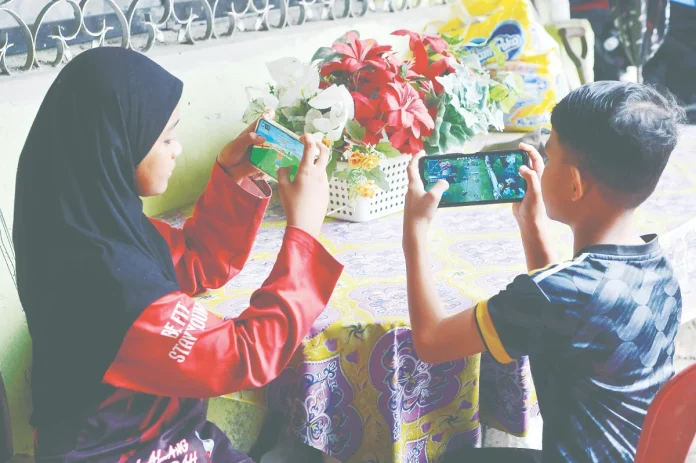
As Australia bans under-16s from social media and Malaysia plans to follow, experts warn of teen withdrawal, emotional fallout and policy gaps.
FIRST Australia, now Malaysia. It seems kids have been treating their phones like cosy little kampung homes – and governments are rushing in with eviction notices.
Australia is banning those under 16 from social media, with fines big enough to make Silicon Valley blink. Malaysia, not wanting to be left behind, plans to follow suit this year – proof that when it comes to tech rules, better late than never.
ALSO READ: Mixed reactions over social media ban for those under 16
Cue the national chorus of parents: “Finally!” Cue the teenagers: “What do you mean I can’t log in?” And somewhere in between, the nation’s WiFi routers are bracing for emotional collateral damage.
Digital detox or dopamine shock?
Let’s face it. For many teenagers, social media isn’t a hobby; it is oxygen, it is social life, it’s validation. It is where they flirt, fight, flex and cry – sometimes all in the same comment section.
When governments say “No more”, what we are doing is staging a cold-turkey intervention on an entire generation. Studies show that even adults experience cravings, irritability, restlessness and mood swings when cut off from social media.
One research project found that people felt bored, anxious and emotionally unsettled after just one week without their feeds. Imagine telling a 15-year-old: “No TikTok. No Instagram. No Snapchat.” I rest my case.
The mini meltdowns are coming
In Australia, where platforms have already begun shutting down under-age accounts, media reports are filled with teenagers describing feeling:
- Disconnected from friends;
- Left out of everything;
- Bored all the time; and
- Weirdly anxious for no reason.
Translation: digital withdrawal, but make it teenage.
In Malaysia, teachers and parents are already seeing similar behaviour when phones are confiscated in school – irritability, sulking, emotional shutdown and yes, the classic passive-aggressive silence that could freeze teh tarik.
This isn’t because teenagers are weak; it is because their brains are literally wired for dopamine hits and social media has been serving it buffet-style since primary school. You take away the buffet, of course the customer will get angry.
Is this ‘addiction’? Science says it is complicated
Before anyone waves their kain pelikat in shock, no – social media withdrawal is not yet officially classified like drug or alcohol withdrawal. There is no medical term for “TikTok shakes” (yet).
But behavioural psychologists are increasingly uncomfortable with how similar the patterns look:
- compulsive checking;
- distress when access is blocked;
- emotional volatility; and
- immediate relapse when allowed back.
If it walks like a duck, quacks like a duck and cries when you hide the duck… we should probably stop pretending it’s just a hobby. In plain Makcik language: the kids are hooked.
Are we ready for the fallout?
Australia’s ban is already in motion, with millions of teeagers’ accounts being deactivated. The government says it is about safety, mental health and protecting children from online harm. All valid.
Malaysia’s planned ban is driven by similar concerns – cyberbullying, scams, sexual exploitation and the slow emotional decay that comes from living life through filters.
Good intentions, yes. But policy without preparation is just chaos in formal language. Because if you remove social media without strengthening mental health support, providing alternative youth spaces, teaching emotional regulation and giving teenagers somewhere else to belong… you are not solving a problem; you are just moving it.
From scroll to sulk: What withdrawal actually looks like
Don’t expect teenagers to shake and sweat like in old drug movies. This is Gen Z and Gen Alpha drama – it’s more subtle but equally intense. You will see:
- sudden moodiness;
- social withdrawal;
- irritability over “nothing”;
- constant phone checking even when there is nothing to check, and
- the haunting phrase: “I’m bored”.
When a teenager says they are bored, what they mean is: “My dopamine supply has been interrupted and I do not like it.” Cue the sighs, the door slams, the existential crisis over dinner.
The lempang reality check
Now, before the aunties start cheering, let’s be clear: banning under-16s from social media is not wrong; protecting children is necessary. The internet is not a safe playground; it is a jungle with algorithms.
But don’t be shocked when teenagers react badly. Don’t clutch your chest when they sulk, don’t act surprised when they find VPNs faster than you find your reading glasses. Because you didn’t just take away an app; you took away their social currency, their identity playground, their validation machine and their digital village, and that hurts – even if it is good for them.
Dear policymakers: You started the detox, now do the aftercare
If Malaysia is serious about this ban, we need:
- real youth engagement spaces;
- school-based emotional literacy programmes;
- community activities that don’t feel like punishment, and
- mental health support that isn’t just a hotline number on a poster.
If you cut off the supply without healing the need, the craving doesn’t disappear; it just gets creative. And trust me, Malaysian teenagers are very creative.
Final word from Makcik
Yes, protect the kids, regulate the platforms and draw boundaries but please, jangan buat style “tutup lampu, keluar bilik, siap”, like we are just switching off a fan.
These are humans; not routers. If we don’t manage the emotional fallout, we will be sitting here in 2026 wondering why teenagers are angrier, quieter and more disconnected while saying, “Eh, we already banned social media what.”
Aiyo. Policy without empathy is like sambal without belacan – looks official but leaves a bad taste. And teenagers? They will bend, break and TikTok their way through it anyway.
This Makcik backs the ban – too many dangers lurking online – but when teenage angst turns into a full-blown digital tsunami, don’t say you weren’t warned.
Azura Abas is the associate editor of theSun.
Comments: letters@thesundaily.com



