




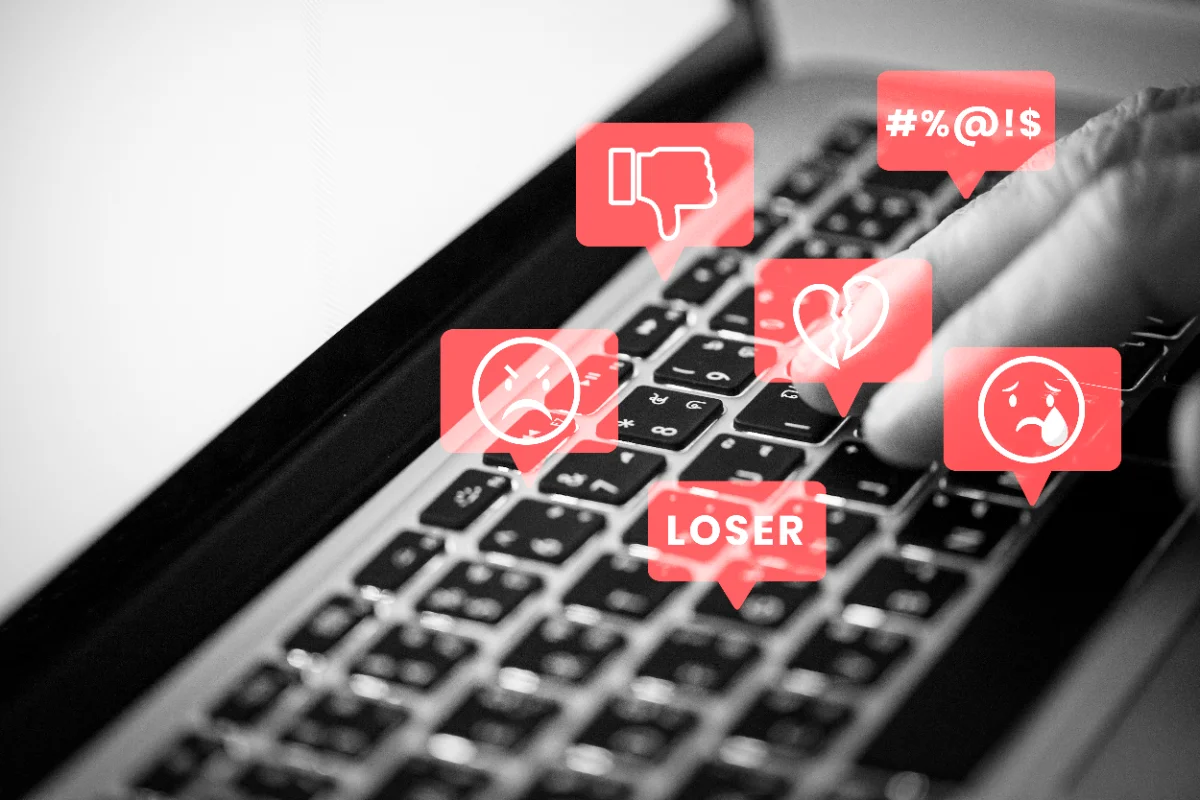
Online hate speech spreads rapidly, harming empathy, deepening divisions and impacting mental health, especially among youth
AS we scroll through our social media feeds, it is hard not to notice the flood of hate speech that emerges whenever controversial or sensational topics arise.
Some users shy away, others remain silent observers while a vocal few dive into the fray either to mediate or to escalate tensions. But what does engaging with or merely witnessing hate speech do to us?
From a linguistic perspective, hate speech refers to language that expresses, incites or legitimises discrimination, hostility or violence against individuals or groups based on attributes like race, ethnicity, religion, gender or other identity markers.
It often includes derogatory labels, dehumanising metaphors and rhetorical strategies that entrench social divisions and reinforce power imbalances. Whether we call it hate lingo, verbal violence or linguistic aggression, its purpose remains the same: to harm, to hurt emotionally, socially and sometimes physically. It may begin subtly, with micro aggressions (such as “You look so exotic!”), but can quickly escalate into overt threats or incitements to violence.
The spread of hate speech is a global issue, not confined to any one country. Fuelled by the rapid transmission of information and algorithm-driven platforms, social media amplifies extreme views.
These platforms are designed around engagement, often prioritising the most provocative content because it generates the most interaction. As a result, hate speech now spreads faster and reaches wider audiences than ever before.
Linguistic research has identified a chilling pattern: words like “vermin”, “cockroach” and “parasite” frequently appear in hate speeches, dehumanising targeted groups and paving the way for violence against them.
Historically, such language has preceded atrocities like genocide. When hate speech becomes normalised, it reshapes public perception and creates a climate where discrimination and aggression are seen as acceptable.
Surprisingly, hate speech can also be addictive. Studies suggest that for some individuals, exposure to negativity triggers dopamine release drawing them back for more, much like a drug. But just as drugs harm the body, chronic exposure to hate speech damages cognitive and emotional health.
A 2023 study found that prolonged exposure to online hate speech diminishes our capacity for empathy. Over time, people become desensitised to others’ suffering, especially those outside their own social or cultural groups. This erosion of empathy can threaten social cohesion and risk deepening societal divides.
And it is not just adults who are affected. A global survey of 31,790 children aged 12 to 16 across 36 countries revealed that a significant number had encountered hate messages or violent imagery online. This exposure is deeply concerning, risking nurturing a new generation that normalises prejudice and intolerance.
Difference between hate speech and sharing an opinion
The distinction lies in intent and impact. Hate speech promotes harm, often through inflammatory or dehumanising language. Sharing an opinion, by contrast, involves reasoned discourse that challenges ideas without inciting violence or hostility. While opinions foster dialogue, hate speech aims to silence, provoke or oppress.
What can we do?
While quitting social media entirely may seem like the ideal solution, it is hardly realistic in today’s hyper-connected world. Instead, we can take meaningful steps to reduce our exposure to and participation in hate speech. Here are a few practical strategies:
• Limit screen time to reduce contact with toxic content.
• Curate your digital space by following accounts that promote respectful and constructive discourse.
• Think critically about the content you consume and share online.
• Be aware of algorithms that prioritise controversial content and don’t fall into the trap of outrage-based engagement.
Before posting something hateful, take a moment and ask yourself: Will these words help or harm? Language is powerful. Let’s choose to use it to connect, not divide.
Dr Habibah Ismail is a lecturer while Siti Nur Baiin Che Harun is a language teacher, both at the Faculty of Major Language Studies, Universiti Sains Islam Malaysia. Comments: [email protected]



