




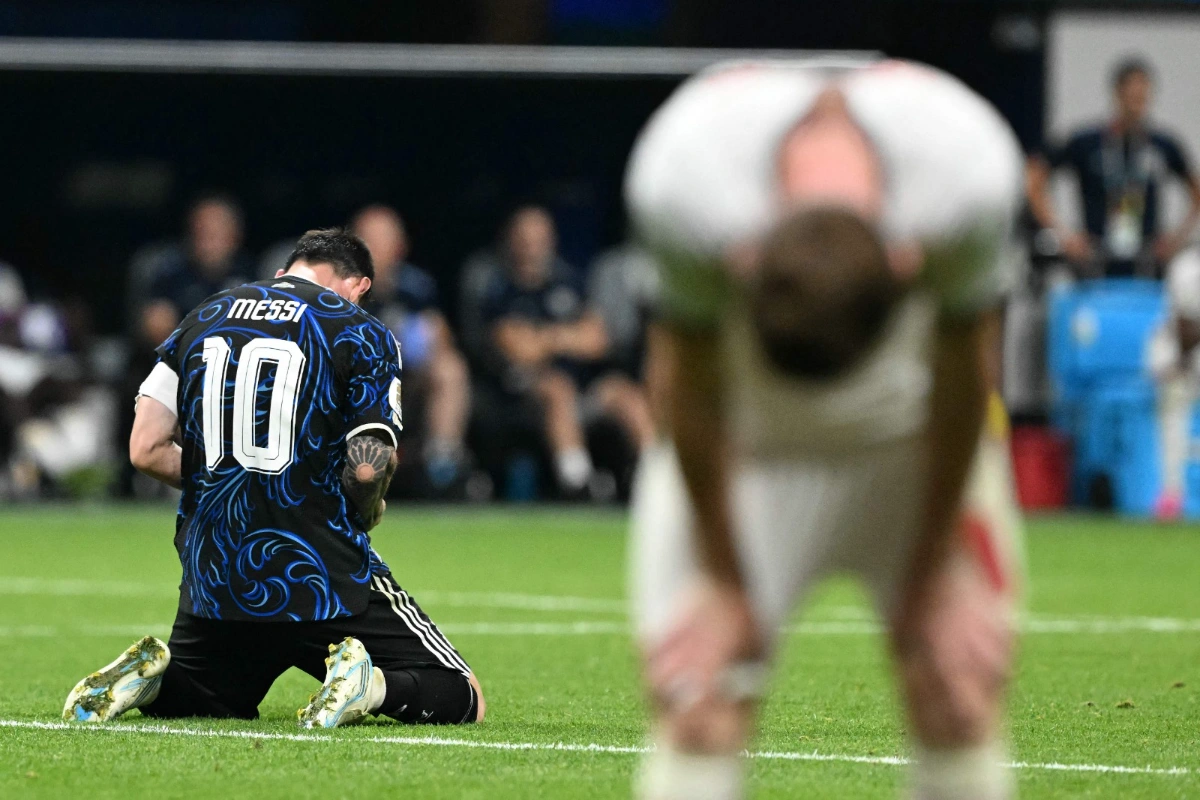
Tuchel didn’t build a defensive fortress; he did the exact opposite. He left the gate wide open, handed Argentina the keys, and packed England’s bags for the flight home.
IT STARTED as an explosive match. Two heavyweights trading blows under the heavy tension of a World Cup semifinal, and perhaps past history.
Let me be entirely honest before the internet trolls and keyboard warriors are deployed, I am writing this as a neutral observer who simply loves the game. As a dedicated supporter of only Manchester United, the Netherlands, Black Army Rovers, and Zoolad, my heart has no stake in this specific geopolitical psychodrama. I am merely a purist watching from the comfort of my space.
However, what transpired in Atlanta will trouble the footballing consciousness for years to come. Up until the 85th minute, what I am about to say will absolutely not sit well with a vast portion of the reading public. Some of you will immediately brand me an unhinged Messi hater, typing furious vitriol into your WhatsApp group chats before you even finish this sentence. But let’s be honest, Lionel Messi had been human. He was operating as just another player on the pitch, drifting through transitions, entirely closed down by a disciplined, industrial English structure.
Until the 85th minute, when he suddenly decided to matter.
That is the terrifying, unvarnished reality of that little magician. He can spend an hour looking like a man searching for his lost car keys and then, with one swing of his boot, he alters the gravitational pull of a global tournament. A precise pass to Enzo Fernandez, paired with an inch-perfect cross to Lautaro Martinez, and the universe bends. That is the magic he brings, the magic that materialises only when the stakes are at their absolute highest.
According to the Footballing Book of Kishen, high-stakes tournament football games are traditionally won by one of five variables: heroic goalkeeping, flashes of individual brilliance, an elite goal scorer, a manager’s tactical masterclass, or an unmitigated out-of-the-box screamer.
For this semifinal, we were treated to a rare, intoxicating cocktail of all the above, framed beautifully by pristine, fair refereeing. Today, the paranoid internet factions cannot scream about a systemic VAR conspiracy. I’ve got to say that the match officials did their jobs immaculately.
However, today’s catastrophe belongs entirely to one man.
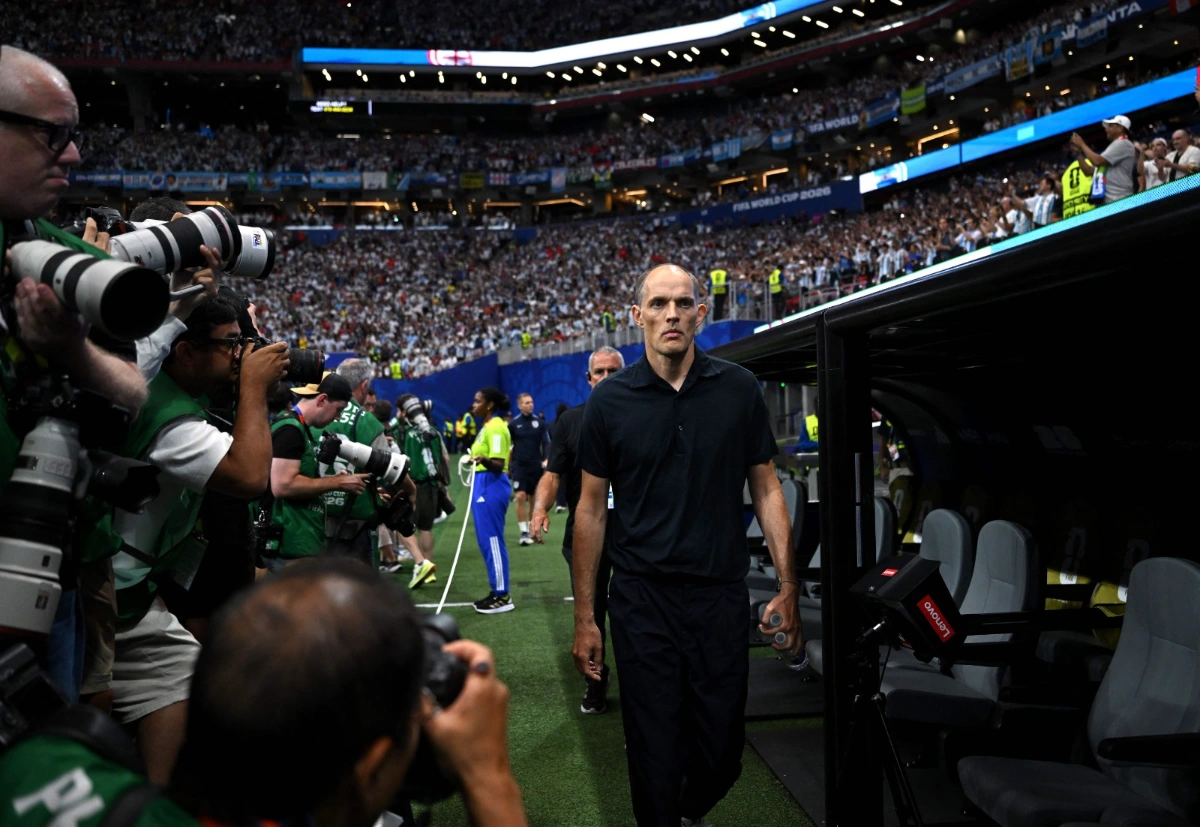
The media has spent weeks building a narrative about English resilience, and then Thomas Tuchel decides to treat the closing stages of a World Cup semifinal like a standard software update gone wrong.
I’ve seen better structural builds from my 9-year-old with LEGOs. Watching the subs he made, I just had to laugh, because if I don’t, I will then be forced to accept that a highly paid European tactician looked at a firing, dominant football team and thought, ‘You know what this needs? The removal of my goal scorer and a massive dose of immediate defensive surrender.’
The tactical blueprints tell a damning story. Yet, despite that initial imbalance, Anthony Gordon’s blistering volley ten minutes into the second half handed England a precious 1-0 lead. The final was right there for them to take, glistening in humidity.
And then, Lionel Scaloni won the match from the bench. The Argentine coach executed a series of proactive, attacking substitutions, ruthlessly introducing Lautaro to alter the architecture of the final third.
Tuchel’s counter-strategy? Complete, unadulterated tactical disaster.
As I argued in my recent column on the Netherlands, the absolute worst decision a manager can make is taking out your attacking outlets to submissively play for a defensive result. The moment you pull off your forwards, with Barca-bound Gordon withdrawn for Ezri Konsa and Reece James replaced by Dan Burn you draw a giant target on your own chest.
By making a collection of catastrophically passive substitutions, you are practically beginning a side containing Messi to come from behind and nick the tournament away from you. And they did.
It is the same old, exhausting English tragedy. When the going gets tough, the English tactical brain completely implodes.
What makes it truly unforgivable is the lack of competitive cynicism. Argentina spent the entire second half walking a tightrope, with both of their starting centrebacks, Cristian Romero and Lisandro Martínez, trapped on yellow cards. Any forward with a shred of predatory instinct would have isolated them, run at them, and forced a red card. Yet, none of the English players showed the tactical malice to go for the jugular. They just sat back, submissively waiting for the execution.
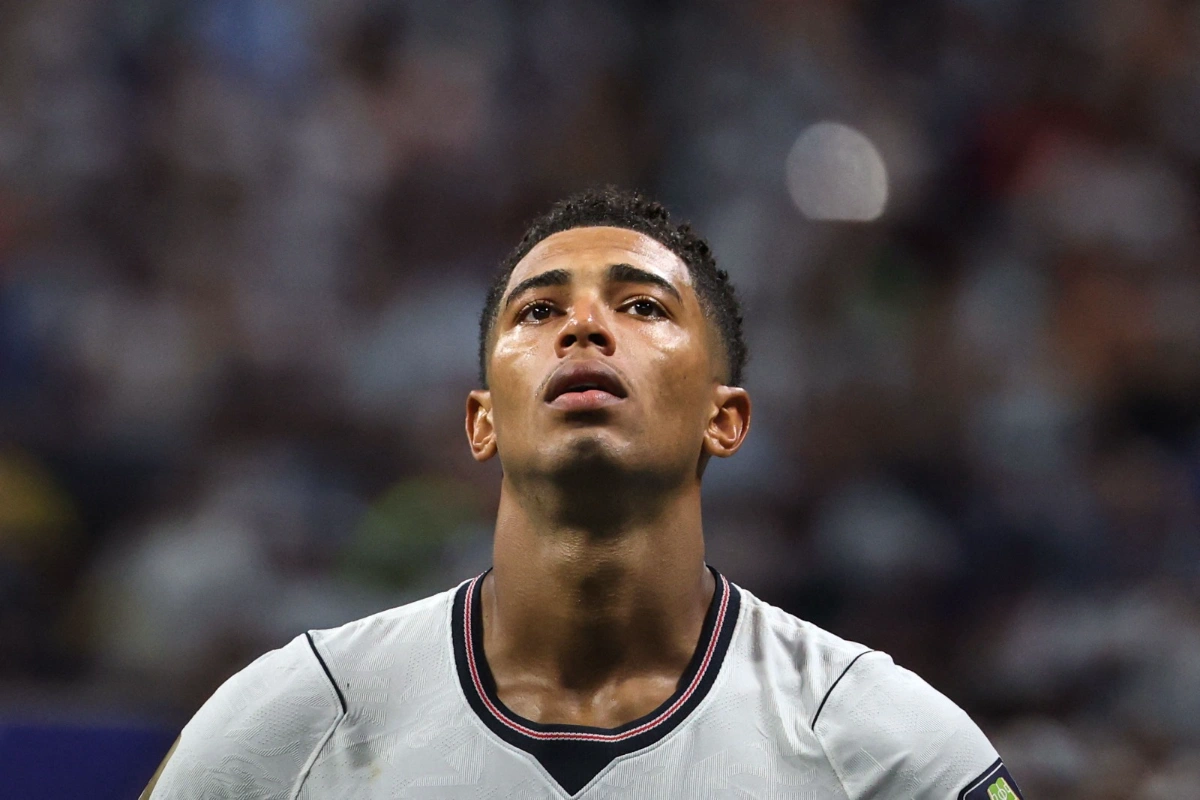
Personally, I felt for Jude Bellingham. The boy did absolutely everything humanly possible, running himself into the Atlanta turf, trying to drag his nation to the promised land. But a lone star cannot survive a managerial blackout.
Instead, our highest praise must be reserved for Enzo. For me, he was my Man of the Match. He controlled the rhythm of the park, completed 75 accurate passes, and delivered the stunning, swerving 85th-minute strike that completely broke Pickford’s resistance and turned the semifinal on its head.
I have to mince my words here; my editor will throw this column out entirely. Today, no one can blame the air-conditioned VAR room. They cannot blame the pitch, the weather, or a biased refereeing committee. This exit belongs 100% to Thomas Tuchel. The players gave everything they had, but the manager was the defining factor.
I am sure after England scored, the English fans in the stadium were preparing to have another unplugged version of Wonderwall. The irony is spectacular. I spent the last ten minutes of the game wondering where on earth the wall actually was.
Tuchel didn’t build a defensive fortress; he did the exact opposite. He left the gate wide open, handed Argentina the keys, and packed England’s bags for the flight home.



