




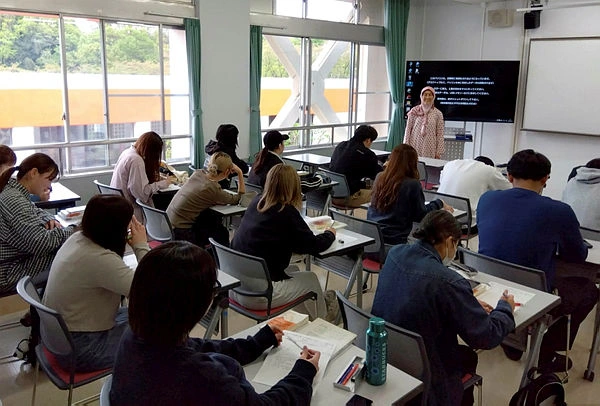
A lecturer questioned the fairness of student evaluations, prompting mixed reactions over accountability, teaching quality and performance reviews.
STUDENT evaluations of lecturers have long been a standard feature of higher education, intended to help universities monitor teaching quality, identify areas for improvement and ensure accountability in the classroom.
Recently, a lecturer questioned the necessity of these evaluations, arguing that their credibility is undermined when they are completed by students who do not take their studies seriously.
“Doing the bare minimum and not even being qualified to evaluate me. All of these evaluations are about how a student feels towards a lecturer,” the educator said in a Threads post.
In response to a commenter, the lecturer explained that while she was not afraid of being evaluated, she felt it was “unfair” for her and fellow educators to receive negative reviews from students who allegedly never attended their classes.
As the post gained significant attention, opinions were divided. Some sympathised with the lecturer’s frustration, while others defended evaluations as an important tool for maintaining the quality of higher education.
Some users lamented that these evaluations have become part of lecturers’ performance assessments, arguing that negative feedback from students who do not engage with their coursework could unfairly affect their professional evaluations.
“My students gave me low scores in the evaluation, and their reason was that the lecturer used too much English in class. For your information, I teach in the English Education Department. I have been teaching for 23 years. What do I do?” a commenter asked.
“This is a highly valid concern. Students actually do not have the authority or the right to evaluate their lecturers. Lecturers can only be evaluated by someone senior to them, such as senior lecturers or subject matter experts,” another user remarked.
On the other hand, some netizens defended the need for student evaluations, saying they provide an avenue to hold lecturers accountable when they fail to teach subjects effectively.
“I only evaluate lecturers who need it. If their quality of teaching is questionable, I have the right to voice my opinion. There are lecturers who are problematic and make life difficult for students,” a user said.
“Lecturers are not perfect. Some even abuse their authority. It is only fair to provide a platform for students to evaluate educators. Students are the clients, the stakeholders, whether we like it or not. It is not about the evaluation process — it is fair and necessary,” another netizen added.
As universities continue to rely on these evaluations, the debate raises broader questions about whether the current system strikes the right balance between meaningful feedback and accurate performance measurement.



