




Table of Contents
Iron Lung sees Markiplier turn a minimalist game into an intimate sci-fi nightmare.
WHEN a YouTuber announces he is writing, directing, editing, funding and starring in his own sci-fi horror feature, scepticism is inevitable. Yet Iron Lung, Mark “Markiplier” Fischbach’s first theatrical film, never feels amateur.
The film stands as a rare case of a creator-driven passion project scaling up without losing its identity.
Based on the 2022 indie game by David Szymanski, it does not simply retell the source material. It expands it, interrogates it and, crucially, humanises it.
From mundane gameplay to existential horror
The original game was mechanically simple. You navigated a submarine using coordinates and periodically snapped grainy photographs of the ocean outside.
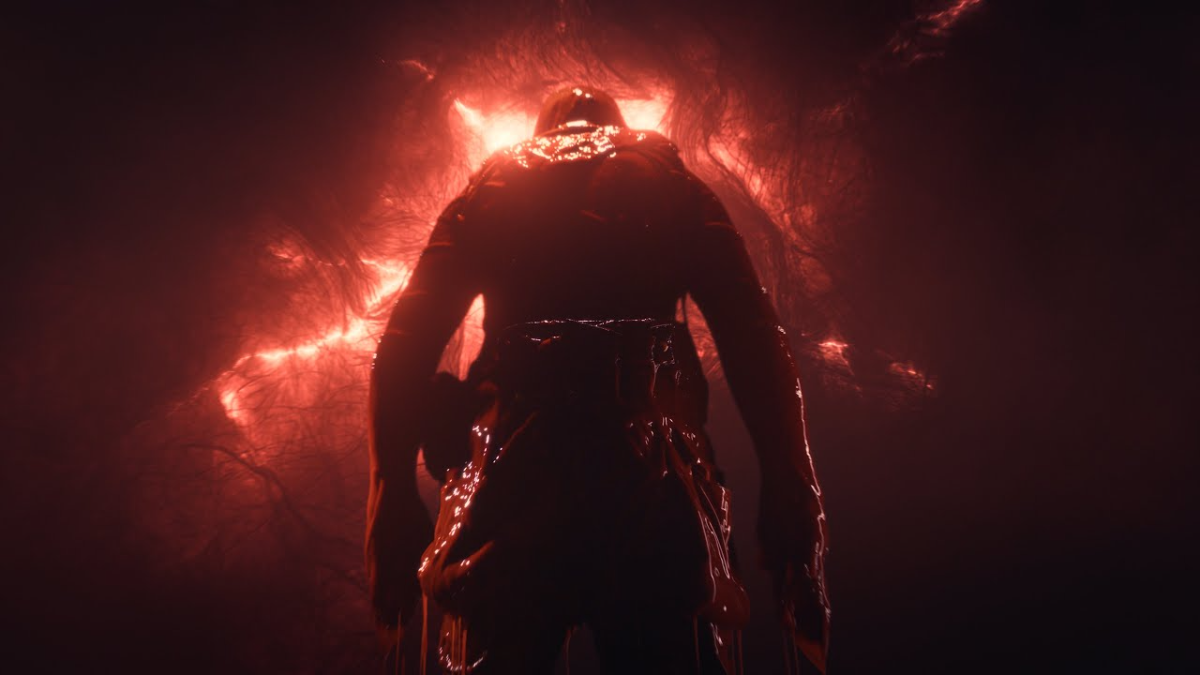
On paper, it was repetitive, even dull. What made it compelling was the off-screen lore: the mystery of the blood ocean, the vanished stars and the so-called Quiet Rapture.
The film understands this. Instead of trying to fix the game’s limited gameplay, it leans into it. The welded-shut submarine, the sealed porthole and the crude camera become storytelling devices. The camera is no longer just a mechanic. It is weaponised.
Radio communications add texture to what was once an almost entirely solitary experience. Through Ava (Caroline Kaplan) and the surface crew, the world feels larger even as Simon’s (Fischbach) physical world remains crushingly small.
Claustrophobia without fatigue
For a 125-minute film set largely inside a mini submarine, the cinematography is impressively controlled. Every frame feels cramped, dark and anxiety-inducing. The metal walls sweat. Blood seeps in. The camera lingers just long enough to make you uncomfortable.
There is a stretch where the screen descends into near total darkness for what feels like ten minutes. It is disorienting and will likely divide audiences.
This is cosmic horror scaled down. The universe is dead. The stars are gone. Humanity is almost extinct. Yet all we see is one man in a steel coffin descending into an ocean of blood.
Simon’s fracturing mind
Simon is a convict promised freedom if he completes the mission. His journey oscillates between defiance and despair. He rages at Ava. He pleads. He hallucinates. He suffers concussions. He bleeds.
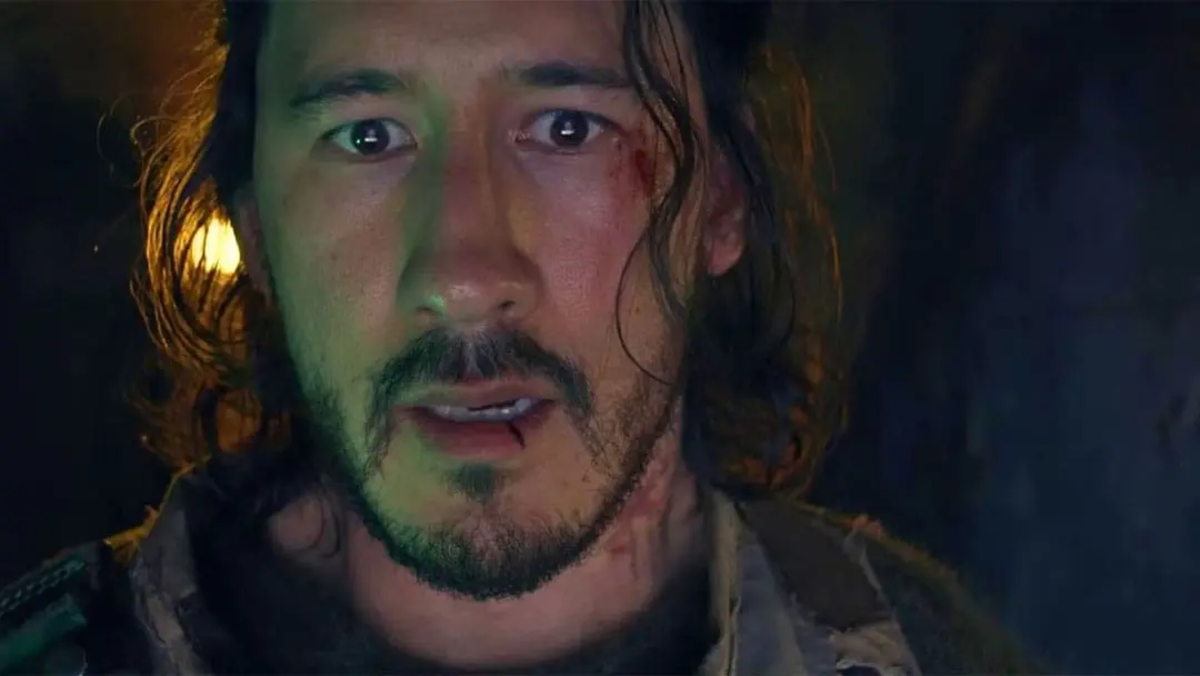
Is he reliable? Almost certainly not.
The film plants doubt everywhere. Ava lies about previous pilots. Simon discovers logs proving he is not the first. Voices whisper to him. Is it the monster, the blood, the mysterious light beneath the ocean or simply a man losing his mind in isolation?
The ambiguity is the film’s greatest strength. Both game and movie leave you with more questions than answers.
What exactly was the Quiet Rapture? Is it linked to the ocean of blood? How certain are they that every living thing in the universe is dead? Why are these survivors the only ones left? What is the giant creature in the deep, and why are there skeletal remains of another human?
One chilling implication is that the monster could be mutated remnants of past missions. The idea that Simon’s own use of the camera, effectively mini nuclear blasts, may be accelerating his mutation adds tragic irony. He may be becoming what he fears.
Even if he survives, what then? Humanity is functionally over. There is no future waiting at the surface.
Markiplier the filmmaker
For his first major big screen acting role, Markiplier delivers a performance more committed than many expected. His acting will not silence all critics. At times, his delivery borders on flat. Yet that restraint suits Simon’s psychological decline.
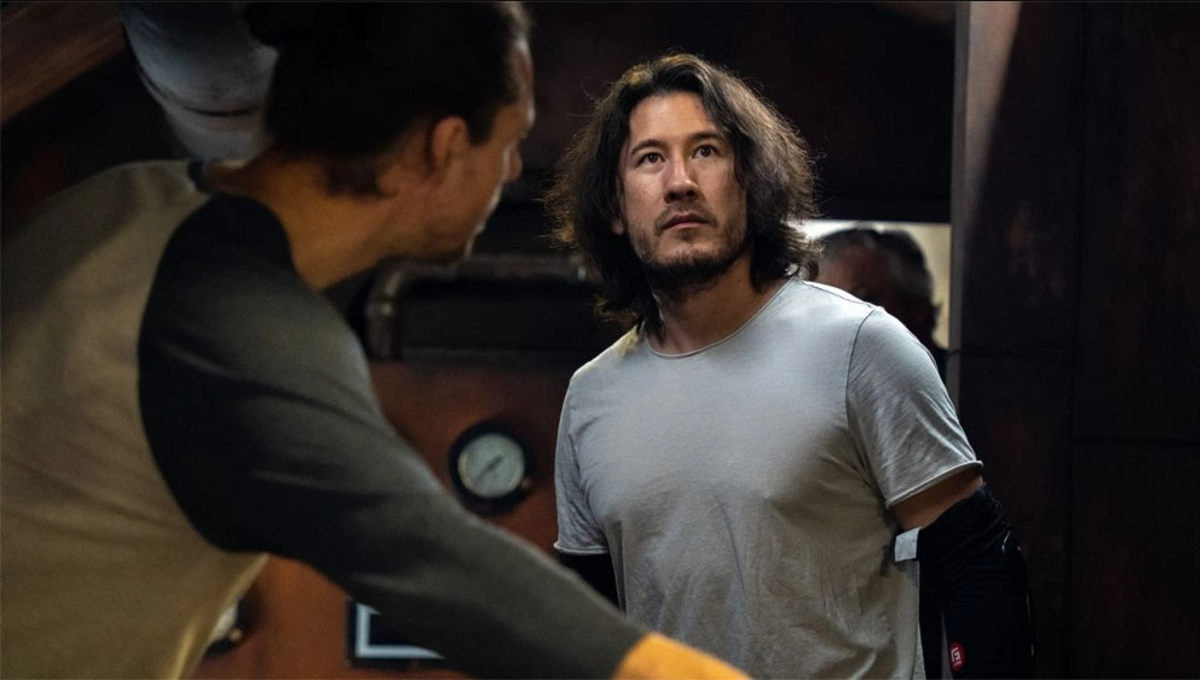
When the cracks appear, they matter. In the final act, as the submarine floods with blood and organic matter and Simon’s body begins to betray him, the desperation feels earned.
The cameo by YouTuber Sean McLoughlin, better known as Jacksepticeye, is brief but effective, adding emotional texture without disrupting the suffocating tone.
Behind the camera, Fischbach shows discipline. The atmosphere is cohesive. The sound design and Andrew Hulshult’s score sustain dread without cheap jolts. Most importantly, the script trusts the audience. It resists overexplaining the light, the blood or the Quiet Rapture.
YouTube to horror cinema
Markiplier’s leap invites comparison with Danny and Michael Philippou, known as RackaRacka. The Australian twins built their name on chaotic horror comedy shorts before directing the acclaimed Talk to Me (2022) and later Bring Her Back (2025), proving viral energy could translate into disciplined genre filmmaking.
They are not alone. Christopher Michael Stuckmann, long known as one of YouTube’s most prominent film critics, also stepped behind the camera with his horror feature Shelby Oaks (2024). His path evolved from analysis into authorship, yet it reflects the same broader shift.
YouTube is no longer merely a platform for commentary or sketches. It has become a training ground for theatrical horror directors.
Small scale, big dread
It is rare to see sci-fi horror of this kind in cinemas now. Not sprawling space operas, but intimate cosmic horror. The scale is vast in implication yet microscopic in perspective.
Iron Lung may frustrate viewers who want clear answers or constant action. It is slow and repetitive by design. It is oppressive. But it is also unsettling in a way that lingers.
Never at any point does it feel like a YouTuber’s vanity project. It feels like a filmmaker wrestling with existential terror, faith, guilt and the possibility that the universe is not just empty, but watching.
And perhaps whispering back.
READ MORE:
Send Help review: Sam Raimi returns to horror with twisted island thriller
28 Years Later: The Bone Temple digs deeper
Good Luck, Have Fun, Don’t Die review: Absurd, funny and anti-AI
Wake Up Dead Man takes Knives Out to church



