





Table of Contents
Workplace rivalry spirals into psychological horror in Send Help
SAM Raimi’s Send Help is an unhinged, deeply uncomfortable and often darkly funny return to form for the seasoned director.
The film follows a corporate employee and her bully of a boss who survive a plane crash, finding themselves stranded on a remote island where survival slowly gives way to something far more twisted.

It is the kind of movie that dares you to choose a side, only to make you regret doing so minutes later.
Stranded, but never safe
This is one of those films where you genuinely do not know who you are supposed to root for, or if you are meant to root for anyone at all. Raimi sets you up early to feel sympathy for Linda Liddle (Rachel McAdams), only to slowly rot that sympathy away. What starts as discomfort turns into disgust, then straight-up horror. By the end, it feels wrong to be on anyone’s side, which feels entirely intentional.
On the surface, Bradley Preston (Dylan O’Brien) is easy to hate. O’Brien plays him as the stereotypical terrible boss – arrogant, dismissive and selfish. He gets humbled quickly once survival becomes the priority, but his terribleness never really leaves. Even when he is physically vulnerable, his instincts are still ugly. It is hard to call him a victim because so much of what happens is driven by his own choices.
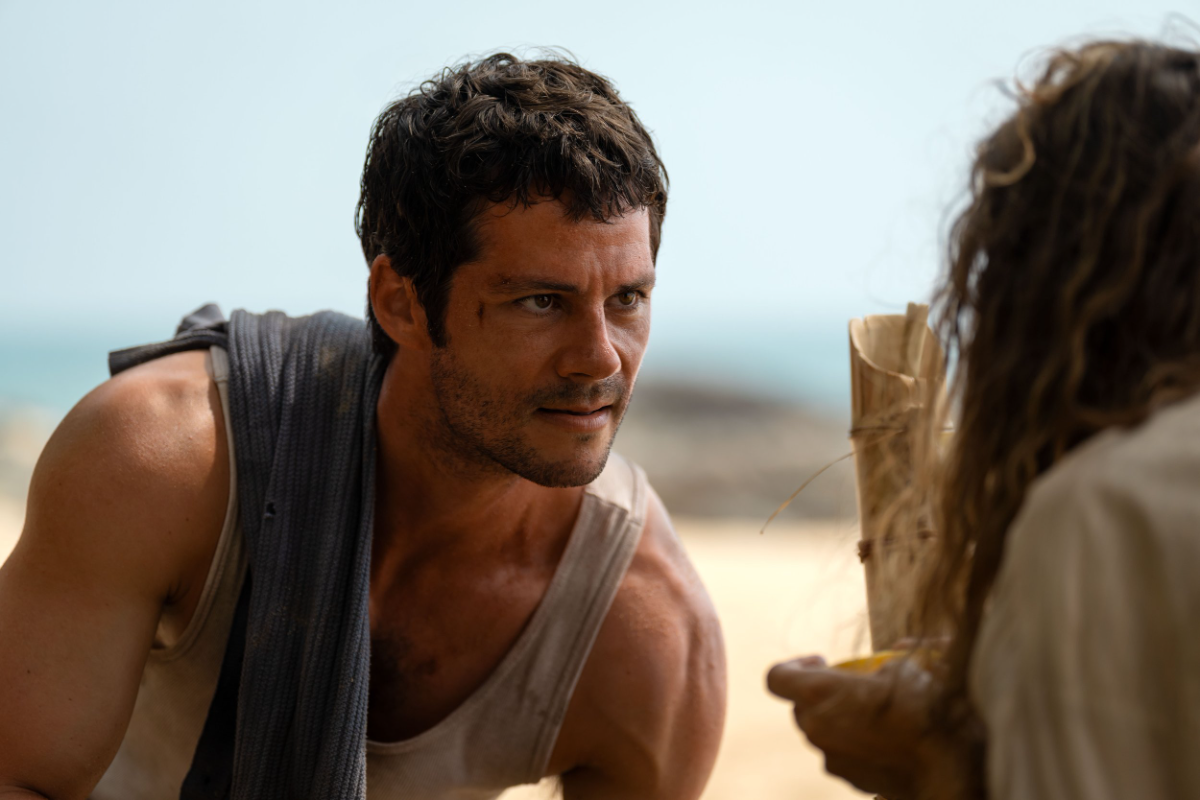
Linda is where the film really gets uncomfortable. She is not outwardly cruel in the way Bradley is. Instead, she is manipulative, controlling and quietly dangerous. That, somehow, makes her even worse. Her character has the most nuance in the film because Raimi lets the audience discover her darkness in stages. Watching her flip the power dynamic, making Bradley dependent on her survival skills, is chilling. She knows he would die without her, and she revels in it.
Raimi being Raimi
Raimi’s style is unmistakable here. If Sam Raimi had to make Cast Away (2001), this is exactly what it would look like. He cannot resist injecting his flavour of zombie horror into a survival story, and for fans of The Evil Dead franchise, that is part of the fun. The exaggerated gore, the bodily fluids, the over-the-top discomfort all feel like cousins to his earlier work.
There are moments that are terrifying, moments that are funny, and moments that are funny because they are horrifying. Raimi has always loved making audiences squirm – the puke and blood in this movie are absolutely overdone on purpose.
The jump scares feel forced at times, but they also feel playful. Raimi has never been subtle about his love for genre tricks, and Send Help treats horror like a toy box. His distinct cinematography plays a huge role too. The wipes and transitions keep scenes from feeling static, constantly reminding you that you are in Raimi’s hands.
There are also clear nods for long-time fans. Frequent collaborator Bruce Campbell shows up in cameo form, which feels less like fan service and more like Raimi planting his flag. It is a reminder that this is the same filmmaker who once turned a cabin in the woods into pure chaos.
Relationship built to collapse
The relationship between Bradley and Linda is the real engine of the film. It shifts constantly. First, it is boss and employee, with Bradley taking Linda for granted. Then it becomes a survival partnership, where Linda’s skills in shelter-building, collecting water, foraging and hunting keep them alive. There is even a stretch where they feel like friends, with hints of something more. That is what makes the eventual collapse so brutal.
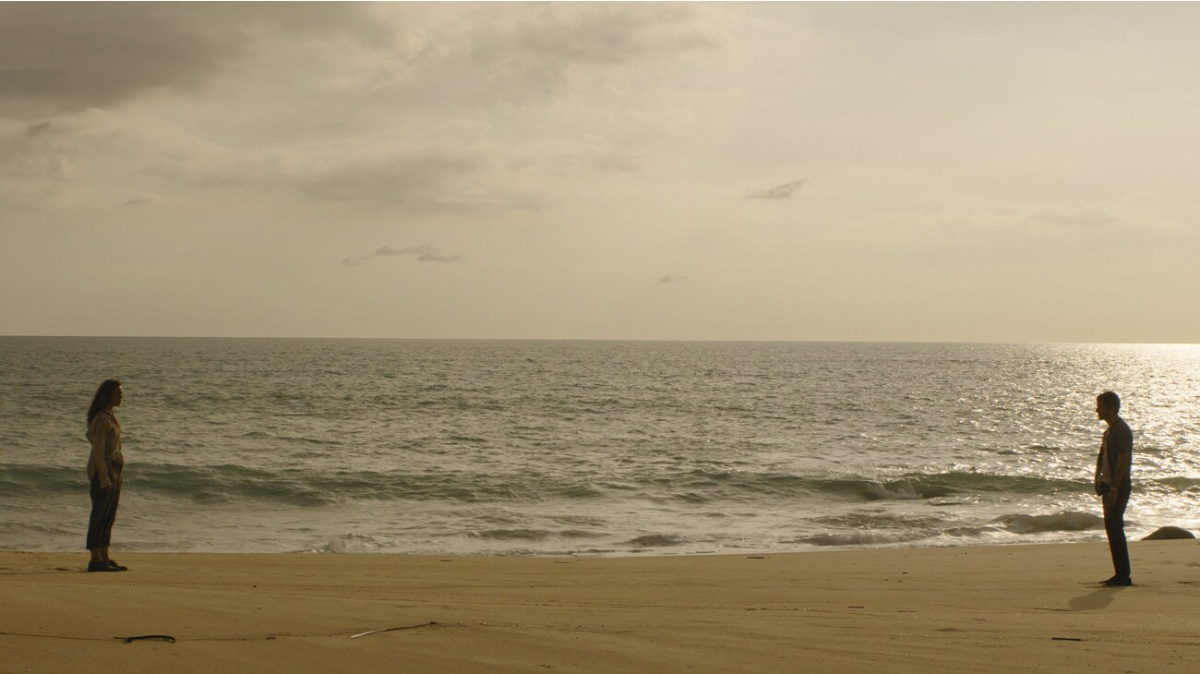
When Linda’s manipulativeness fully surfaces, it is shocking not because it comes out of nowhere but because you have watched it slowly build.
The violence between them is genuinely hard to watch. Raimi does not shy away from showing how far human beings can go when stripped of social rules. The clash between Bradley and Linda is savage, physical and deeply personal. It is not stylised hero-versus-villain violence. It is ugly and mean.
Even the more predictable elements still work. Certain reveals are easy to see coming, but that does not blunt their impact. What matters is not surprise, but how those moments push the characters into even darker territory.
No heroes, only survivors
By the end, Send Help makes one thing clear. Everyone in this movie is a terrible person. Survival does not make them better. It just gives them permission to be honest about who they are.
Raimi turns a deserted island into a psychological pressure cooker, and watching it explode is horrifying and impossible to look away from.
READ MORE:
The Rip Review – Stars stuck in a flat, bloated crime thriller
Movie review: No Mercy for Chris Pratt
28 Years Later: The Bone Temple digs deeper
Five Nights at Freddy’s 2 turns horror into farce
Wake Up Dead Man takes Knives Out to church



