




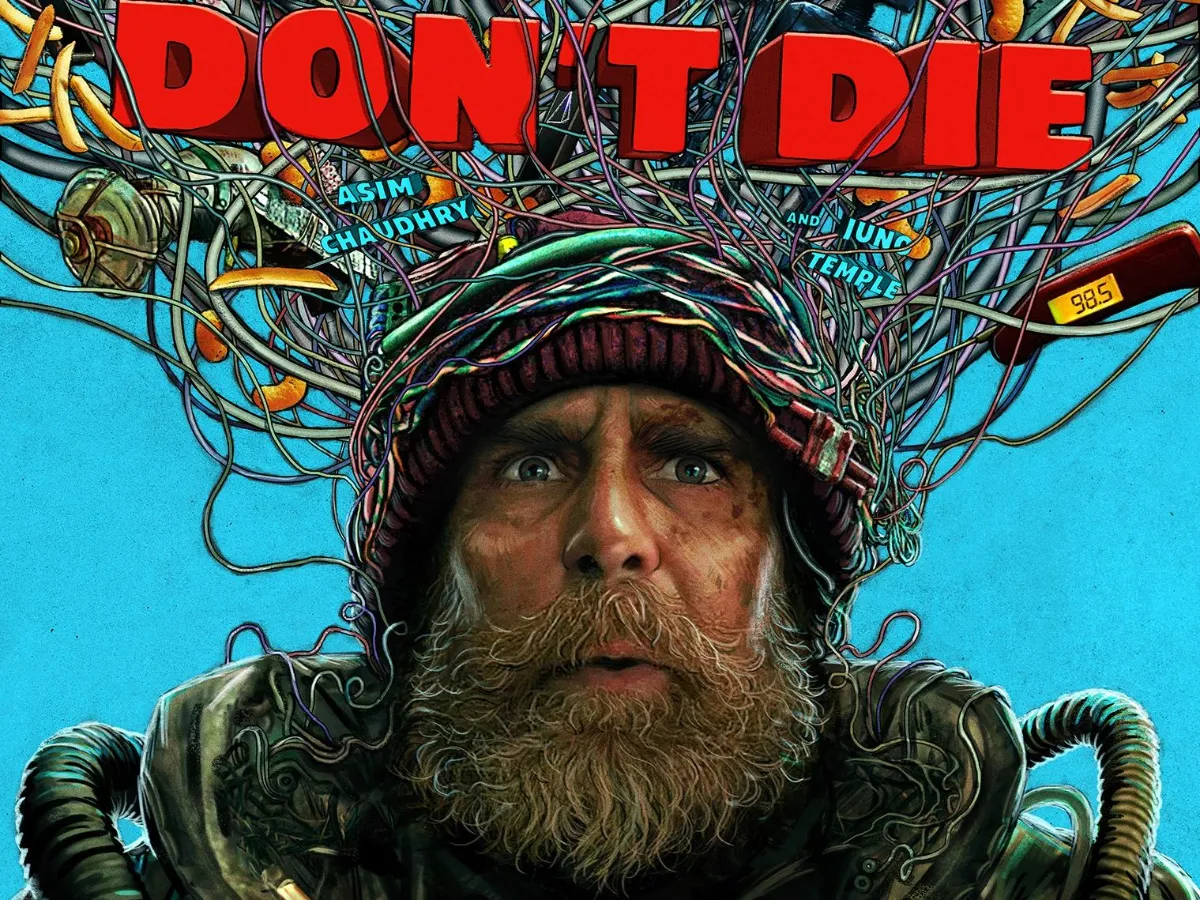
Gore Verbinski’s Good Luck, Have Fun, Don’t Die is a digital satire that feels chaotic, uncomfortably real
Table of Contents
DIRECTED by Gore Verbinski and led by a jittery but commanding Sam Rockwell, Good Luck, Have Fun, Don’t Die feels like one long Black Mirror episode that decided to laugh at the apocalypse instead of drowning in it.
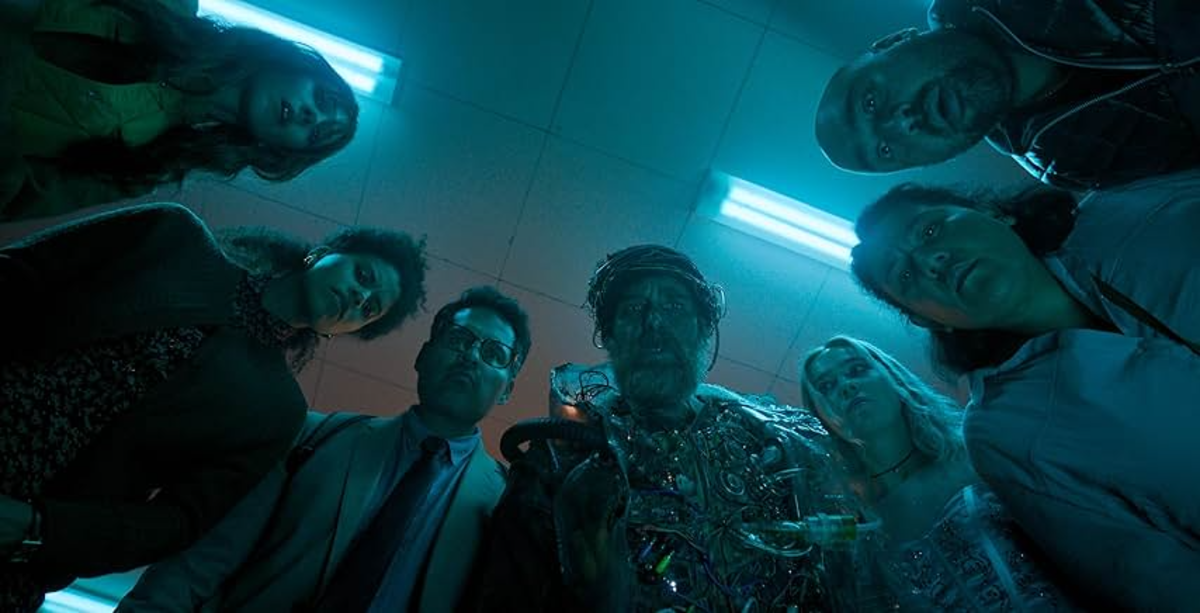
The setup is simple. A man from the future walks into a Los Angeles diner at 10.10pm and announces that he is here to save the world. He needs a specific combination of random patrons to help him stop a rogue artificial intelligence from taking over civilisation. The catch is that this is not his first attempt.
Chaotic good, as expected
Rockwell really portrays chaotic good very well. At this point, it almost feels like standard practice for him. He is known for playing men who are slightly unhinged but morally grounded with such ease that you forget how difficult that balance is.
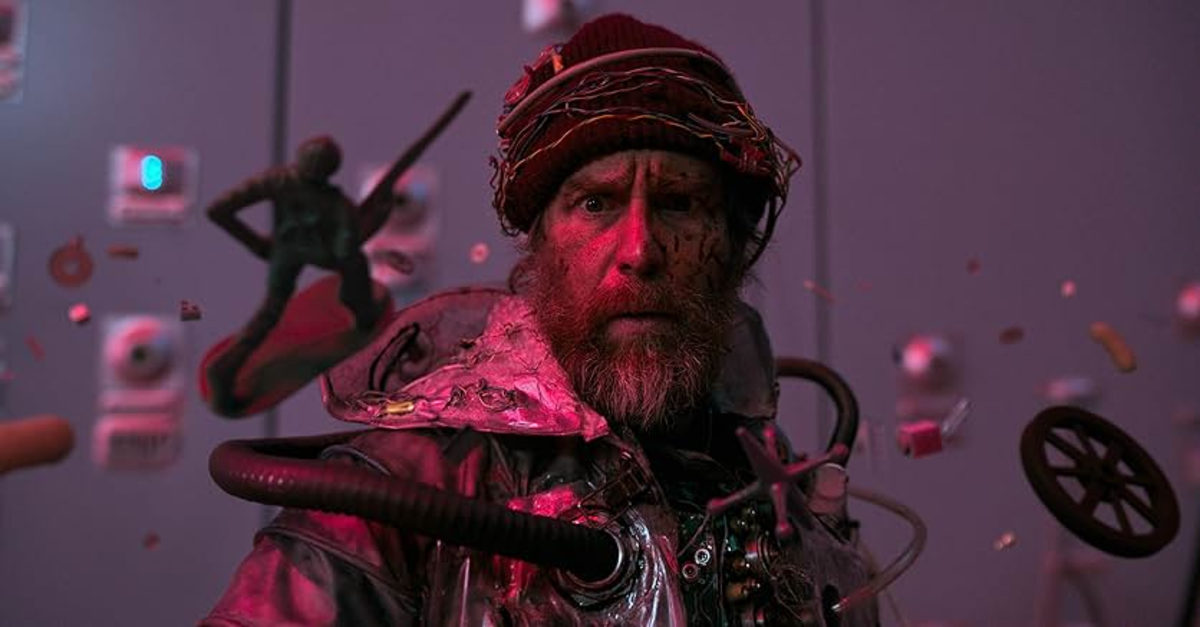
His character is intense, frantic and strangely sincere. There is a desperation to him that keeps the film from becoming too smug about its own cleverness.
The ensemble around him works well too. Everyone feels like a very specific type of modern person. A teacher overwhelmed by phone-addicted students. A grieving parent navigating tech-driven solutions to loss. A woman who physically cannot tolerate constant connectivity.
They are exaggerated, yes, but never cartoonish.
Anti-AI without boomer panic
Good Luck, Have Fun, Don’t Die is openly critical of artificial intelligence (AI), algorithms and generative content. But it never sounds like a scared boomer rant.
It does not argue that technology is inherently evil. It argues that blind dependence is dangerous.
The movie really shows the potential brain rot of endless algorithmic feeds, especially among younger generations. It depicts a society that is gradually becoming less empathetic. Side characters often feel distant and vaguely human-like, as if real life has been filtered too many times.
It is funny in how extreme it goes. It is also eerie in how close it feels to reality.
Calling out modern America
Beyond AI, Good Luck, Have Fun, Don’t Die also gestures toward wider social issues in America. There is a sense of collective desensitisation. Tragedy feels processed, packaged and moved on from at alarming speed. People are not shocked anymore. They are numb.
Verbinski has always used genre to comment on modern anxieties. A Cure for Wellness (2016) explored obsession with immortality. The Ring (2002) turned technology into a literal curse. Here, the threat is more systemic. It is not just one evil machine. It is a culture that allows it to flourish.
Controlled chaos
Structurally, it is interesting that the film feels Groundhog Day-esque but starts mid loop. We do not see the other timelines. We just hear about them. It adds to the exhaustion. This has happened 116 times before. It will probably happen again.
Some elements are intentionally unexplained. Certain creatures, visions and technological leaps are left ambiguous. You can overthink the logic if you want to. Or you can sit with the larger question the film keeps pushing.
Are we comfortable letting algorithms dictate what we see, enjoy and value? Are we willing to trade empathy and attention for convenience and curated feeds?
Messy but sharp
Not everything lands perfectly. A few character arcs feel predictable. Some narrative beats feel almost too convenient. But a lot of what happens genuinely feels unlike anything else in recent sci-fi comedies.
Most importantly, it does not feel cynical for the sake of it. Underneath the absurdity is a sincere anxiety about where we are heading and whether we still have agency.
Good Luck, Have Fun, Don’t Die is ridiculous, chaotic and occasionally messy. It is also bracingly relevant.
Absurd, yes.
But uncomfortably plausible.
READ MORE:
Sandiwara review: Michelle Yeoh’s many faces
Send Help review: Sam Raimi returns to horror with twisted island thriller
Movie review: No Mercy for Chris Pratt
Anaconda reboot has no fangs, just jokes



