




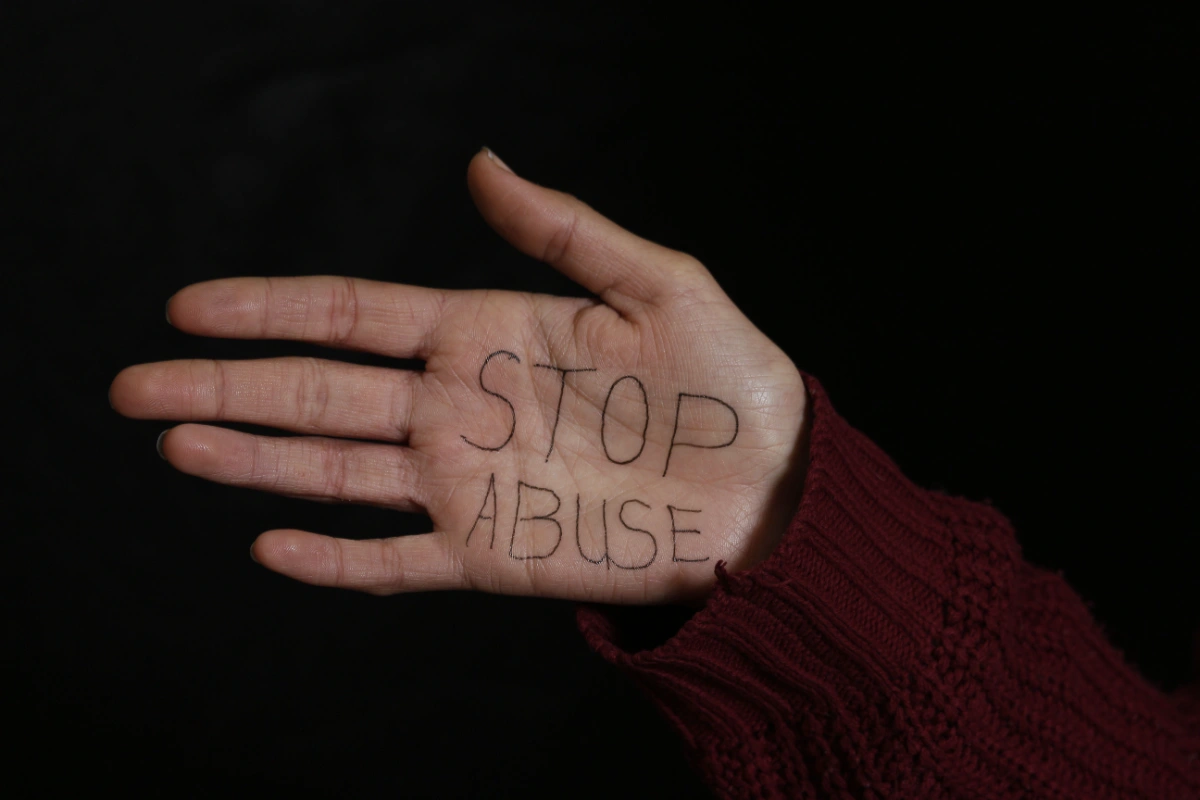
OSCC reports a troubling rise in abuse and violence cases, with 12,906 recorded in 2025, up from 9,652 in 2020.
KUALA LUMPUR: The number of abuse and violence cases handled through the One Stop Crisis Centre (OSCC) climbed to 12,906 in 2025, compared with 9,652 cases in 2020, highlighting a worrying trend.
Deputy Chairman of the Parliamentary Special Select Committee on Women, Children and Social Development Rodziah Ismail said the sharp increase, which reached a five-year high, reflected the growing scale of violence and abuse cases and showed that victim protection was a wider societal issue.
She said the matter should now be viewed as a public health, social protection and community safety issue requiring coordinated and comprehensive action.
“Physical abuse still accounts for the highest number of cases, but the significant rise in sexual abuse cases, from 2,699 in 2020 to 4,258 in 2025, is a worrying trend.
“This shows that protection systems, early detection and intervention measures for victims of sexual violence must be strengthened urgently,” she said during a briefing on improvements to OSCC at the Dewan Rakyat today.
The Ampang MP said female victims remained higher in number, with 10,176 cases in 2025 compared with 2,730 male victims, while sexual abuse cases involved 3,852 women and 406 men.
Rodziah said domestic violence was the largest category of OSCC cases in 2025, accounting for almost 60% with 7,689 cases, while more than half involved spouses as perpetrators.
She said the committee’s review of seven hospitals with OSCC facilities highlighted several gaps, including delays in police action, inconsistent responses, weaknesses in post-treatment victim protection and shortages of Social Welfare Department (JKM) protection officers at some hospitals and in several states.
The committee proposes 10 recommendations to improve OSCC services, covering areas such as dedicated annual funding for operations and infrastructure, specialised management positions within relevant agencies, and the swift implementation of OSCC guidelines and an integrated data system.
The committee called on the police force to clarify procedures for cross-district and cross-state cases, ensure timely police attendance after hospital reports, and strengthen specialist training for officers handling sexual violence, domestic violence and child abuse cases.
Rodziah said the committee recommended amendments to the Child Act 2001, including the creation of dedicated assistant protection officer positions at hospitals with OSCC facilities, expanding JKM’s protection officer workforce, and improving case handling outside normal working hours.
She said awareness campaigns on domestic violence, sexual and child abuse, as well as the services provided by OSCC, should be stepped up to ensure greater public understanding of the centre’s role and accessibility.
“Our goal is not just to ensure victims receive hospital treatment, but to help them escape the cycle of abuse, access protection with dignity and begin their recovery journey in a safe environment,” she said.
Speaking during the briefing session, Teresa Kok (PH-Seputeh) said the increase in cases reflected the ongoing need for OSCC services, calling for government monitoring to include assessments of intervention outcomes, rather than focusing solely on statistics, and to address psychological care, JKM protection measures, and repeat cases of violence.
Dr Siti Mastura Muhammad (PN-Kepala Batas) urged the government to strengthen family institutions through a lifelong approach, including reviving the Lelaki Qawwam module to promote responsible male leadership.
She said post-marriage courses should be expanded to include counselling for young couples, regular household management sessions and targeted support for high-risk families.



