




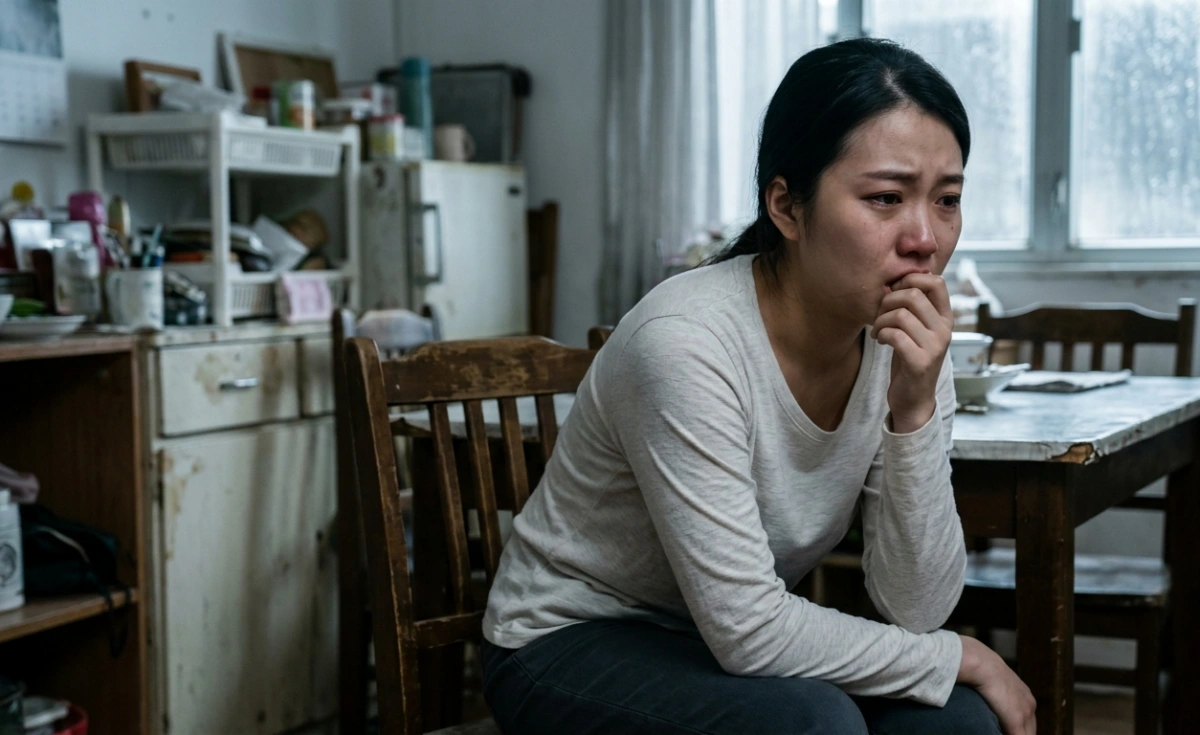
Silence on domestic abuse costs lives; stronger action needed to protect women and girls from violence at home and in public spaces.
PEOPLE often say that “home” is the safest place for women and children. But what happens when the very place meant to provide safety becomes the source of violence and trauma?
A recent case in Putrajaya, involving a young girl who was allegedly abused by her biological father until she became pregnant, has once again highlighted the devastating reality of domestic and sexual violence – an issue that many continue to turn a blind eye to.
How many more women must suffer before meaningful action is taken? Where can they turn when the very place that should protect them becomes a source of fear and harm?
Too many women and girls continue to lack adequate protection, especially those who have endured abuse and distress in their own homes from a young age. For them, safety cannot be assumed; it must be actively created and upheld.
Who can they turn to when they need to be heard? Too often, they are forced to suffer in silence, fearing blame, judgement or disbelief.
Even within their own “home sweet home”, many women and girls feel unable to speak out because they lack a safe and supportive place to seek help. Yet, women remain among the most common victims of sexual harassment and abuse, facing these threats in public spaces, workplaces, schools and even online.
For women who walk home late at night after long shifts, how can they protect themselves when they face the threat of harassment in the darkness?
The impact of these incidents extends far beyond the physical harm. Many survivors experience lasting fear, distress and emotional trauma that can affect their lives in the long-term.
Recently, a woman was reportedly molested by an unknown man while walking home from work in a residential area in Setia Alam.
According to Shah Alam police chief Sarudin Samah, investigations are ongoing as authorities continue efforts to identify and apprehend the suspect. Every woman deserves to feel safe wherever she goes. Addressing harassment requires more than law enforcement; it also requires public awareness and a culture that supports survivors rather than questioning them.
Here are some ways women can enhance their personal safety:
When walking home late after work, share your live location or travel plans with trusted family members or friends. Consider carrying a safety alarm to attract attention during emergencies.
Avoid isolated areas where possible and choose well-lit, busier routes. If you feel you are being followed, move towards an open public space with other people and seek help.
Report cases of sexual violence or harassment to the police, especially when there is physical harm or immediate danger.
If you are unsure where to seek support, reach out to organisations such as the Women’s Aid Organisation through their helplines or WhatsApp services for assistance.
You can also contact Talian Kasih 15999, a 24-hour hotline that provides support and counselling services for vulnerable groups, including women and children experiencing domestic violence or other crises.
Every woman should know that harassment is never the victim’s fault and is never something to be ashamed of. Everyone deserves the right to speak about their fears and seek help without judgement.
Together, we can build a society where women can feel safe, respected and protected. My heart goes out to the girls who lost their innocence too soon and the women who continue to carry these wounds in silence.
Nadzirah Amalia
City University Malaysia
Cyberjaya



