




Experts say grassroots discontent and electoral realities expose tensions, but lack of alternatives keeps party anchored in government
PETALING JAYA: Malaysia’s Unity government is holding, but signs of strain are beginning to surface. Rising tensions within Umno and friction with coalition partners such as DAP are testing the government’s cohesion, analysts said, even as the alliance remains structurally intact.
Universiti Malaya socio-political analyst Prof Datuk Dr Awang Azman Awang Pawi said that while disagreements are increasingly visible, the coalition continues to endure.
“Umno’s internal tensions and its public disagreements with partners such as DAP are not new, but are to be expected in a broad coalition that brings together parties with differing ideological positions.
“While rhetoric on both sides can at times appear uncompromising, there remains a strong shared interest in preserving government stability, particularly to avoid another cycle of political upheaval. Pragmatism, rather than sentiment, continues to underpin the coalition.”
The growing unease among Umno’s grassroots over the party’s role in the Anwar Ibrahim-led government is beginning to influence internal discussions. Yet Awang Azman said this dissatisfaction has not translated into a unified or decisive push for withdrawal.
“Umno’s leadership remains constrained by electoral realities and the absence of a credible alternative coalition that can guarantee both power and stability.”
He said recent local-level disputes have also brought underlying tensions to the surface. For instance, Umno Puchong’s decision to sever ties with DAP over remarks by MP Yeo Bee Yin made headlines, which Awang Azman described as largely symbolic.
“It reflects local frustrations and identity politics rather than a coordinated national strategy. At this stage, there is no clear evidence that the move represents a widespread or organised trend across Umno divisions. Nevertheless, it signals persistent grassroots discomfort that the leadership cannot afford to ignore.”
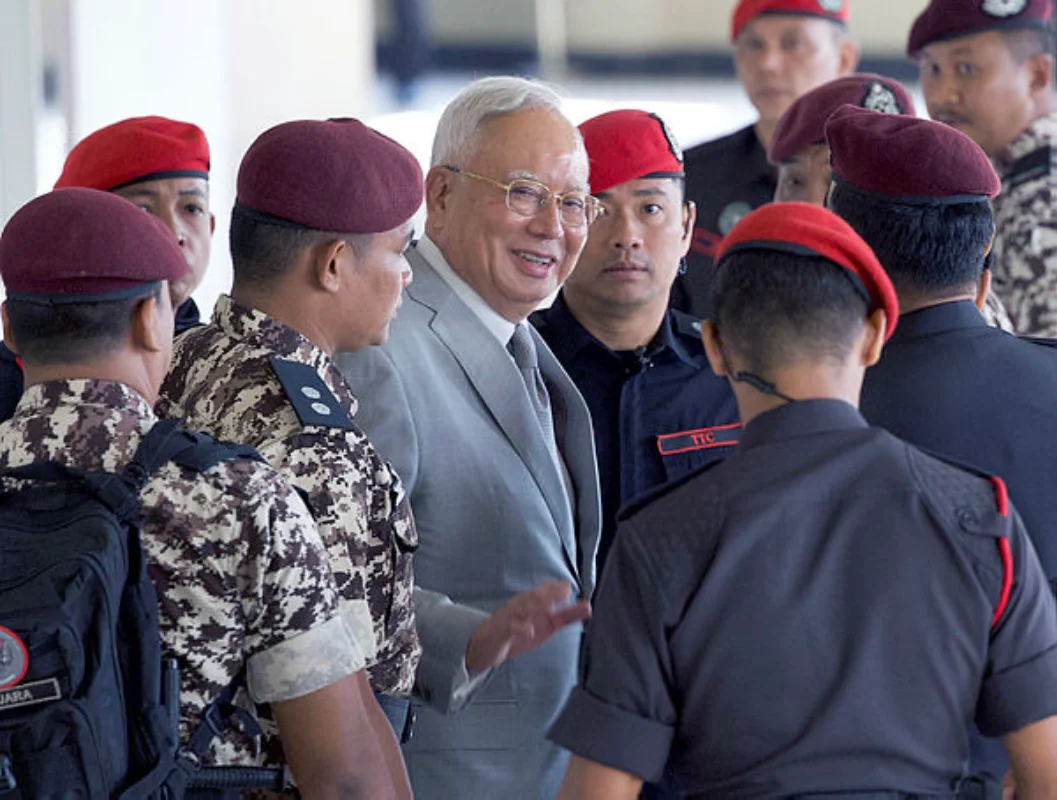
The Dec 26 conviction of former prime minister Datuk Seri Najib Abdul Razak (pic) in the 1MDB case added another layer of strain.
The High Court found him guilty on four counts of abuse of power and 21 counts of money laundering involving nearly RM2.2 billion.
The verdict has dominated Umno’s internal discourse over the past week, with party leaders defending Najib while also debating Umno’s position within the government. Awang Azman said the conviction did not create new fractures within the party, but instead exposed and accelerated existing ones.
“The party has long been divided between loyalty to past leadership, reformist impulses and survivalist pragmatism. These divisions were already entrenched and to some extent inevitable, given Umno’s post-2018 trajectory.”
Despite these internal strains, International Islamic University Malaysia political analyst and Iseas–Yusof Ishak Institute fellow Assoc Prof Dr Syaza Shukri said the coalition is expected to hold.
“I believe the government is more or less stable because the numbers are there. What is under stress is the narrative war – what the government can or will do. Whatever it decides will not satisfy everyone. Yet the government endures because the top leadership maintain good relations,” she said.
Calls by Umno figures such as Dr Akmal Salleh and Tan Sri Tengku Razaleigh Hamzah to reconsider the party’s role in the Unity government, Syaza added, underline Umno’s continued leverage within the coalition.
“It’s more about signalling that Umno should not be taken for granted. It is a constant reminder to Pakatan Harapan that this is a transactional relationship,” she said.
For now, both experts agree that the likelihood of Umno exiting the Unity government remains low.
Syaza noted that the political cost of leaving would outweigh the benefits of staying.
“It is about managing pressures so that Barisan Nasional can secure what it wants from the partnership. Of course, the relationship is likely to be recalibrated as GE16 approaches,” she said.
Maintaining stability, added Syaza, will depend on clear messaging, strong internal party management and the ability to deliver tangible benefits to the public.
“Coordination is key. Umno must communicate the benefits of being in government and ensure delivery on the ground so supporters can accept the BN–PH partnership despite the legal drama.”



