




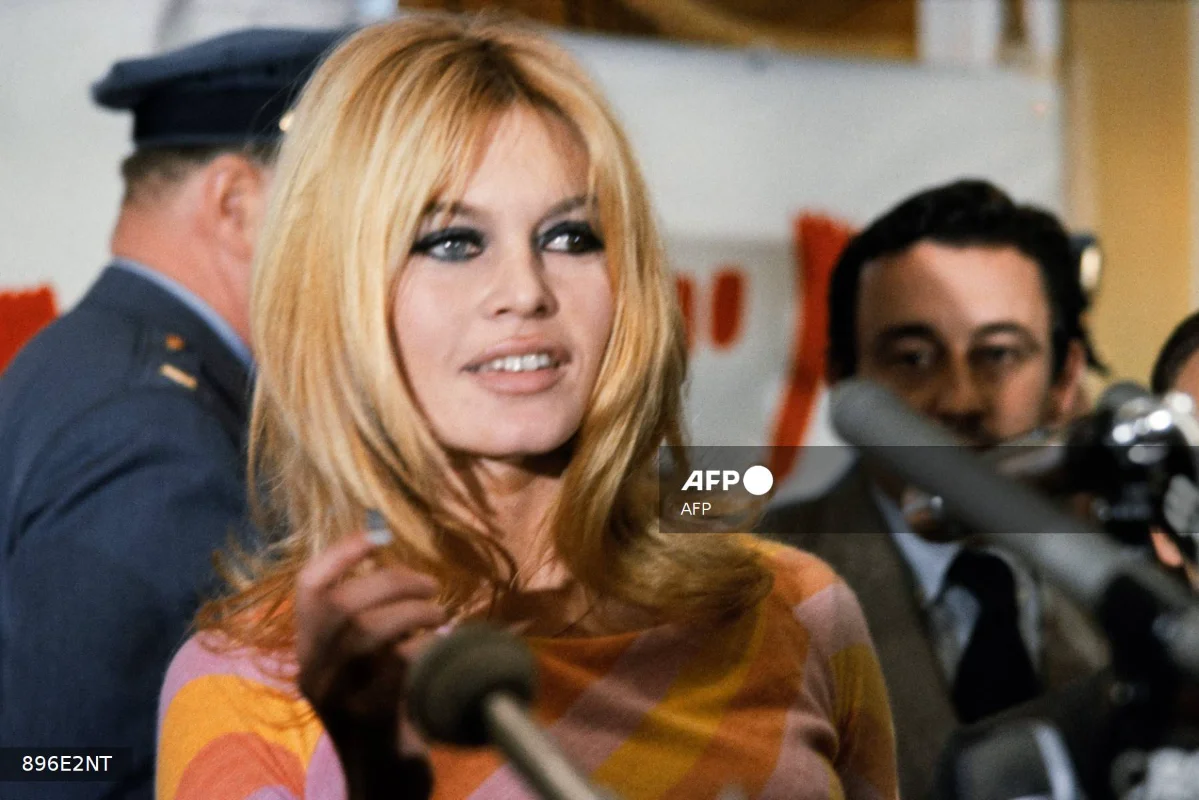
Brigitte Bardot, the 1950s French sex symbol, abandoned fame at 40 for animal activism, later courting controversy with far-right views
PARIS: Brigitte Bardot was the ultimate sex symbol whose voluptuous figure and libertine lifestyle sent tremors through the straitlaced 1950s. She soon tired of the male gaze and walked away from it all to care for animals.
In the early days, her curves, kohl-rimmed eyes and pout were plastered on French film posters. The actor known widely by her initials BB drew comparisons with Marilyn Monroe.
From one day to the next in 1973 she turned her back on celebrity to look after abandoned animals. She said she was “sick of being beautiful every day”.
In her brief film career, Bardot enjoyed a string of popular successes without garnering much critical acclaim. Most of her 50-odd films were fun but forgettable flops, with a few exceptions.
In 1956 she set the screen alight as an 18-year-old in a love triangle in “And God Created Woman”. The film was directed by her then husband Roger Vadim.
Vadim’s promise that the young dancer would become “the unattainable fantasy of all married men” proved prescient. A scene of unbridled sexual energy, in which Bardot dances a mambo in a flowing skirt slit to the waist, sealed her film goddess status.
Seven years later, her role in Jean-Luc Godard’s “Contempt” also resulted in scenes that became part of cinema folklore. Godard created a montage of her limbs as she lay in bed with her husband, asking him which part of her body he liked best.
“Queen Bardot stands there where morality ends,” French author Marguerite Duras wrote in 1958. “She does as she pleases, and that is what is disturbing,” philosopher Simone de Beauvoir declared a year later.
Far from revelling in her role as libertine, Bardot struggled with objectification. On her 26th birthday in 1960 she attempted suicide.
“I knew my career was based entirely on my physique,” she explained in 1978. “So I decided to leave cinema just as I have always left men: first.”
Animal activism became the dominant feature of her life after film. She retreated to the French Riviera resort of Saint-Tropez at the age of just 39.
In a 2011 letter to conservation group WWF, Bardot recounted her life-changing visit to Canada in the 1980s. She witnessed its annual seal cub culls.
“I will never forget these pictures, the screams of pain, they still torture me but they have given me the strength to sacrifice my whole life to defend the animal’s one,” she said.
In 1986 she set up the Brigitte Bardot Foundation dedicated to animal protection. She has crusaded for baby seals and elephants and called for the abolition of ritual animal sacrifice.
In later decades Bardot veered to the far-right, increasingly prone to disparaging remarks. This led to five convictions for inciting racial hatred against gays, Muslims and immigrants.
In her 2003 book “A Cry in the Silence”, she warned against the “Islamisation of France”. In the 2012 and 2017 presidential elections she publicly supported far-right leader Marine Le Pen, whom she called the “Joan of Arc of the 21st century”.
Bardot continued to shun the fashion and film worlds long after her retreat. She was frequently outspoken against the wearing of fur and proudly refused plastic surgery.
In the whirlwind of the Harvey Weinstein scandal that unravelled in 2017, she again swam against the tide. She hit back at the #MeToo campaign which denounced the abuse of women.
“The vast majority are being hypocritical and ridiculous,” she told Paris Match in 2018, referring to the actresses who had come forward. “Lots of actresses try to play the tease with producers to get a role. And then, so we will talk about them, they say they were harassed.”



