




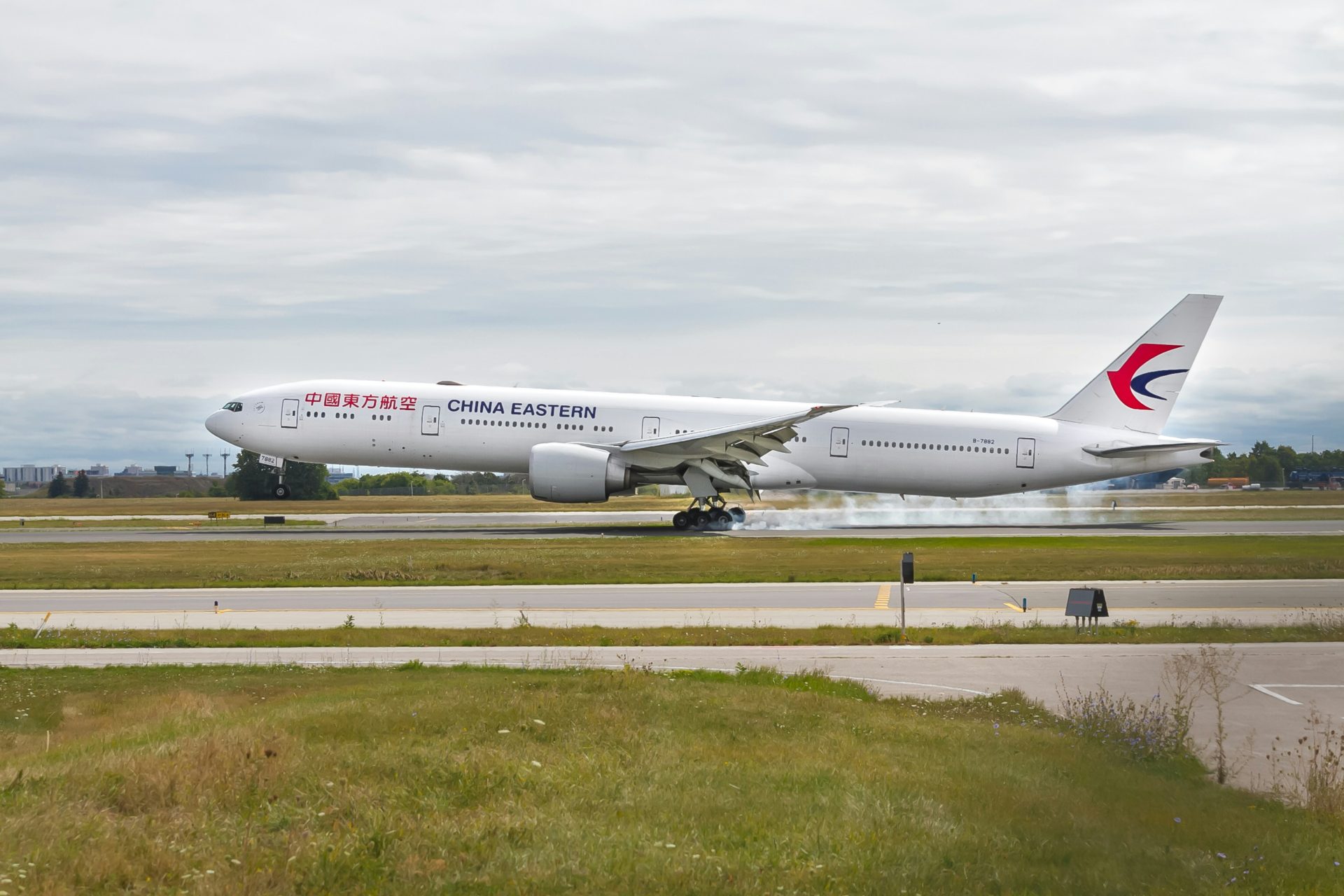
HONG KONG: China’s biggest airlines are entering the peak summer travel season facing a tougher outlook after warning of heavy first-half losses, as weakening passenger demand and persistently high fuel costs cast doubt on their ability to return to profitability during the industry’s busiest travel period.
Air China, China Eastern Airlines and China Southern Airlines all warned on Tuesday that they expected combined first-half net losses of up to 9 billion yuan (RM5.4 billion), marking a sharp reversal from their combined first-quarter profit as stronger Lunar New Year travel demand faded and rising fuel costs squeezed margins.
The expected losses underscore the dilemma facing Chinese airlines: raising fares to offset higher fuel costs risks further weakening passenger demand, while keeping ticket prices low forces carriers to absorb the additional expense, putting further pressure on already thin profit margins.
Parash Jain, HSBC’s global head of transport and logistics research, said a “negative wealth effect” was reshaping Chinese consumer behaviour as slower economic growth made households more cautious about spending, meaning even modest airfare increases risked dampening travel demand.
“Rising ticket prices are hurting demand and encouraging more people to switch to high-speed rail, especially for shorter journeys,” Jain said. He added that adverse weather and a smaller school-age population were also weighing on summer travel demand, but stressed that higher airfares remained the biggest factor. “The single largest reason for weaker demand is the increased ticket prices,” he said.
HSBC analysts expect China’s three largest airlines to record combined losses of about 16.8 billion yuan in 2026, a sharply more pessimistic forecast than the current market consensus, which points to a combined profit of around 1.3 billion yuan. The wide gap reflects growing concerns that weak passenger demand, elevated fuel costs and pressure on ticket prices will continue to weigh on the carriers’ earnings.
Air China said in a stock exchange filing that elevated fuel prices had “drastically squeezed” airline profit margins.
Unlike many of their Asian rivals, Chinese airlines hedge only a small portion of their fuel purchases, leaving them more vulnerable to the surge in oil prices triggered by the Iran conflict. Although jet fuel prices have retreated from their second-quarter peak, they remain about 50% above pre-war levels, continuing to put pressure on airline operating costs.
“Given that jet fuel normalization will take time, weak demand conditions are likely to remain the key concern heading into the summer peak season,” Bank of America analysts said in a note.
The third quarter is traditionally the most profitable period for Chinese airlines, supported by strong summer holiday demand. However, aviation data firm Flight Master expects passenger traffic on domestic and international routes to fall 3.6% from a year earlier to 142 million travellers in July and August, which would mark the first peak-season contraction since 2022.
Early traffic data also points to a weak start to the summer travel season. From July 1 to 14, average daily flights fell 2.2% from a year earlier, with domestic flights down 1.8% and international flights declining 3.6%, according to Flight Master.
Economy-class fares averaged 831 yuan during the period, down 1.2% year-on-year and 6.1% below 2019 levels, suggesting airlines have had limited scope to raise ticket prices despite higher operating costs.
China’s domestic passenger demand contracted 6.2% in May from a year earlier, according to the International Air Transport Association, marking the weakest performance among the world’s major domestic aviation markets. It was also the first monthly decline in China’s domestic air travel since the pandemic that was not attributed to shifts in the timing of the Lunar New Year holiday.
The three biggest Chinese airlines, which generate about 30% of their revenue from international services, initially benefited from a surge in demand on European routes after the Iran conflict disrupted flights through major Middle Eastern hubs.
However, Flight Master data shows those gains are beginning to fade as Gulf carriers gradually restore services and lure passengers back with lower fares. – Reuters



