




Table of Contents
Joji looks inward with Piss in the Wind
AFTER three years away from releasing new music and a clean break from his former label, Joji returns with Piss in the Wind, an album that finally feels grounded in his own identity again.
For longtime fans, that sense of familiarity will be welcomed, especially after a period where his music felt increasingly distant from the artiste many first connected with.
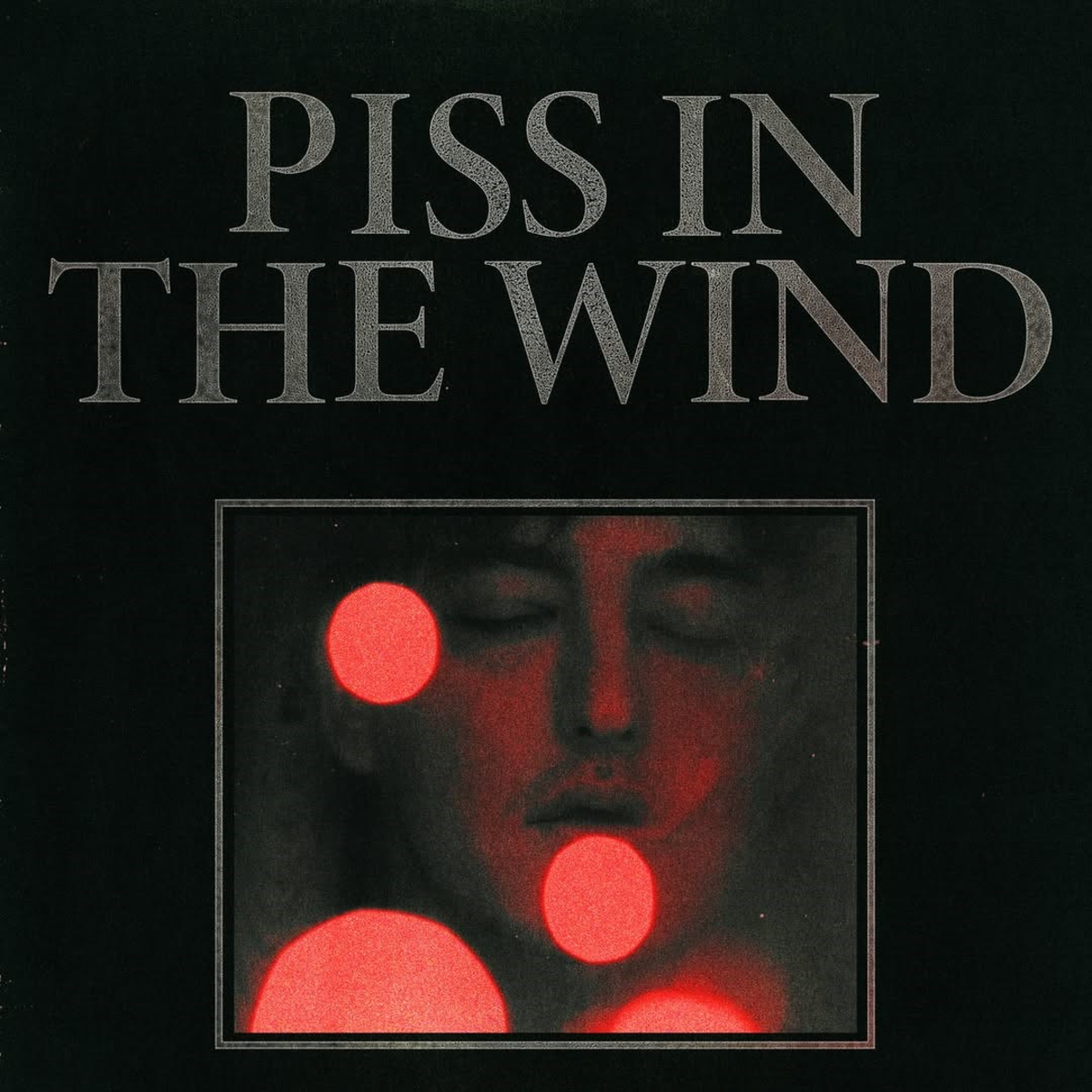
This is his fourth studio album and his first release under Palace Creek, following his departure from 88rising.
There is a noticeable change in tone and presence here, with Joji sounding more involved in every part of the record. His vocals are stronger and more assured – and the emotional throughline feels clearer than it did on Smithereens, which often came across as fragmented and oddly detached.
Return to familiar territory
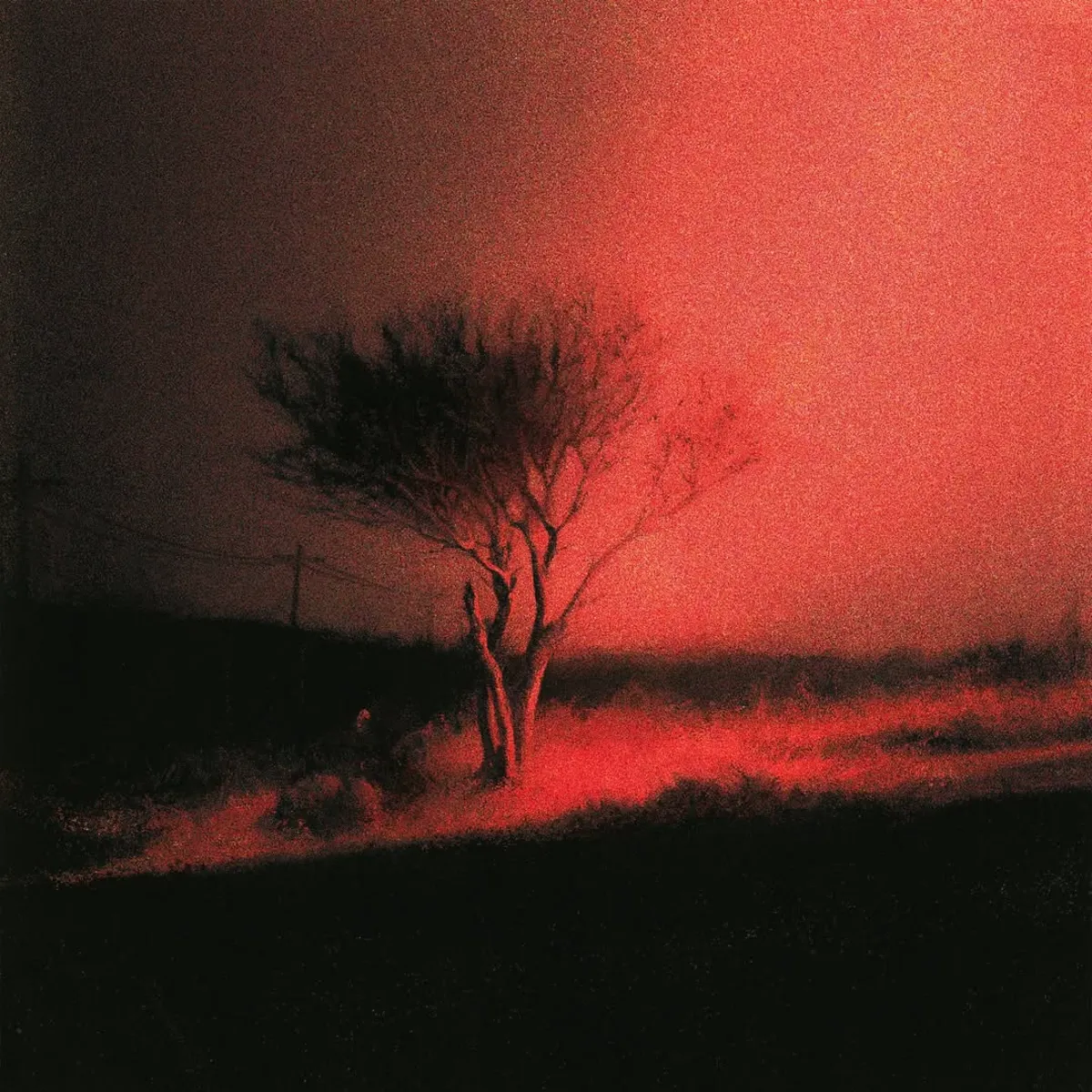
There is an immediate comfort to the album’s sound. The minimal, saturated lo-fi aesthetic echoes Ballads 1, built on soft piano lines, hazy beats and vocals that sit close in the mix. It does not aim to reinvent Joji’s style, but instead leans into the elements that defined his earlier work.
This approach gives the album a cohesive mood, even when individual tracks are brief. Themes of emotional fatigue, longing and quiet resignation run throughout the tracklist, reinforcing the feeling of an artiste circling familiar thoughts rather than chasing new concepts.
Standout moments
At its strongest, Piss in the Wind delivers moments that rank among Joji’s better work. Past Won’t Leave My Bed stands out immediately. Anchored by a heavy, somber piano progression, the track captures emotional exhaustion without overstating it. Joji’s restrained vocal delivery allows the weight of the lyrics to settle naturally.

The song’s found-footage style music video adds another dimension, pairing risky and chaotic imagery with such a gentle track. That contrast lingers long after the song ends and highlights Joji’s continued interest in visual storytelling.
Hotel California is another highlight, partly because of its misdirection. Despite the familiar title, it is not a cover of the Eagles but an atmospheric original that slowly pulls the listener in.
Love You Less also leaves a strong impression, driven by swirling guitars and a textured instrumental that nods to shoegaze and dream pop while staying firmly within Joji’s emotional wheelhouse.
Strong production, uneven pacing
Production across the album is consistently high quality. There is a strong focus on mood and texture, creating an immersive listening experience. At times, however, that same focus becomes limiting. Several tracks feel intentionally hazy and subdued, but many are also very short.
More than a few songs feel incomplete, as if ideas are introduced but never fully explored before the track fades out. While this contributes to the album’s relaxed flow, it also reinforces a sense of missed potential.
That unevenness is familiar territory for Joji. As with his previous albums, some genuinely strong songs are surrounded by tracks that blur together. The album is easy to listen to, but it can also drift into the background, especially when played front to back without breaks.
Singles versus deep cuts
The pre-release singles arguably set expectations the album does not fully sustain. Pixelated Kisses, Love You Less, Past Won’t Leave My Bed and If It Only Gets Better remain among the strongest moments here. In comparison, several deeper cuts feel lighter and less memorable, which may leave some listeners wishing the quality was more consistent across the tracklist.
Guest appearances from Giveon, 4Batz, Yeat and Don Toliver add variety without overpowering the album. The focus stays on Joji throughout, which suits the introspective nature of the project and reinforces the feeling of a very personal release.
Final verdict
Ultimately, Piss in the Wind is a solid if uneven return. It does not break new ground, but it shows Joji sounding more comfortable and confident than he has in recent years.
It feels like an artiste reconnecting with his strengths while still testing ideas around the edges.
For fans who missed the emotional pull of Ballads 1, this album will feel reassuring. For others, its softness and lack of urgency may make it easy to overlook.
READ MORE:
Album Review: Don’t Be Dumb marks A$ap Rocky return
Tame Impala explores fatherhood in new album Deadbeat
Sabrina Carpenter desensitise pop in latest album Man’s Best Friend



