



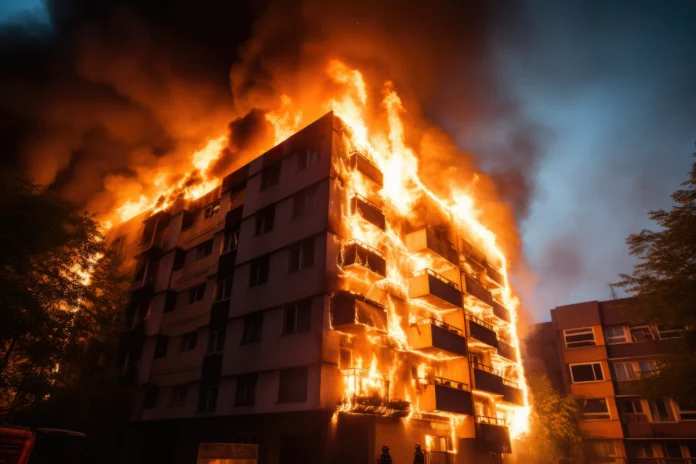
Experts explain why house fires start, how to reduce the risk and what to do when an emergency strikes
Table of Contents
HOUSE fires rarely begin with dramatic flames. More often, they start quietly through faulty wiring, an overloaded socket or a moment of inattention in the kitchen. By the time smoke or fire becomes visible, escape time may already be limited.
Fire safety experts said many Malaysian households remain under-prepared, with risks compounded by building design, poor maintenance and delayed detection.
What usually goes wrong
Electrical faults remain the most common trigger of house fires.
“Electrical faults are the top cause, including overloading, damaged wiring, old extension cords, loose sockets and non-certified appliances,” Fire Fighter Industry chief innovation officer Brian Soo told theSun.

Cooking-related incidents are also frequent, particularly unattended stoves and overheated oil. Open flames from candles and mosquito coils add to the risk in enclosed spaces.
“One very important thing most people do not realise is that using water on an oil fire will make the fire bigger and spread it further. Using a fire blanket is the most effective way to choke the fire of oxygen and put it out,” Soo added.
Beyond appliances, Universiti Teknologi Mara (UiTM) Perak Built Environment Faculty Associate Professor Dr Adnin Syaza said modern living patterns and interior choices can worsen fire risk.
She pointed to open-plan layouts that allow fire and smoke to travel rapidly due to the lack of internal barriers. Flammable furnishings such as heavy curtains can also accelerate fire spread.
“Continuous charging of devices such as power banks, mobile phones and electric vehicle chargers, especially when left unattended or placed on beds, has been linked to fires,” she said.
Unapproved renovations present another danger.
“Removing fire-rated walls or blocking escape routes during renovations can significantly raise fire risk,” she said.
From a structural and regulatory perspective, UiTM Puncak Alam Built Environment Faculty Associate Professor Dr Rumaizah Mohd Nordin said electrical and building conditions often determine how quickly a fire escalates.
“About 60% of house fires in Malaysia are caused by unsafe electrical wiring or electrical appliances,” Rumaizah said.
What actually helps
Experts agreed prevention does not require expensive systems but it does require early detection and basic planning.
“The majority of fire-related deaths are due to smoke inhalation, not burns,” Soo said.
Because of this, he stressed the importance of smoke detectors.
“A smoke detector alerts occupants early and if the fire is still small, it can be put out using a fire extinguisher,” he said.

Rumaizah said many homes lack even these basic measures.
“Most houses do not have smoke detectors, fire extinguishers or any form of emergency evacuation planning,” she said.
Adnin added that how a home is arranged can affect survival.
“Escape routes are often blocked by furniture or used as storage, which makes evacuation difficult during an emergency,” she said.
She also warned about fixed window grilles.
“Grilles are installed for security but without an emergency opening mechanism, they can trap occupants inside during a fire,” she said.
Other preventive steps include separating kitchens from sleeping areas, maintaining clear exit routes, ensuring electrical systems are fitted with safety devices such as circuit breakers and residual current devices – and checking wiring every 10 to 15 years.
What to do during emergency
When a fire breaks out, the first few minutes are critical.
“The most important action is to get out immediately and make sure everyone else is out,” Rumaizah said.
Soo outlined the actions occupants should prioritise.
“Alert everyone immediately, get out fast without collecting belongings, close doors behind you to slow the fire, and call the fire department once you are safely outside,” he said.
Attempting to fight a fire without training can be dangerous.
“People often try to fight a fire that is already growing, go back inside to retrieve valuables, use water on electrical or oil fires, open windows which feed oxygen to the fire, or hide instead of evacuating early,” Soo said.

Adnin said panic and poor decisions often worsen outcomes.
“Some occupants hide in rooms or re-enter burning buildings to retrieve documents, which increases the risk of smoke inhalation,” she said.
Once outside, occupants should not re-enter the house under any circumstances.
Final reminder
Despite repeated incidents, complacency remains common.
“Most households are under-prepared because they believe it will never happen to them until it does,” Soo said.
Adnin said fire safety must be viewed beyond enforcement alone.
“Fire safety involves building design, proper maintenance and the behaviour of occupants,” she said.
Early detection, clear escape routes and immediate evacuation, experts stressed, save far more lives than attempting to fight a fire once it has taken hold.



