




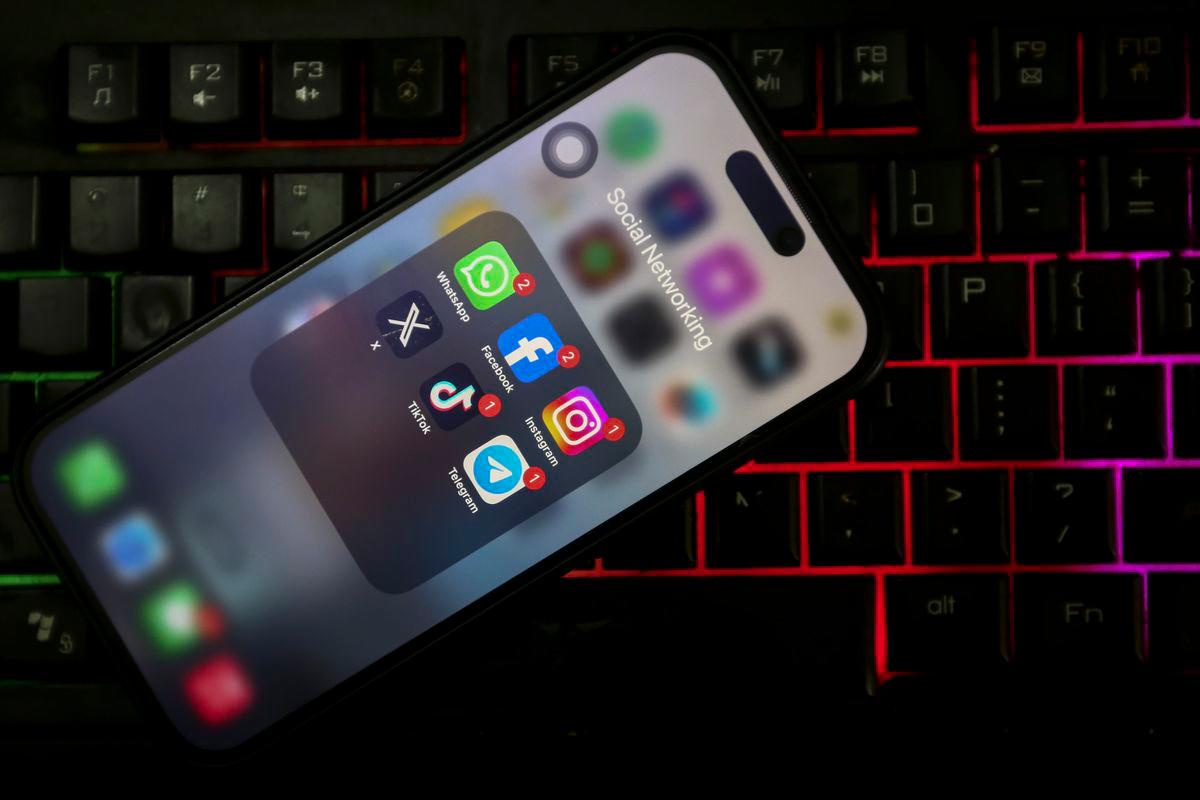
PETALING JAYA: Social media has become the go-to source for mental health advice for many young people, but experts warn that the same platforms that raise awareness also risk fuelling myths and harmful content that endanger vulnerable users.
Universiti Teknologi Mara Faculty of Communication and Media Studies senior lecturer Dr Hamizah Sahharon described social media as a “double-edged sword”, pointing out that nearly one in three TikTok videos on mental health contain misleading information that often spreads faster than facts.
“However, when content is created by professionals, social media can play a positive role in raising awareness, reducing stigma and providing community support.
“The challenge is to help youth tell the difference between myths and facts.”
Hamizah said while online peer groups and influencers can ease isolation and offer round-the-clock support, they can also create serious risks.
“Influencers often lack the training to provide safe, evidence-based guidance, making their advice risky in crisis or severe conditions.
“The safest approach is when peer support is integrated with professional oversight, ensuring that young people benefit from community and connection while still accessing expert care.”
She said one of the myths that persist online is the tendency to equate mental health solely with mental illness.
“Many young people overlook that it could also encompasses positive well-being. Others believe social media automatically causes depression or that any heavy use amounts to addiction, which oversimplifies the issue.”
Hamizah said misconceptions also include assumptions that all youths face cyberbullying or harmful content, when experiences vary widely.
“Many tie their self-worth to likes and comments or compare themselves with unrealistic beauty standards, which can harm self-esteem. These overgeneralisations ignore that social media, when used wisely, can also provide peer support and valuable resources.”
She said for many youths, going online feels safer and more accessible than turning to parents, teachers or doctors due to fear of stigma, cultural expectations or confidentiality concerns.
“Barriers such as fear of being misunderstood, concerns about confidentiality, cultural stigma around mental health and long waiting times for professional services often discourage them from seeking formal help.
“For many, the online environment feels like a safer first step to discussing issues that may be difficult to raise face-to-face.”
Hamizah stressed the need for parents, teachers and schools to guide youth towards credible resources, promote digital literacy and ensure privacy.
“When youths are involved in designing tools and supported by teachers or counsellors, interventions become more effective.”



