




Stronger El Nino could dramatically worsen Malaysia’s environmental crises, expert warns
PETALING JAYA: Malaysia’s environmental vulnerabilities – from transboundary haze and forest fires to flooding and biodiversity loss – will be dramatically amplified if a stronger El Nino event strikes, environmental experts have warned, cautioning that decades of ecological damage have left the country dangerously exposed.
National University of Singapore Southeast Asian Studies Department lecturer Dr Serina Rahman said El Nino impacts are intensified by long-standing environmental degradation, including peatland destruction, deforestation and unsustainable development.
READ MORE: The untold story of streaming algorithms
She warned that stronger El Nino conditions would increase haze risks, as damaged peatlands become increasingly vulnerable to fires.
Serina explained that peatlands store large amounts of water and organic matter, but drainage, river diversions and land clearing have lowered water tables, making them prone to underground fires during dry spells.
“Once peat dries out, even a small spark can ignite fires that burn beneath the surface. The smoke becomes haze that affects millions of people, and the only way to stop it is to flood the area,“ she said.
She said Malaysia has a long history of damaging peat ecosystems without fully recognising their ecological importance, increasing the country’s exposure to severe haze during droughts.
Beyond haze, Serina warned that drought-driven forest fires could severely damage biodiversity, threatening both plant and animal life.
“Animals that can fly or run may be able to escape, but many others cannot. Nesting birds, reptiles and smaller forest creatures often perish during such fires,” she said.
She added that the consequences extend beyond wildlife, affecting indigenous communities dependent on forests, while also raising risks of smoke inhalation and humanwildlife conflict near urban edges.
El Nino can equally trigger erratic weather on the opposite extreme, she noted, including heavy rainfall, floods and storms – particularly in areas where forests have been cleared or rivers altered.
Developments built within natural water retention zones, she warned, are especially vulnerable.
“These hazards are worsened by human activity, including rapid development, weak environmental planning and poor enforcement,” Serina said, adding that better protection of forests, rivers and peatlands could have substantially reduced such impacts.
On Malaysia’s preparedness for climate shocks, she acknowledged that agencies such as the National Disaster Management Agency have built experience handling floods and landslides over the past decade.
However, she stressed that public behaviour remains a critical gap, with clogged drains and low compliance with evacuation warnings continuing to worsen flood risks.
Serina also questioned whether Malaysia’s pursuit of economic growth has come at the expense of environmental sustainability, warning that weak political will and lax enforcement of environmental regulations would only deepen future climate impacts.
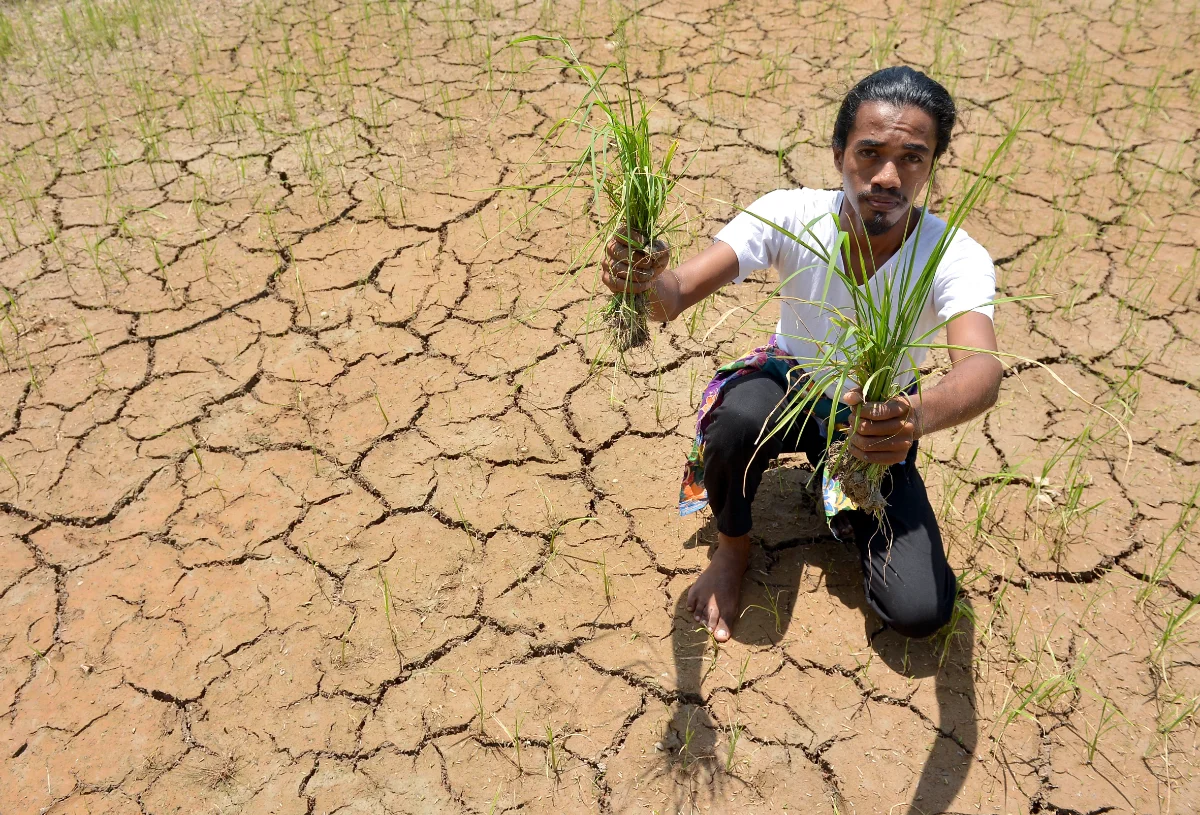
She said farmers and fishermen are among the most exposed to El Nino effects, with unpredictable weather threatening both livelihoods and food security.
“They are on the front lines of climate change. Droughts affect crops, while storms and rough seas endanger fishermen,” she said, adding that climate discussions often remain fixated on abstract mechanisms such as carbon markets, with little benefit reaching affected communities.
She also cautioned that assistance programmes frequently fail to reach the most vulnerable due to bureaucracy, lack of transparency and political interference, leaving the urban and rural poor – those with the fewest resources and weakest policy representation – as the first to bear the burden.
Looking ahead, Serina called on Malaysia to strengthen ecosystem protection, urging greater safeguarding of peatlands, forests and river basins, and pressing policymakers to move beyond “greenwashing” towards genuine conservation.
She also advocated for local and indigenous communities to be recognised as equal partners in environmental management.
Serina urged authorities to redefine development in a way that balances economic growth with environmental sustainability, backed by stronger enforcement, transparency and community participation.



