




Medication alone often fails, but combining exercise, cognitive training, and spiritual well-being unlocks lasting mental health recovery and resilience.
IN my daily clinical practice, I meet patients from diverse backgrounds who struggle with various mental health challenges. While medication and psychotherapy remain essential components of modern treatment, my experience shows that long-term and meaningful recovery often requires a broader approach—one that integrates physical activity, cognitive strengthening, and spiritual well-being.
This holistic model aligns with scientific evidence and reflects a universal principle shared across many cultures: a healthy life requires balance between body, mind, and inner well-being.
Physical Exercise: A Simple Intervention with Consistent Neurobiological Benefits
In recent years, scientific evidence has grown stronger in showing that physical exercise has a direct impact on brain function. Research highlights several mechanisms, including increased production of Brain-Derived Neurotrophic Factor (BDNF), reduced systemic inflammation, improved cerebral blood flow, and stabilisation of neurotransmitters such as serotonin and dopamine.
Clinically, I observe that patients who engage in moderate physical activity—such as brisk walking for 20–30 minutes a day—tend to experience more stable moods, better sleep, and improved motivation. These are not merely anecdotal observations; they are consistent with international guidelines that recognise exercise as an effective adjunct treatment for depression and anxiety.
Across many traditions, physical vitality is also seen as a foundation for emotional resilience and overall well-being. In essence, staying physically active benefits not only the body but also the mind.
Cognitive Training: Restoring Everyday Functioning
Many of my patients also experience cognitive difficulties—problems with attention, memory, processing speed, and executive functioning. These symptoms are not new, but they have historically received less attention. If left unaddressed, cognitive impairment often persists even after primary symptoms such as hallucinations or anxiety have improved.
This is where a specialised intervention known as Cognitive Remediation Therapy (CRT) becomes crucial.
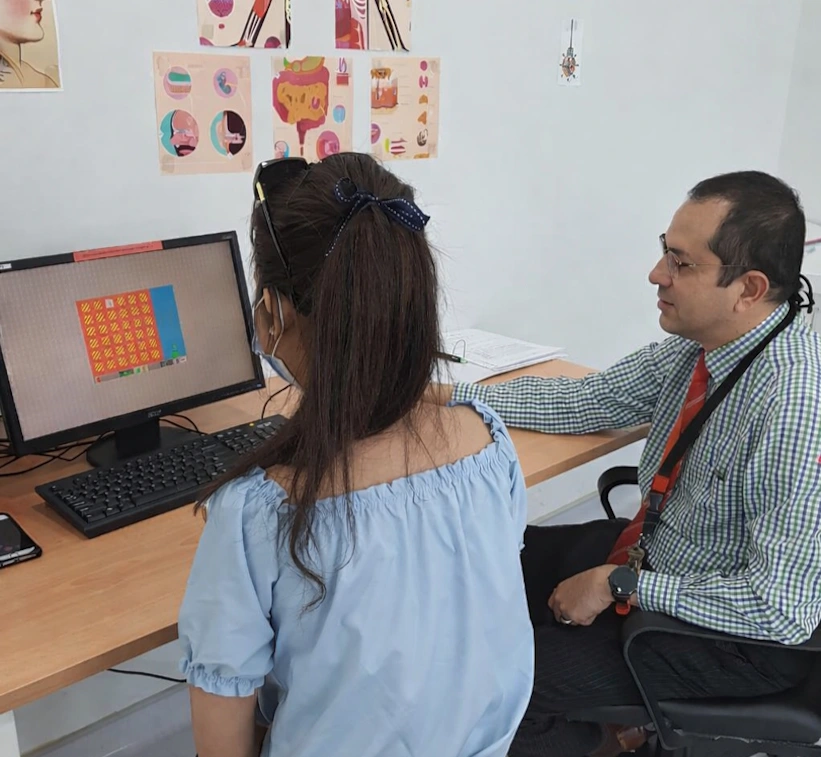
As someone directly involved in developing computer-based CRT modules in Malaysia, I have seen how this therapy enhances planning skills, strengthens working memory, improves problem-solving abilities, and helps patients return to work or studies.
CRT is not “just playing with computer games.” It is a structured intervention combining intensive cognitive exercises, metacognitive strategies, and real-life skill transfer.
At MSU Medical Centre, we use specialised software that allows the programme to be tailored to each patient’s cognitive profile.
What about people without mental health conditions?
Studies show that brain-training applications and cognitive exercises can also benefit the general population. Many assume that mentally challenging games or apps are merely recreational and a waste of time. In reality, when used correctly—consistently but in moderation—they can enhance cognitive performance and mental sharpness.
Supporting cognitive health is not only a clinical goal; it is part of maintaining one’s overall functioning in daily life, work, and relationships.
Spiritual Well-Being: Stabilising the Inner Self and Providing Meaning
In modern psychiatric practice, spiritual well-being is increasingly recognised as a protective factor. In Malaysia’s multicultural context, many patients—regardless of faith—find that spiritual practices help them manage stress, regulate emotions, and make sense of their recovery journey.
In clinical sessions, I do not provide religious instruction, but I encourage patients to maintain grounding practices that resonate with their beliefs—such as mindfulness, prayer, meditation, reflective reading, or breathing exercises paired with calming phrases. These practices help regulate the parasympathetic nervous system and promote inner calm.
For many individuals, engaging deeply in their spiritual routines—whether through prayer, meditation, chanting, or reflective reading—provides a powerful source of strength. It nurtures resilience, reduces stress, and brings a sense of peace and clarity during difficult times.
The Synergy Effect: When Physical, Cognitive and Spiritual Elements Come Together
When these three components are combined, I observe more consistent and stable improvements compared to when they are applied in isolation. This integrated approach enhances neuroplasticity, accelerates cognitive recovery, reduces negative symptoms such as apathy and low motivation, and strengthens psychological resilience.
It also reflects a universal principle found across cultures: true well-being requires the simultaneous care of body, mind, and inner life.
With rising mental health concerns in Malaysia, we need treatment models that are evidence-based, cost-effective, practical, and culturally adaptable. Physical exercise, cognitive training such as CRT, and spiritual well-being meet all these criteria.
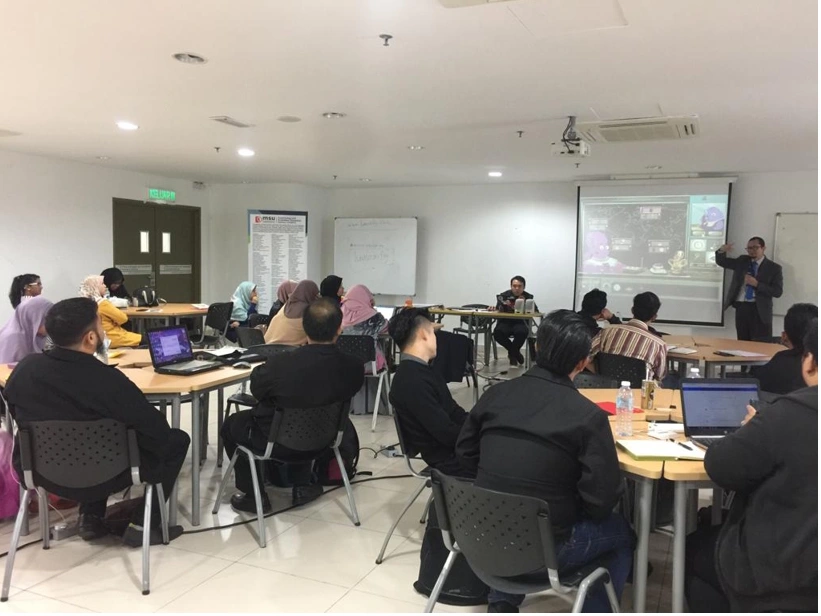
Institutions like MSU play an important role in expanding professional training and research in this field, including the development of CRT modules that I am directly involved in.
Conclusion
Mental health recovery requires more than medication alone.
- Physical exercise strengthens the body and stabilises brain chemistry.
- Cognitive training restores essential mental functions needed for daily living.
- Spiritual well-being provides calm, meaning, and emotional resilience.
When these elements work together, patients do not merely recover from symptoms—they regain the capacity to live with greater stability, purpose, and fulfilment.



