




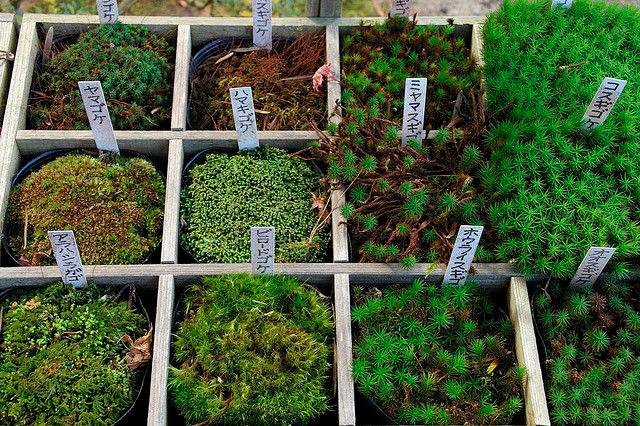
MOSSES possess remarkable properties despite their relatively small size. They can thrive in severe environments, from hot deserts to damp caves, and play a key role in biodiverse habitats across the globe.
Talking about moss, this plant is one of the oldest plant species on Earth, and has a wide and diverse range of varieties, with over 20,000 individual types. Despite the fact that many people find moss in their yard to be an annoyance, generally growing between cracks in concrete or detracting from the appearance of a lawn, moss has various uses, such as a ground cover, a filler for planters, and an alternative to grass, and also acts as a garden decoration.
Moss can be categorised into two groups; pleurocarpous and acrocarpous. There are several differences between these two groups.
Pleurocarpous moss has a spreading carpet-like growth habit, and are best-suited for rock gardens because they’re able to attach themselves to hard surfaces, while acrocarpous grow upright and grow in mounds rather than in carpets. Hence, they’re slower growing than pleurocarpous varieties.



