




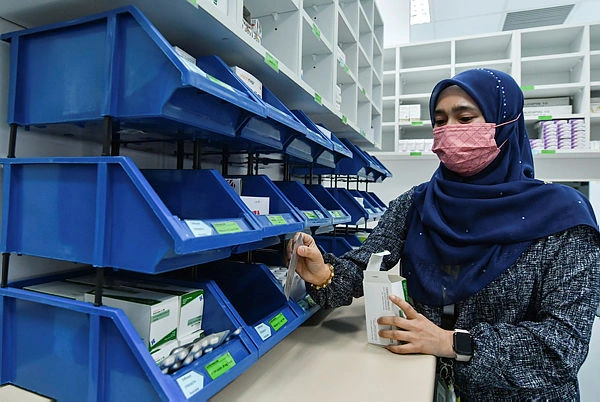
Malaysia’s medicine supply remains stable, with over 60% of monitored medicines having more than 90 days of stock, while import dependence declines.
PETALING JAYA: Malaysia’s medicine supply remains stable, with more than 60% of monitored medicines holding sufficient stock for more than 90 days, while the country’s reliance on imported medicines has also shown signs of declining, the Health Ministry said.
In a written parliamentary reply to Datuk Anna Bell @ Suzieana Perian (GRS), the ministry said monitoring conducted as of June 11, covering 833 medicine items registered by Product Registration Holders (PRHs), found that 62.2%, or 518 medicines, were classified as low risk, with stock levels exceeding 90 days.
Meanwhile, 15.4% (128 items) had sufficient supplies for between 60 and 90 days, while 22.4% (187 items) were categorised as high risk, with stocks expected to last for less than 60 days.
However, the ministry stressed that only 13 of the 187 high-risk medicines were classified as critical, with the next shipment expected to arrive in more than one month.
Despite this, stock checks at Health Ministry facilities found that supplies of these critical medicines remained under control and were sufficient.
The ministry said Malaysia continues to rely on imports for certain medicines, particularly innovative drugs, biologics and active pharmaceutical ingredients (APIs).
However, the country’s dependence on imported medicines has eased slightly.
Based on the ministry’s pharmaceutical procurement expenditure, 61.24% of the annual medicine allocation in 2025 was spent on imported pharmaceutical products, down from 64.27% in 2024.
“The trend reflects a gradual reduction in Malaysia’s dependence on imported medicines, in line with the government’s efforts to strengthen the use of locally manufactured pharmaceutical products without compromising the quality, safety and effectiveness of treatment,” it said.
The ministry added that Malaysia’s local pharmaceutical industry plays a significant role in supplying generic medicines to public healthcare facilities, including medicines for cardiovascular diseases, diabetes, bacterial infections and other essential treatments widely used across the public healthcare system.
As of July 7, a total of 27,920 medicines and health supplements were registered in Malaysia, of which 16,771 products (60%) were manufactured locally, while 11,149 products (40%) were imported.
To further strengthen medicine availability, the Pharmaceutical Services Programme will continue facilitating approvals for medicine registration and importation, subject to existing laws and regulatory guidelines.
Overall, the ministry said the country’s medicine supply remains stable, well managed and sufficient, adding that proactive measures will continue to ensure uninterrupted treatment for patients nationwide.



