




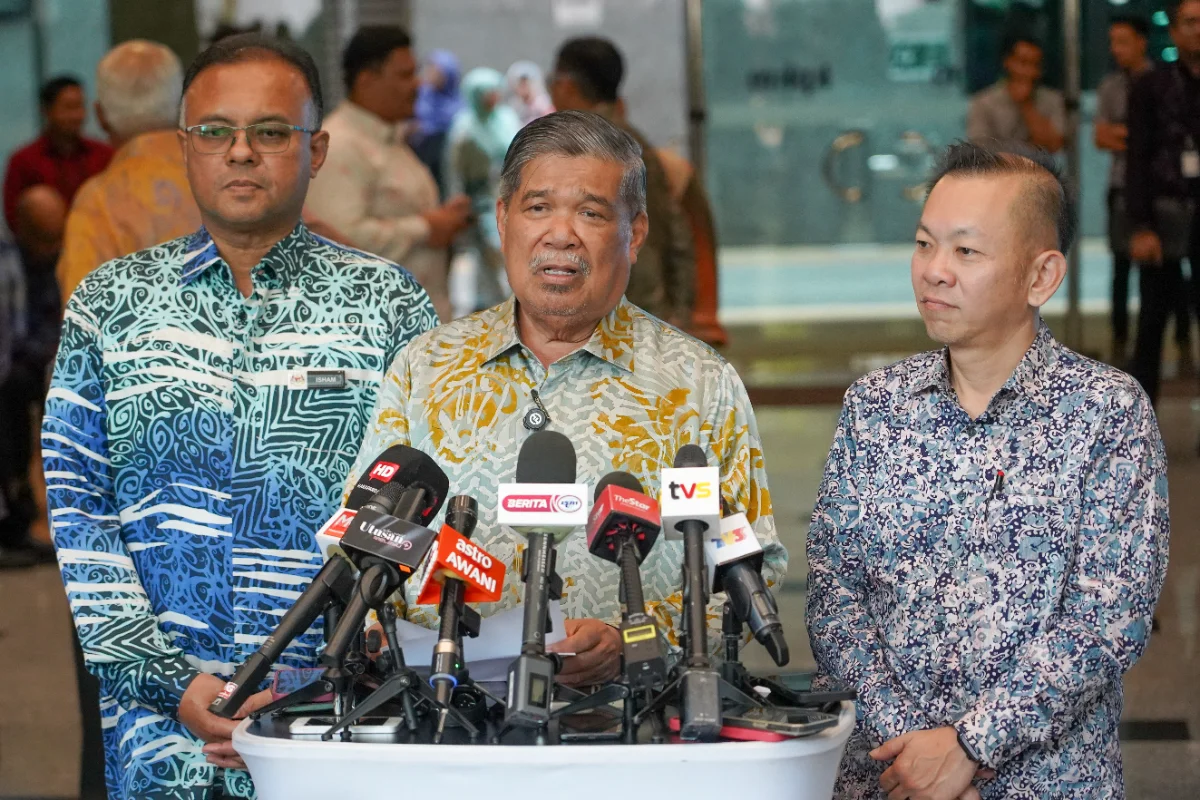
Malaysia’s food security remains stable, with no significant impact from the Middle East conflict, says Agriculture Minister
PUTRAJAYA: Malaysia’s food security remains largely stable for now, despite ongoing conflicts in the Middle East, said Agriculture and Food Security Minister Datuk Seri Mohamad Sabu.
When asked whether Malaysia’s food supply could be affected by the conflict in Iran and the Middle East, Mohamad Sabu stated that the countries involved are not major sources of Malaysia’s food imports.
“Our main food imports come from India, Pakistan, ASEAN nations, Australia, New Zealand, Brazil, and Argentina.
“So far, our food security has not been affected,” he told reporters after the Ramadan Ihya’ Program with the Prime Minister at Wisma Tani here today.
However, he cautioned that prolonged geopolitical tensions could have indirect effects, particularly on oil prices, transportation costs, and the prices of imported goods.
“If this conflict continues and oil prices rise, it could affect transportation costs and, subsequently, the prices of imported items,” he said.
The minister added that Malaysia maintains strong export links, especially to the United Arab Emirates and neighbouring countries, and that fertiliser supplies remain stable, as Malaysia sources them from countries not involved in the conflict.
Addressing concerns over potential price increases due to possible higher oil costs for farmers, Mohamad highlighted the ministry’s contingency measures.
“We have buffer stocks of rice that can cover supply for five months.
“Including stocks from shops, it is enough for seven months.
“Other crisis management measures are also on standby, and we are prepared to act if necessary,” he said.
The ongoing US-Israel strikes on Iran and broader tensions in the Middle East have raised global concerns over oil prices and food security.
Analysts have warned that a potential closure of the Strait of Hormuz by Iran could drive oil prices even higher if the conflict continues.



