




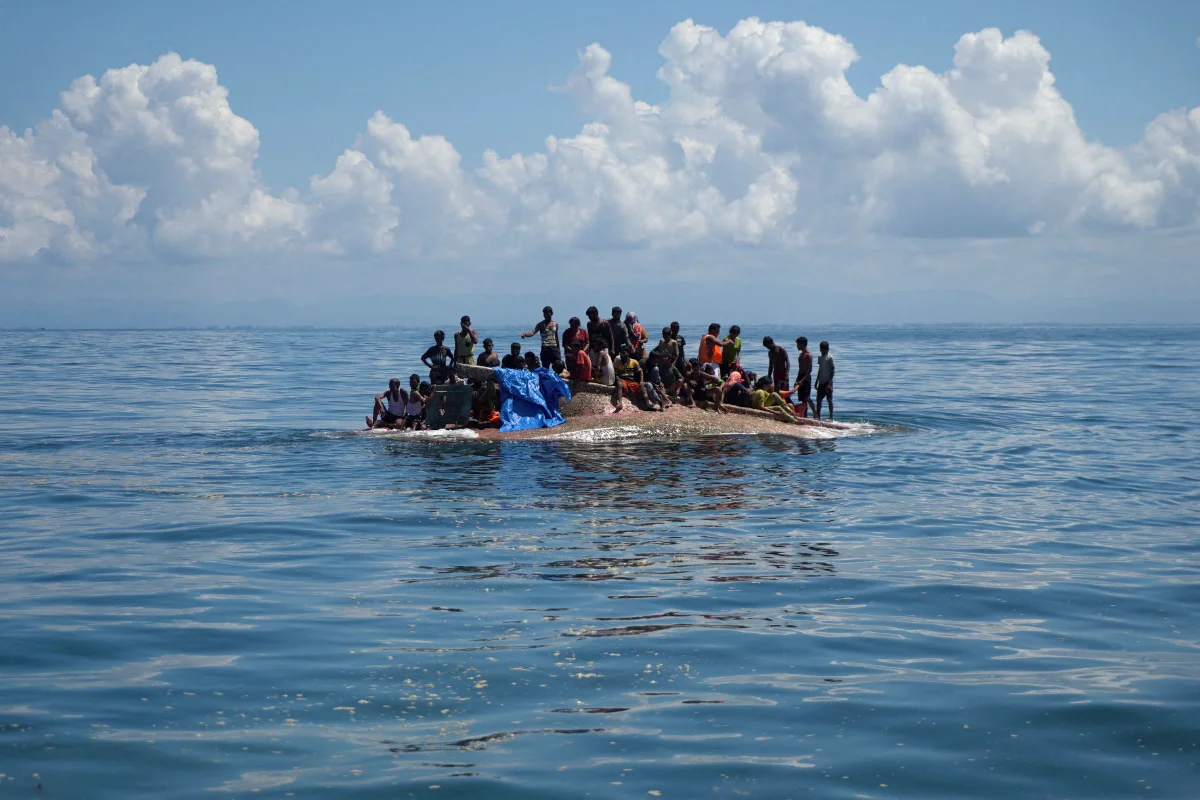
The deadly capsizing of a Rohingya refugee boat has intensified demands for coordinated regional action against human trafficking and the root causes of displacement.
PETALING JAYA: A Malaysia-bound boat carrying Rohingya refugees that capsized in the Andaman Sea, with more than 250 people feared dead, has prompted renewed calls for stronger regional cooperation on irregular migration and trafficking routes.
Myanmar Ethnic Rohingya Human Rights Organisation in Malaysia (MERHROM) president Zafar Ahmad Abdul Ghani said the incident reflects the continuing plight of Rohingya communities affected by conditions in Myanmar and refugee camps in Bangladesh, which have driven repeated attempts to reach Asean countries by sea.
In a statement on Sunday, he questioned how refugees were able to leave camps reportedly under guard, who facilitated their movement, what assurances were given and what measures have been taken against trafficking networks.
MERHROM said regional coordination involving origin, transit and destination countries is needed to address displacement and cross-border trafficking.
“The only way to stop the boat journey is to end the Rohingya genocide.
“This is the root cause of why Rohingya have to flee. Secondly, the traffickers operating in the region must be prosecuted.”
Zafar said refugees are often misled by traffickers arranging sea crossings that frequently end in loss of life.
“The Rohingya who are in desperate situations to save their lives were deceived by these traffickers who facilitated their boat journey that sacrificed their lives.”
He called for stronger enforcement action against trafficking networks and improved humanitarian access, adding that responses must go beyond statements of concern.
MERHROM linked the incident to ongoing violence in Myanmar’s Rakhine State involving the military and the Arakan Army, which it said has restricted movement and aid access.
It said the Rohingya have faced repeated waves of violence over decades, including in 1942, 1978, the 1990s, 2012, 2016, 2017 and beyond.
The group called on Asean, South Asia, the United Nations, the Organisation of Islamic Cooperation, the European Union and civil society groups to coordinate action against trafficking and similar atrocities.
It also called for stronger enforcement of anti-trafficking laws and humanitarian support for survivors regardless of status.
United Nations agencies reported about 250 people missing after the vessel capsized while en route to Malaysia.
It had departed Teknaf in southern Bangladesh on April 4, with the incident reported on April 14.
Reuters said this was among a series of recent deadly sea crossings involving Rohingya fleeing worsening conditions in Myanmar and overcrowded camps in Bangladesh.



