




The Rain Rave Water Music Festival 2026 is estimated to have generated RM392 million in economic returns with 415,000 visitors across six states.
KUALA LUMPUR: The Rain Rave Water Music Festival 2026 is estimated to have generated RM392.33 million in economic returns with a total attendance of about 415,000 visitors, including events held across six states, Tourism, Arts and Culture Minister Datuk Seri Tiong King Sing said.
He said the flagship festival at Bukit Bintang here attracted about 150,000 domestic visitors and 100,000 foreign tourists from countries including China, Japan, Bangladesh, India, South Korea, Thailand, Singapore, Indonesia and Vietnam, generating an estimated RM320.43 million in economic returns for the country.
Organised under the Visit Malaysia 2026 campaign, he said at the same time, events held in Terengganu, Melaka, Negeri Sembilan, Johor, Labuan and Langkawi drew about 165,000 visitors and generated an estimated RM71.9 million in economic returns.
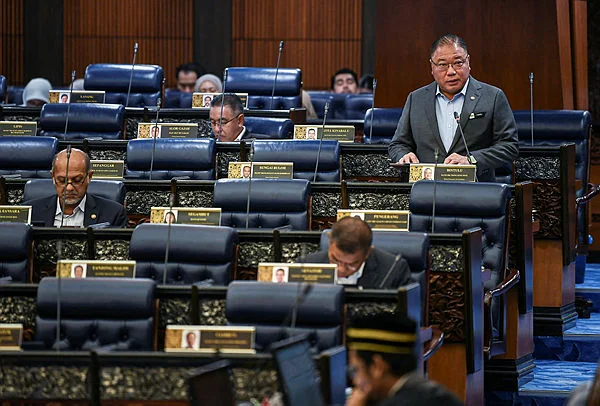
“The estimated economic impact was calculated based on data and methodology used by Tourism Malaysia through the Departing Visitors Survey (DVS), supported by data from the Department of Statistics Malaysia (DOSM),” he said during the Minister’s Question Time in the Dewan Rakyat today.
He was responding to a question from Young Syefura Othman (PH-Bentong), who asked whether the festival had contributed to strengthening event-based tourism, enhancing Malaysia’s appeal as an international tourism destination and maintaining a balance between international elements and appreciation of local culture.
Tiong said the festival formed part of the government’s event tourism strategy through collaboration between Tourism Malaysia and the private sector to attract more visitors, increase tourist spending and stimulate local economic activity.
“While featuring modern international-standard entertainment, the festival also showcased Malaysian traditional music performances, cultural fashion shows, traditional games and heritage food with the participation of local artistes and cultural practitioners,” he said.
He said the total cost of organising the festival was RM15 million, comprising RM11 million in government funding and RM4 million contributed by the private sector.
“For every RM1 spent by the government on the festival generated approximately RM36 in economic returns,” he said.
According to him, although the government could have generated up to RM75 million from ticket sales by charging RM300 per person, it decided to maintain free admission as a gesture of appreciation to Malaysians in conjunction with Labour Day while promoting Visit Malaysia 2026.
To a supplementary question from Datuk Mumtaz Md Nawi (PN-Tumpat), who questioned the suitability of organising the festival and sought a detailed breakdown of its expenditure, Tiong said the programme was open to both international and domestic visitors regardless of race or religion.
“This programme is for international visitors and locals. If locals are able to attend, they may do so. If they are unable to attend, then they need not go. We do not discriminate based on race or religion in this programme,” he added.



