




Table of Contents
Why Malaysians flock to third spaces
THIRD spaces are places outside the home and workplace where people can meet, relax and spend time around others. They include kopitiams, mamak restaurants, libraries, barber shops, markets, bookstores, parks, gyms and community courts.
The term was introduced by American sociologist Ray Oldenburg, who argued that these places help build social ties. Unlike offices or classrooms, they usually have no fixed schedule and require little commitment. People can arrive alone, meet friends or speak to whoever happens to be there.
Malaysia already has a strong culture of third spaces. They may not always be described that way, but they are present in almost every town and neighbourhood.
Kopitiams and mamak stalls
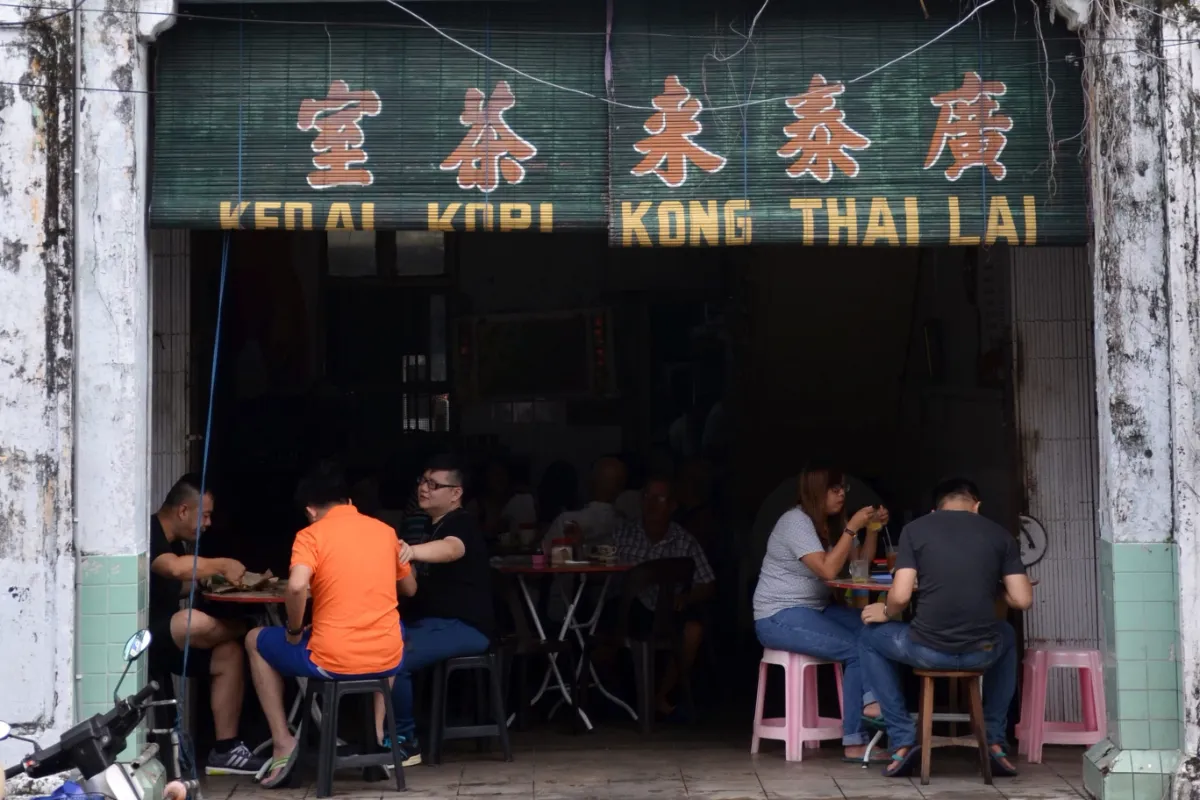
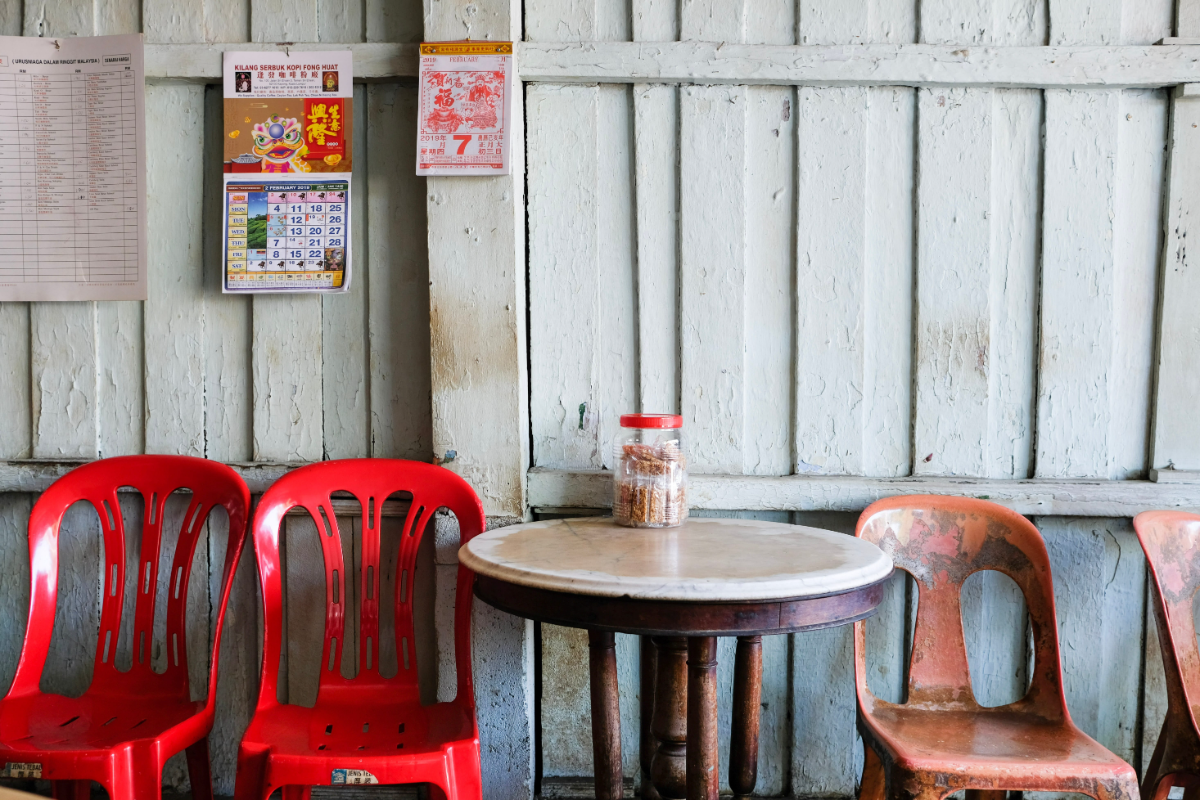
Kopitiams and mamak restaurants are among the most familiar examples. Their role extends beyond serving food.
Customers use them for breakfast meetings, football screenings, late-night conversations, study sessions and casual business discussions. Some stay for 20 minutes, while others remain for several hours.
The variety of customers is part of their appeal. Students may sit beside retirees, office workers or families. Regular customers become familiar with the staff and with one another. News, recommendations and local gossip move easily between tables.
These establishments also operate across long hours, making them available when many other venues are closed. A mamak restaurant can serve as a meeting point before work, after dinner or late at night without requiring advance plans.
Markets and neighbourhood shops
Wet markets, morning markets and pasar malam also function as third spaces, even though shopping remains their main purpose.
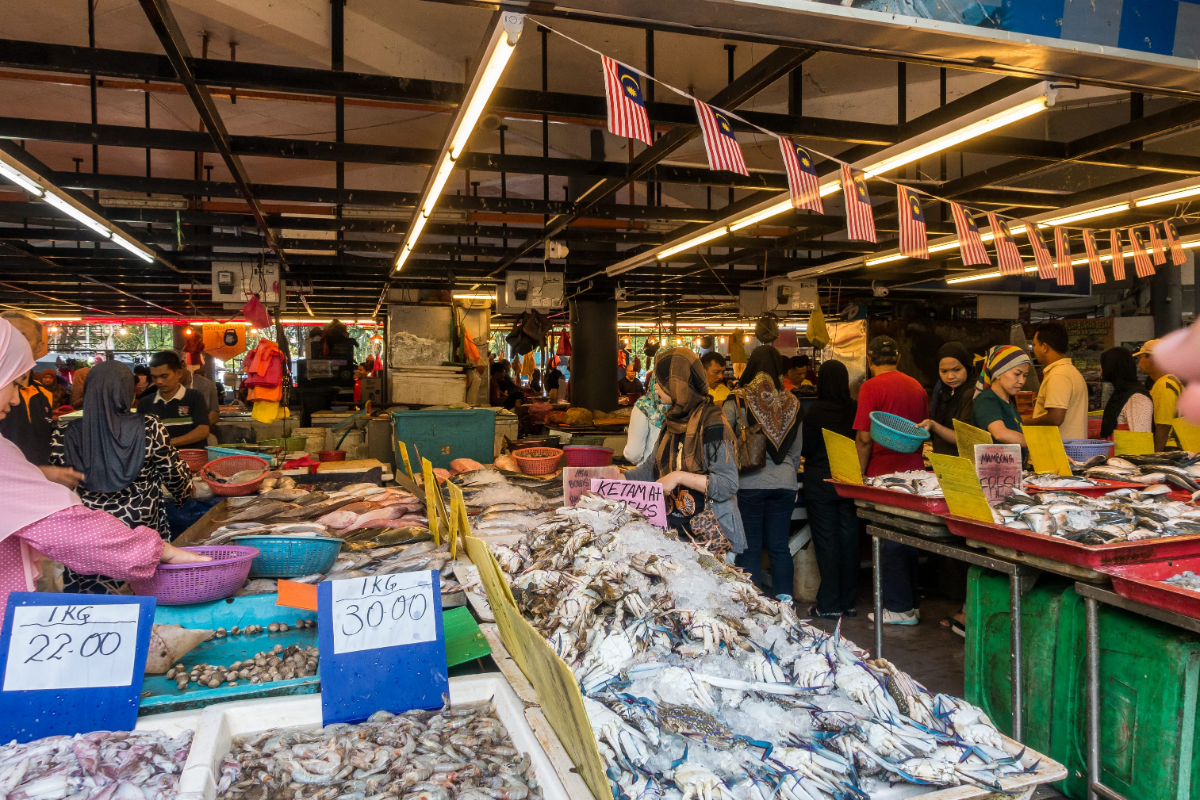
Regular customers often buy from the same traders each week. Conversations develop around prices, recipes, family news and events in the area. Traders remember preferences, set aside particular items and introduce customers to products they may not know.
Neighbourhood grocery shops and convenience stores can play a similar role. Residents stop for small purchases, speak to the owner and learn what is happening nearby.
These interactions are brief, but their frequency helps create familiarity. A neighbourhood feels more connected when residents recognise the people running its everyday businesses.
Libraries and bookshops
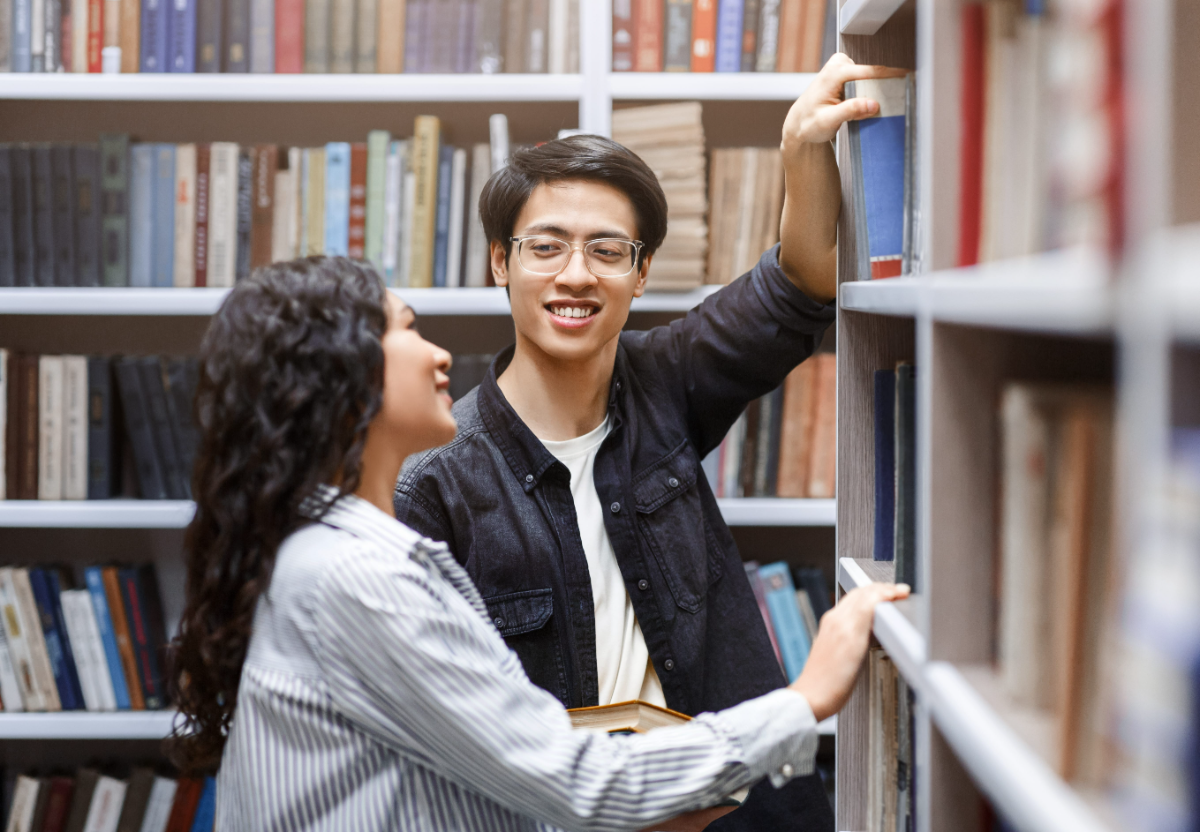
Libraries offer a quieter form of third space. They provide seating, internet access and shelter without requiring visitors to make a purchase.
Students use them for assignments, parents bring children to reading areas and older visitors browse newspapers or books. Public talks, workshops and reading groups can also bring together people with shared interests.
Bookshops with seating and event areas can provide a similar experience. Author sessions, discussion groups and small exhibitions give visitors a reason to stay beyond buying a book.
The best library and bookstore spaces allow quiet use and small group activities. This makes them useful to people who want company without entering a loud or crowded environment.
Barber shops, salons and gyms
Third spaces are not limited to places designed for long visits.
Barber shops and hair salons often become conversation hubs because customers return regularly and spend time speaking with staff. Discussions can cover sport, work, politics, family and neighbourhood issues.
Gyms and sports centres also create communities through repeated visits. People train at the same time, recognise familiar faces and exchange advice. Badminton courts, futsal centres and basketball courts bring together players who may first meet through the activity and later form social groups.
The activity provides an easy starting point for conversation, especially for people who find formal social events awkward.
Place for different generations
One strength of third spaces is their ability to serve more than one age group.
Community courts may be used by children after school and adults in the evening. Food courts receive office workers at lunch, families at dinner and older residents during quieter hours. Libraries can support students, parents and retirees within the same building.
These spaces allow people to share an environment without needing the same interests or background. They also give younger and older residents more opportunities to see and interact with one another outside family settings.
Worth keeping
The appeal of third spaces is practical. They provide somewhere to meet, rest, eat, read, exercise or talk without organising a major outing.
Their value often depends on simple factors: Reasonable prices, convenient hours, accessible entrances, reliable seating and staff who treat visitors well. A polished interior matters less than whether people feel able to return.
Malaysia’s third spaces are found in ordinary businesses and public facilities rather than grand landmarks. They support daily routines, friendships and local networks.
A good third space becomes familiar through repeated use. People know where to sit, what to order and who they are likely to meet. That sense of familiarity is what keeps a kopitiam busy, a court active and a neighbourhood library useful.
READ MORE:
Tanjung Sepat: 8 fun things to do on one-day getaways
8 quirky national fruits, animals worldwide
6 free KL spots every creative should visit



