





EU ministers to vote on stricter migration measures, including ‘return hubs’ outside the bloc and harsher penalties for rejected asylum seekers
BRUSSELS: EU interior ministers are expected to approve a significant tightening of the bloc’s immigration policy on Monday.
The measures include endorsing the concept of setting up “return hubs” for migrants outside the 27-nation bloc.
Governments across Europe are scrambling to take a tougher stance, fearful of far-right parties making gains at the ballot box.
The ministers will vote for the first time on a series of measures presented this year by the bloc’s executive.
If adopted, these measures would notably allow the opening of centres outside the EU’s borders.
Migrants whose asylum applications have been rejected would be sent to these so-called “return hubs”.
The proposals also include harsher penalties for migrants who refuse to leave European territory.
This could involve longer periods of detention for those awaiting removal.
Another measure would allow returning migrants to countries that are not their countries of origin, but which Europe considers “safe”.
A decline in irregular entries to Europe has not eased the political pressure to act.
Entries are down by around 20% so far in 2025 compared to last year.
The latest proposals come just months after the EU adopted a mammoth new migration law that will come into effect in June.
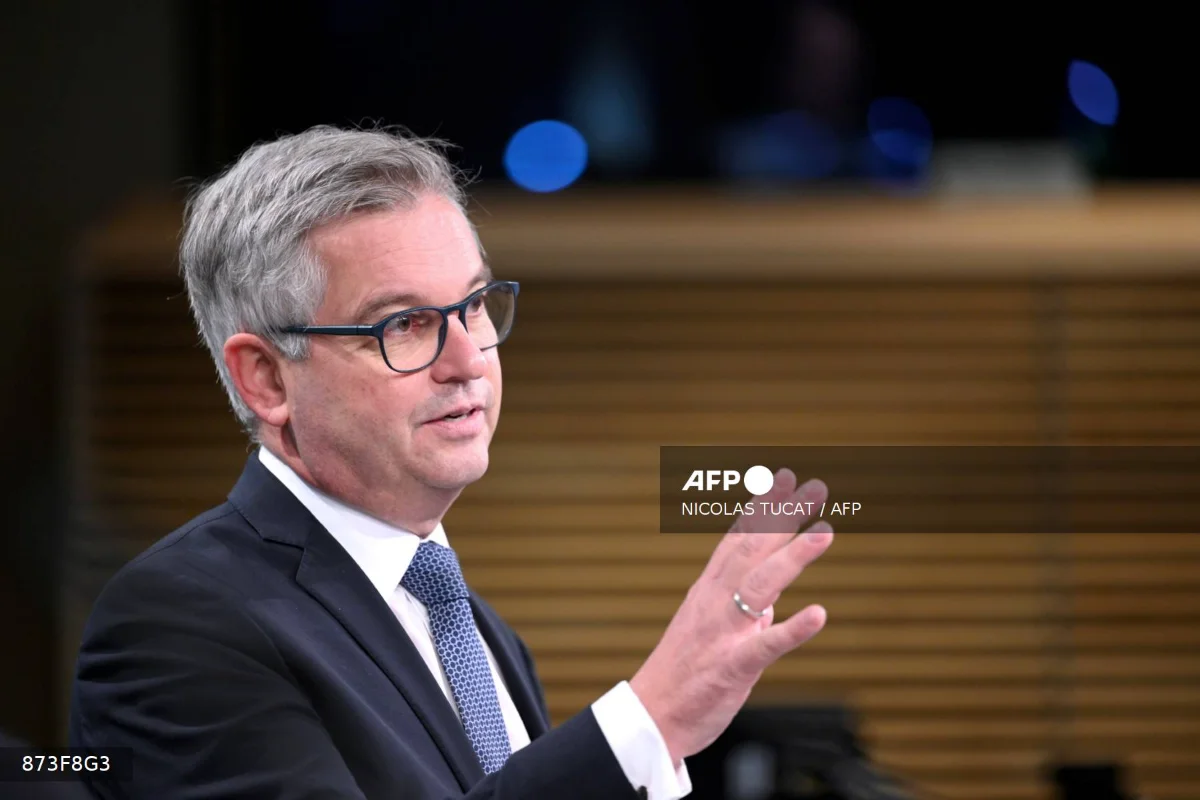
EU migration commissioner Magnus Brunner said, “We have to speed up, to give the people the feeling that we have control over what is happening.”
The new initiatives have caused consternation among activists working with migrants.
“Instead of investing in safety, protection, and inclusion, the EU is choosing policies that will push more people into danger and legal limbo,” said Silvia Carta of PICUM, an NGO that provides protection to undocumented migrants.
Under the impetus of Denmark, which holds the EU’s rotating presidency, member states are moving forward at a rapid pace.
An EU diplomat told AFP that there was “a widely shared political wish” among leaders to press ahead.
But some in the bloc remain sceptical, with France questioning the legality and effectiveness of some proposals.
Spain is not convinced that “return hubs” work after several unsuccessful trials by other countries.
Despite the concerns, there is backing from centre-right and far-right lawmakers in the European Parliament.
If approved by member states, officials aim to immediately begin negotiations with the parliament as the next step.
Monday’s meeting will also involve tricky talks on distributing at least 30,000 asylum seekers under recent legal changes.
That move is part of a new “solidarity” system to help relieve pressure on countries like Greece and Italy.
Other EU countries are expected to accept asylum seekers or contribute EUR 20,000 per person to the countries under pressure.
Putting a hand up to take in extra asylum seekers is fraught with political risk for interior ministers.
The EU is under pressure to hammer out a compromise on resettlement by the end of the year. – AFP



