




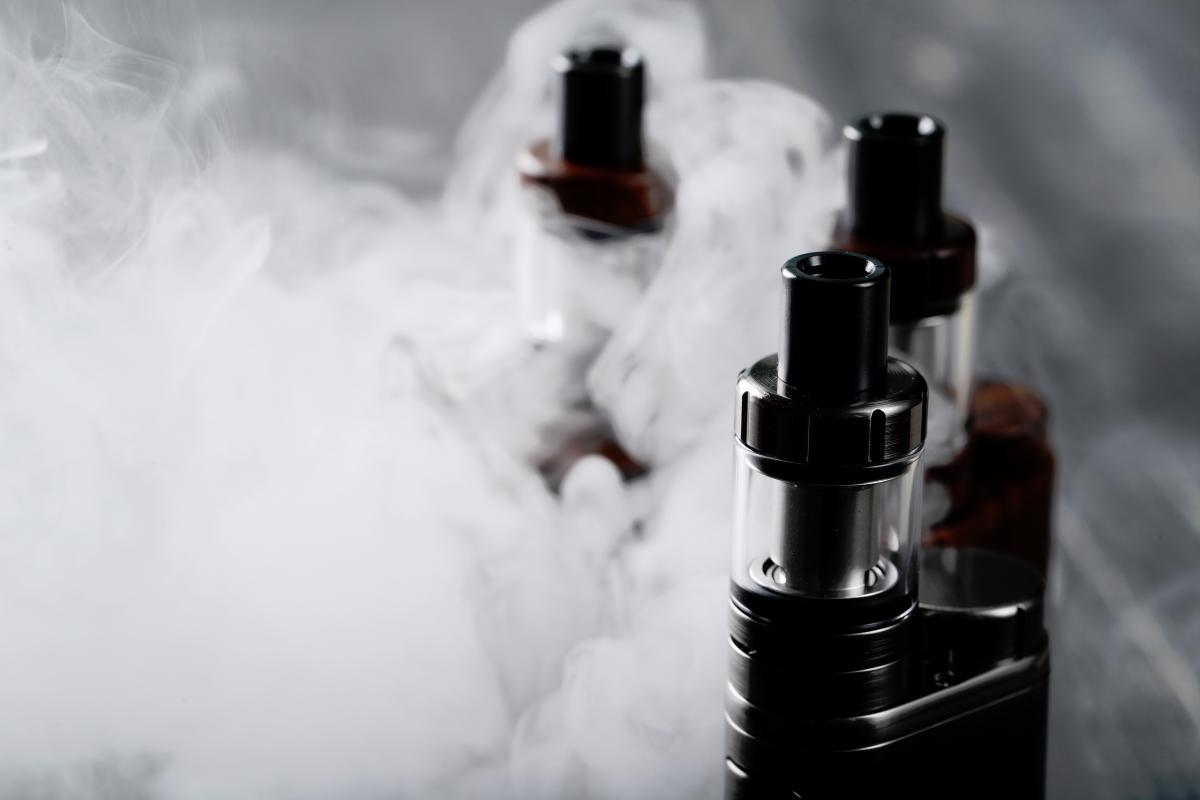
THE emergence of adulterated vape products such as K-Pod, reportedly laced with dangerous psychoactive substances like ketamine, marks a disturbing escalation in Malaysia’s battle against evolving substance abuse trends, particularly among youths.
While it is critical to confront this alarming development, it is equally important to recognise that not all who vape are engaging in drug use.
Many individuals, both youth and adults, use vape products legally, some as a means to quit smoking. A broad-brush condemnation of vaping would ignore this nuance and risk driving the issue further underground.
Tampered vape liquids are no longer just a health issue; they have become stealthy socially accepted delivery systems for synthetic drugs.
Illicit cartridges like K-Pod are discreet, odourless and often flavoured, making them alarmingly accessible and attractive to school and college students. These products represent a multidimensional threat that cuts across public health, enforcement and youth development.
Youths are particularly vulnerable due to a combination of curiosity, peer pressure and the false perception that vaping is safer than traditional smoking or drug use.
Social media trends, influencer culture and targeted advertising have glamorised vaping, pushing it further into the mainstream.
Many young users begin with legal vape products but may unknowingly transition to tampered variants, unaware of the risks until it is too late.
Compounding the problem is the ease of access. Vape liquids, whether regulated or adulterated, are widely available online and through unscrupulous local vendors, often without strict age verification.
The packaging, often resembling fruity or candy-flavoured items, masks the danger and further appeals to young users. This form of substance abuse operates in a grey zone, where awareness is low and enforcement is inconsistent.
Despite recent regulatory reforms, Malaysia’s legal framework remains insufficient to deal with the growing complexity of the vape industry. There is no comprehensive ban or regulation on vape liquids, particularly those imported or sold online.
Enforcement at the point of sale is sporadic and customs control over vape paraphernalia remains porous.
Forensic laboratories are under-equipped and undertrained to test these products rapidly, delaying the detection of tampered vapes in school raids or hospital emergencies.
This is a textbook case of enforcement mechanisms struggling to keep pace with innovation in substance abuse. Without a centralised regulatory body, efforts are fragmented, often falling between the Health Ministry, Ministry of Trade and various enforcement agencies, each deflecting responsibility to the other. The result is a policy vacuum that criminals exploit with ease.
However, a total ban on vape products would likely create more problems than it solves. Prohibition could drive the market underground, making dangerous products even harder to trace and regulate.
It could also penalise legitimate users who rely on vaping as a harm-reduction tool. Moreover, such a move could spark backlash among younger voters and small-business owners, many of whom are part of Malaysia’s growing vape retail ecosystem. The better path is not prohibition but precision regulation.
To address this crisis effectively, Malaysia must take a multipronged approach. First, a centralised regulatory authority should be established to oversee all aspects of vape-related policy, licensing and enforcement.
All vape liquids, especially imported and flavoured variants, must undergo mandatory chemical testing before entering the market. Penalties should be increased for those caught selling adulterated products, particularly in proximity to schools or youth spaces.
A coordinated national task force involving the police, health authorities, customs, forensic experts and education officials is also essential. This body should lead targeted enforcement operations and design culturally relevant awareness campaigns tailored to youths, parents and educators.
We must meet young people where they are on social media, in schools and within peer groups with accurate information and credible messengers.
The spread of adulterated vapes reflects deeper systemic weaknesses. Malaysia’s porous borders, enforcement inconsistencies and black-market economy all contribute to the ease with which dangerous synthetic substances enter the country.
Institutional corruption, gaps in inter-agency coordination and an outdated education system have further compounded the problem. These vulnerabilities must be addressed not just to combat the vape crisis but to strengthen national resilience more broadly.
Importantly, we must also acknowledge the emotional and social drivers behind youth vaping. For many young people, vaping represents more than a habit; it is a form of silent rebellion, identity formation or emotional escape.
Disillusionment with authority, academic pressures and the lack of mental health support are all part of the ecosystem that makes these products appealing. Addressing the issue requires compassion as well as control.
Malaysia’s continued delay in implementing decisive vape regulation raises serious concerns. Economic interests, political hesitation and regulatory inertia have all played a role. But the cost of inaction can be steep. What we risk is not just a public health crisis but the quiet grooming of a new generation into synthetic drug dependence right under our noses.
In conclusion, adulterated vape products represent a clear and present danger to Malaysia’s youth. However, demonising all vape use or rushing into a blanket ban may do more harm than good.
Instead, we must pursue a balanced, evidence-based approach that emphasises regulation, enforcement, education and support. Only through such a strategy can we protect our youths, uphold public health and preserve societal stability in the face of this rapidly evolving threat.
Datuk Dr. P. Sundramoorthy is a criminologist at the Centre for Policy Research, Universiti Sains Malaysia. Comments: [email protected]



