




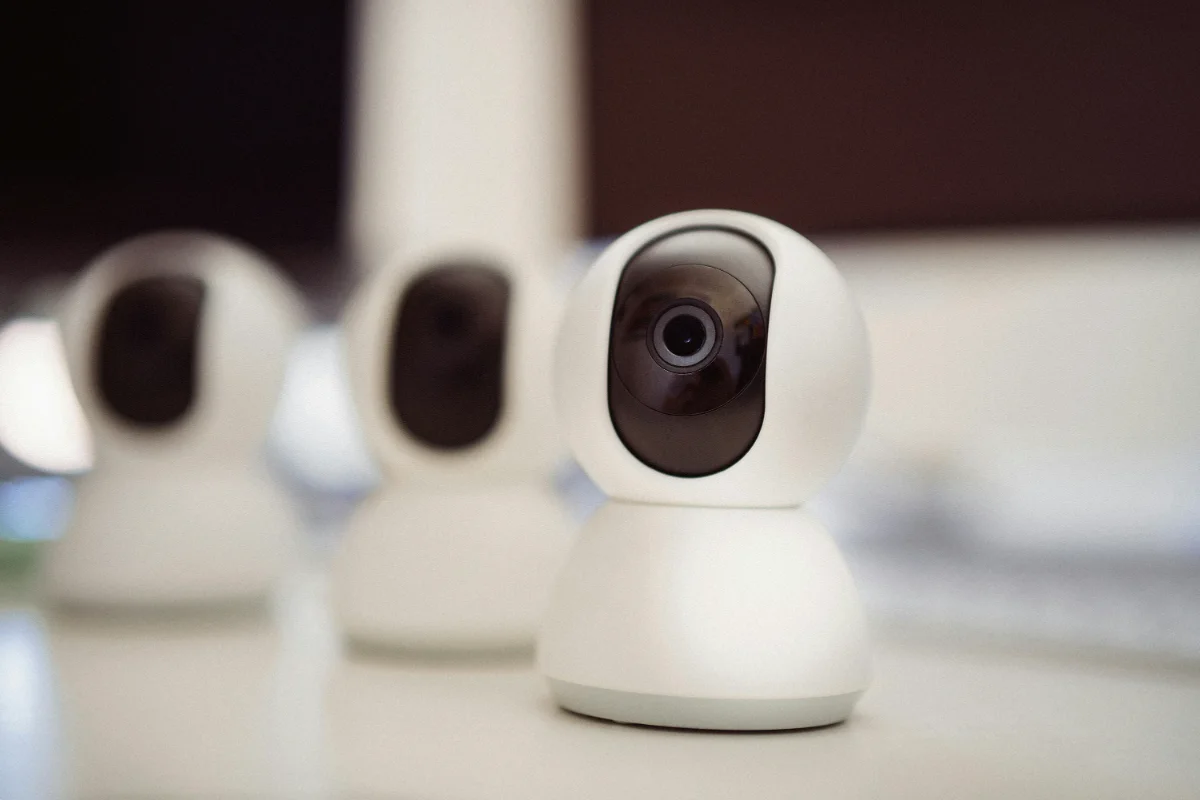
AI-powered image processing enhances daily life in Malaysia, from phone cameras to hospital scans and smart security systems.
EVERY time you take a selfie and your phone magically enhances the lighting or when you walk past a security camera that seems to follow your movement, you are witnessing the quiet power of digital image-processing combined with artificial intelligence.
These technologies are no longer just part of science fiction; they are part of our everyday lives, often working behind the scenes without us even noticing.
Digital image-processing is a way for computers to “see” and “understand” pictures. It helps machines clean up blurry images, recognise faces and even detect objects.
When paired with artificial intelligence, which allows computers to learn and make decisions, the results are impressive. Your phone knows where your face is in a photo.
A hospital scanner can highlight signs of illness and a traffic camera can identify a speeding car in seconds. All of this is possible because of the way computers process images and learn from them.
In Malaysia, these technologies are already being used in many sectors. Hospitals use AI to help doctors read X-rays more accurately.
Security systems in shopping malls and offices use smart cameras to detect suspicious behaviour.
Even agriculture is benefiting, with drones flying over fields to check crop health using image analysis.
It is clear that AI and image processing are helping us live safer, healthier, and more efficient lives.
But as these systems become smarter, they also raise important questions. Who controls the data collected by these cameras? How is your face being stored and used? Can these systems make mistakes?
These are not just technical issues; they are ethical ones. For example, facial recognition can help catch criminals but it can also be used to track innocent people without their knowledge. If the AI is trained on biased data, it may misidentify someone or treat certain groups unfairly.
Privacy is another concern. Many people do not know when or where their image is being captured.
In some cases, images are stored for long periods or shared without consent. That is why experts are calling for clearer rules and better transparency.
People should have the right to know how their data is being used and to say no if they are uncomfortable.
Despite these concerns, the future of AI and image processing is full of promise. There are already cars that drive themselves using cameras and sensors.
Schools may use smart systems to understand how students are feeling. Cities could become safer and more efficient with intelligent surveillance and traffic control. But as we move forward, it is important to balance innovation with responsibility.
Technology should serve people, not control them. As artificial intelligence and image processing continue to grow, we must ask not just what they can do but also what they should do. With the right safeguards, these tools can improve lives without compromising our privacy or freedom.
So, the next time your phone edits your photo or a camera helps keep a building secure, remember it is not just smart tech; it is a reminder that we are living in a world where machines can see, learn and decide. And it is up to us to make sure they do so wisely.
Aqilah Baseri Huddin is a senior lecturer at the Department of Electrical, Electronic and Signals Engineering, Faculty of Engineering and Built Environment, Universiti Kebangsaan Malaysia. Comments: [email protected]



