





Table of Contents
Learning to raise kids amid evolving technology
IN many households, help with homework no longer comes only from a parent at the dining table. It now comes from a prompt typed into a screen, answered instantly by a system that can explain, summarise and suggest. For children, this is becoming routine. For parents, it is a shift that is still being understood.
Artificial intelligence (AI) is filtering into daily habits rather than arriving as a single, visible change. A child checks an answer before asking a question. A school task is drafted with assistance rather than from scratch. These shifts are small on their own, but together they are reshaping how learning happens at home.
From supervision to interpretation
Earlier forms of digital parenting focused on control. Limiting access, monitoring usage and deciding what was appropriate. AI complicates that model because it is not just content to be consumed. It is something children interact with.
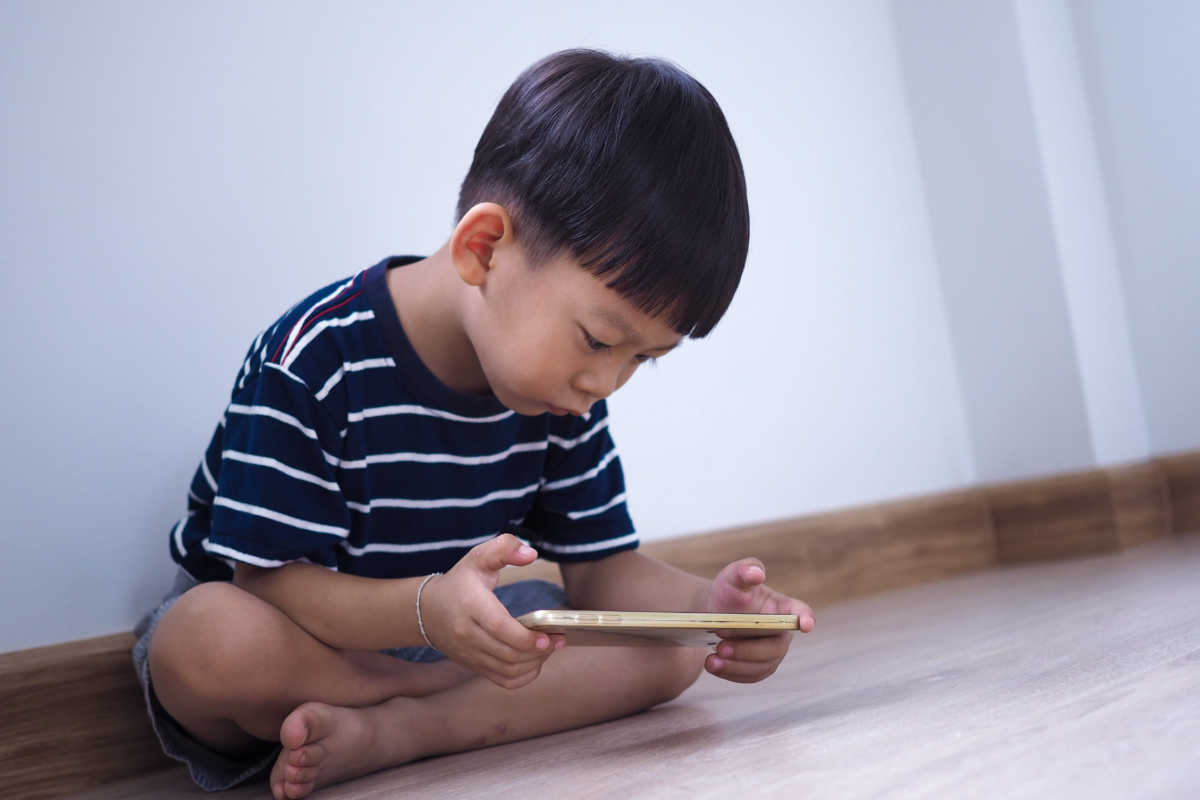
A 2025 study by the United Nations Interregional Crime and Justice Research Institute with researchers from Harvard University found many parents are aware their children use generative AI tools, but do not fully understand how those tools are used in practice. This gap makes it harder to guide behaviour in a meaningful way.
The role of the parent begins to shift. Instead of deciding what to allow or restrict, the focus moves towards helping children interpret what they receive. Not every answer generated by AI is accurate or complete. Knowing how to question it becomes part of learning.
Where AI helps and where it complicates
AI can support schoolwork by breaking down complex topics, offering examples and speeding up research. It can also help children organise ideas, particularly in writing tasks.
At the same time, reliance is a concern. The same study noted adolescents may accept inaccurate responses or rely on copy-pasting without evaluating information, raising questions about critical thinking.
There is also a social dimension. If children begin turning to AI for guidance or conversation, it may change how they seek support from people around them. The effect is gradual, but it alters interaction patterns within the home.
Parents learning alongside children
Familiarity plays a key role. Parents who use AI themselves tend to feel more confident guiding their children and are more open to its role in education.
This aligns with findings from The Education University of Hong Kong, where researchers found parents’ AI literacy is linked to stronger confidence in supporting children’s learning. In practice, parents who understand AI tools are better equipped to explain their limits and benefits.
Without that knowledge, guidance becomes more difficult. Rules can be set, but understanding remains limited.
When technology interrupts parenting
AI also sits within a broader issue. The presence of devices during parent-child interaction. Research from Stanford University School of Medicine highlights how frequent device use can interrupt engagement, a pattern known as technoference, which is associated with reduced responsiveness and early behavioural effects.

AI tools may help manage digital habits, but they remain part of the same environment. Their presence adds complexity rather than removing it.
Different kind of balance
The question for families is not whether AI should be present, but how it should be used. Removing it entirely is unlikely to be practical. Integrating it without guidance carries risks.
Some parents are beginning to treat AI as a shared tool. Asking children to explain how they used it, checking outputs together and discussing whether the results make sense. These steps make AI use more visible and easier to guide.
Changing definition of guidance
AI is becoming part of how children learn, communicate and solve problems. It does not replace parents, but it changes what guidance looks like.
Instead of being the sole source of answers, parents are increasingly helping children decide which answers to trust.
READ MORE:
Filial piety robs Malaysian women of their dreams, goals
Family gatherings: Why teens, young adults avoid them
Why siblings argue and how to stop it



