




Recent tensions involving Iran and the United States, particularly around the Strait of Hormuz, may have influenced how supplier nations view Malaysia despite its non-aligned position.
PETALING JAYA: Norway’s unscrupulous move to revoke export licences for the Naval Strike Missile (NSM) system meant for Malaysia’s Littoral Combat Ship (LCS) programme has triggered fresh concerns over the navy’s future combat capability, while also revealing how access to advanced defence technology is increasingly shaped by geopolitical alignment.
Defence analysts said the fallout goes far beyond the loss of a missile system, adding that the absence of the NSM could affect the LCS’s deterrence capability, delay full operational readiness, and force Malaysia into costly and time-consuming integration work should a replacement weapon system be chosen.
READ MORE: Experts demand end to “trader culture” in Malaysia’s defence procurement
The latest setback also adds pressure on the long-delayed LCS programme, signed in 2011, with the first vessel expected to be delivered later this year.
The project cost has ballooned to RM11.2 billion from the original RM9 billion, despite the number of ships being reduced from six to five.
National Defence University of Malaysia Maritime Technology Department lecturer Lieutenant Mohamad Azrin Abd Aziz said the timing of Norway’s move is significant, given that the NSM procurement agreement has been in place since 2018 before being halted this year.
He said most NSM operators are countries aligned with Nato or the United States, whereas Malaysia has consistently maintained a neutral foreign policy stance.
He also said recent tensions involving Iran and the United States, particularly around the Strait of Hormuz, may have influenced how supplier nations view Malaysia despite its non-aligned position.
“Malaysia is not on their side. Malaysia is totally neutral. But from there, they may have taken the position that this technology must be kept within their own interest group or friendly countries,” said the retired navy veteran.
Azrin said the NSM is regarded as highly sensitive due to its advanced operational capability, including its ability to strike naval and land targets using terrain-following flight profiles.
He added that the setback revives a long-standing concern within the navy about operating sophisticated warships equipped with advanced sensors and combat systems without the primary weapon needed for long-range strike missions.
He drew parallels with the navy’s Kedah-class new generation patrol vessels (NGPV), which entered service from 2006 with provisions for missile systems that were never installed.
“I was part of the first crew on KD Terengganu, one of the navy’s NGPVs. The ship was sophisticated in many ways but because it was ‘fitted for but not with’, it was not supplied with missiles. “So, what happens? We lose firepower. We lose the ‘fang’.
He stressed that while the LCS would retain operational functions, its combat effectiveness would be lessened if deployed without its intended primary strike weapon.
International Islamic University Malaysia defence systems and aerospace engineering expert Assoc Prof Dr Muhammad Hanafi Azami echoed the concern, saying the loss of the NSM risks creating a critical capability gap as the LCS was designed around the missile system as its main surface-to-surface strike weapon.
He said the ships would need their intended long-range strike role unless Malaysia successfully integrates a replacement system.
However, he added that replacing the NSM would be technologically complex and financially demanding.
“Changing a missile is not like changing a car tyre.
“It involves highly complex technology integration. The LCS combat management system has been configured to communicate with the NSM.
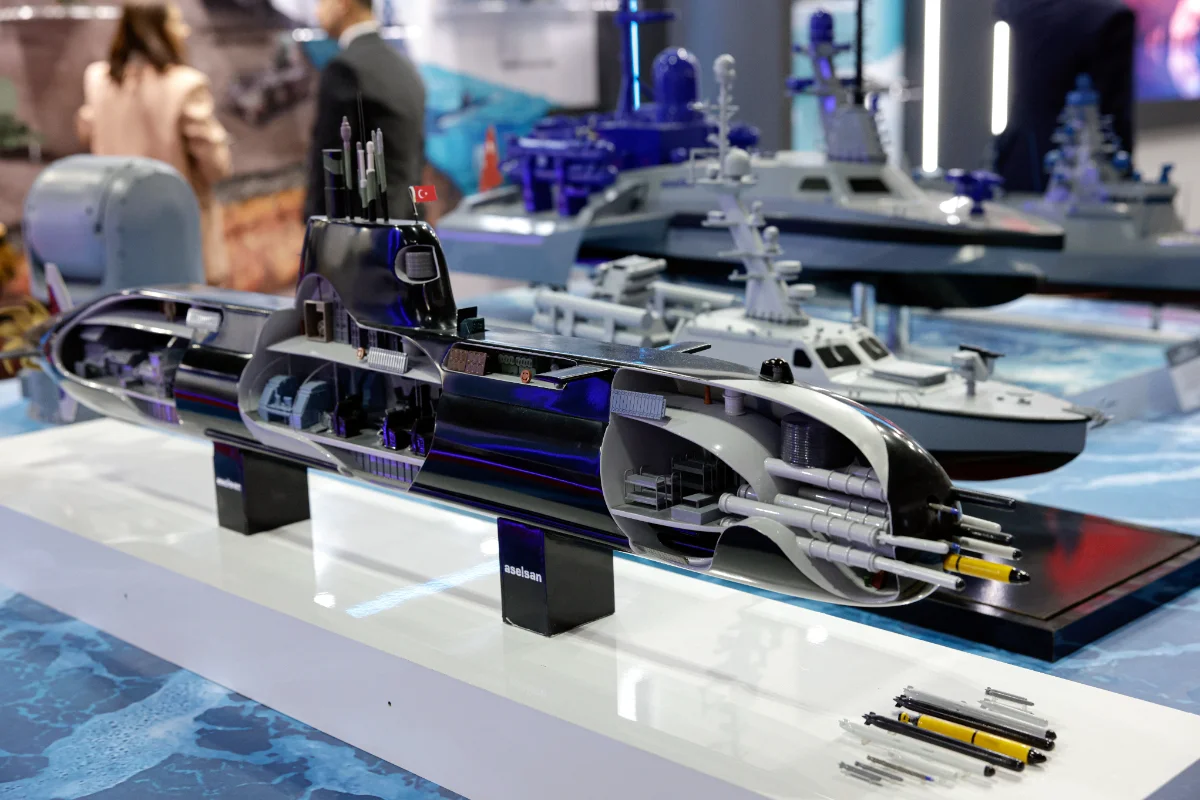
“If Malaysia chooses other options, such as Atmaca (Turkiye’s domestically developed anti-ship missile) or Exocet MM40 Block 3 (France’s anti-ship missile), the software may need to be reworked, which will take time and incur high costs.”
Hanafi said the first LCS could still be delivered on schedule, but it might not achieve full operational capability if the missile issue remains unresolved.
“The navy is racing against time to ensure the LCS does not become an expensive patrol vessel without the proper destructive ‘fang’ it was meant to have.”
The issue came to light on Thursday after Norway revoked export licences for the Kongsberg Defence and Aerospace-produced NSM system procured for Malaysia’s LCS programme.
Prime Minister Datuk Seri Anwar Ibrahim criticised Norway’s move, saying it could undermine confidence in European defence suppliers.
He said he has raised Malaysia’s “vehement objection” during a phone call with Norwegian Prime Minister Jonas Gahr Store after Oslo blocked the delivery of the naval missile system and launcher components intended for the LCS programme.
“The security policy landscape in Europe and globally has changed significantly in recent years,” Norway’s Foreign Ministry said in an email.
“The government has, over time, worked to strengthen controls on defence technology developed in Norway.”
Defence Minister Datuk Seri Mohamed Khaled Nordin said Malaysia signed the contract in 2018 and paid nearly 95% of its value before the export licences were revoked in March.
The Defence Ministry has since established three committees to examine contractual action, alternative systems as well as diplomatic options.



