




Table of Contents
Desmond Sim’s Hungry marks first new work in 11 years, hits harder than any ghost story
WE often hear about the American Dream, but rarely do we stop to consider its Malaysian equivalent.
What does the Malaysian Dream look like? Is it financial stability? Family? Success? Or is it simply the desire to be loved and accepted by the people closest to us?
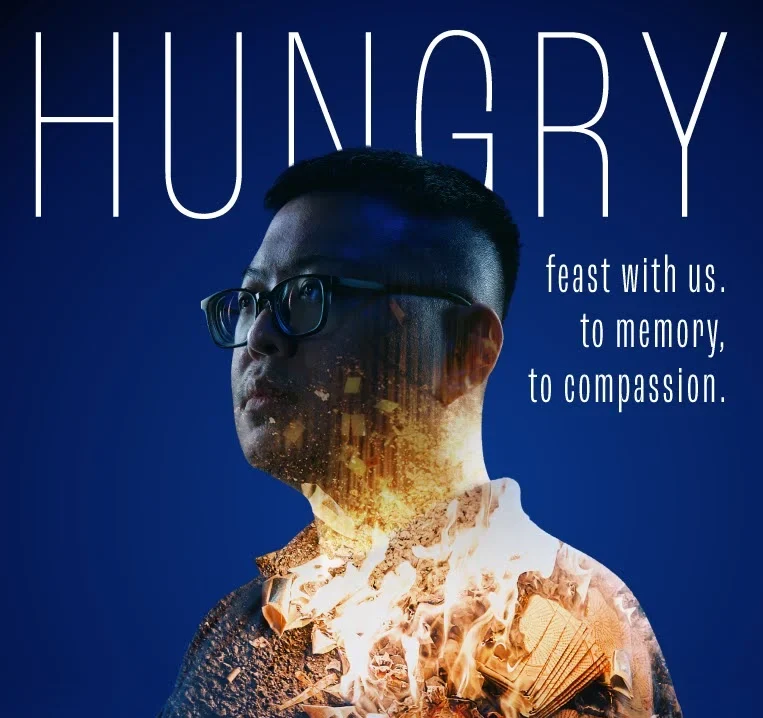
These are the questions at the heart of Hungry, the latest play directed by Christopher Ling and the first new work by playwright Desmond Sim in 11 years.
Set against the backdrop of the Hungry Ghost Festival, Hungry follows a family of four as it navigates grief, expectations and the emotional weight of unmet desires. While the festival traditionally centres on wandering spirits returning to the living world, the play cleverly reframes the idea of hunger. The characters are not starving for food. They are hungry for approval, connection, recognition and love.
Who says only the spirits are hungry?
Every character is searching for something
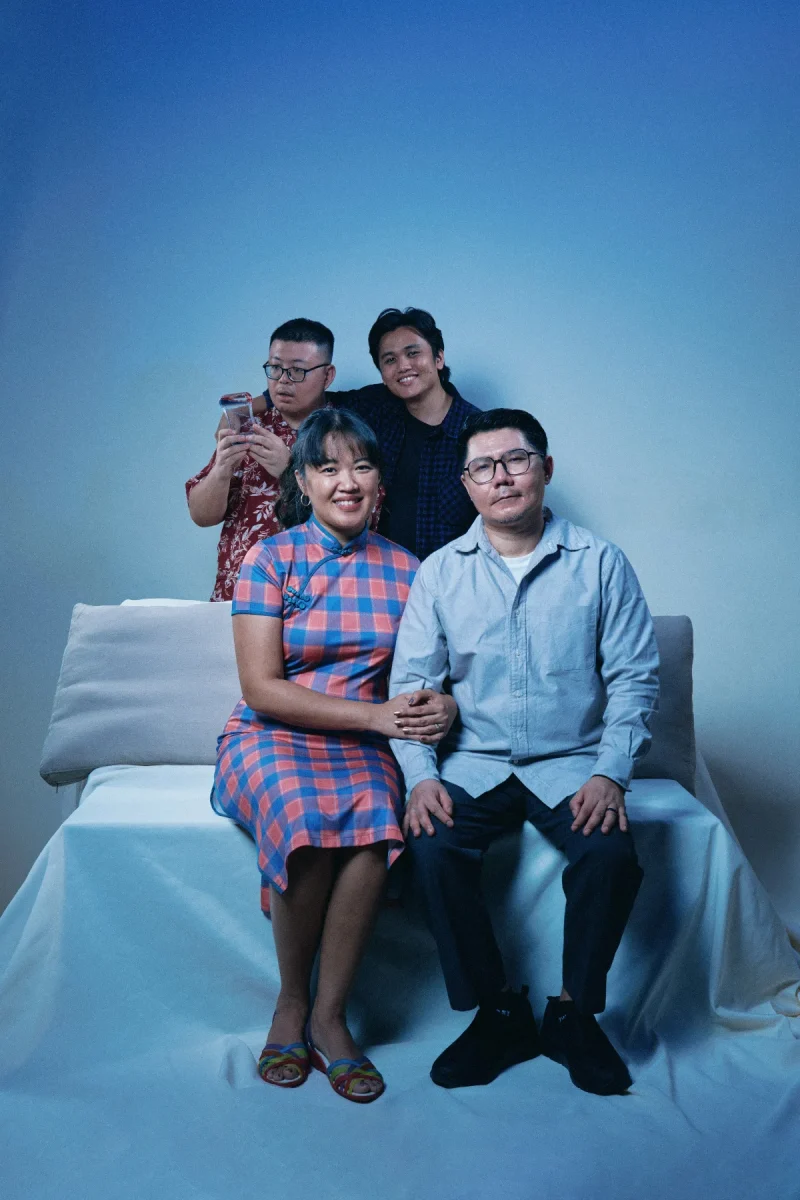
As the family expands from husband and wife to parents of two sons, so do their worries. Conversations that begin with light-hearted debates about the afterlife gradually give way to deeper anxieties about parenthood, responsibility and the future.
What makes Hungry so effective is that every member of the family carries a different burden.
The father longs for a version of life he believes he has lost. The mother desperately tries to hold the family together. One son struggles to find his place within the family while the other yearns for acceptance from a father who cannot seem to understand him.
Their desires may differ but they all stem from the same place: The need to feel seen.
Painful portrait of parental expectations
One of the play’s strongest storylines centres on Dan, a father unable to accept that his son Win is autistic.
Rather than confronting his feelings directly, Dan buries himself in work and distances himself emotionally from his child. He views Win through the lens of what could have been rather than appreciating who he is.
The result is some of the play’s most heartbreaking moments.
Dan’s inability to accept his son is not portrayed as simple cruelty. Instead, the inability emerges from disappointment, fear and unresolved expectations. That complexity makes the character all the more difficult to watch.
Quiet strength in mother’s love
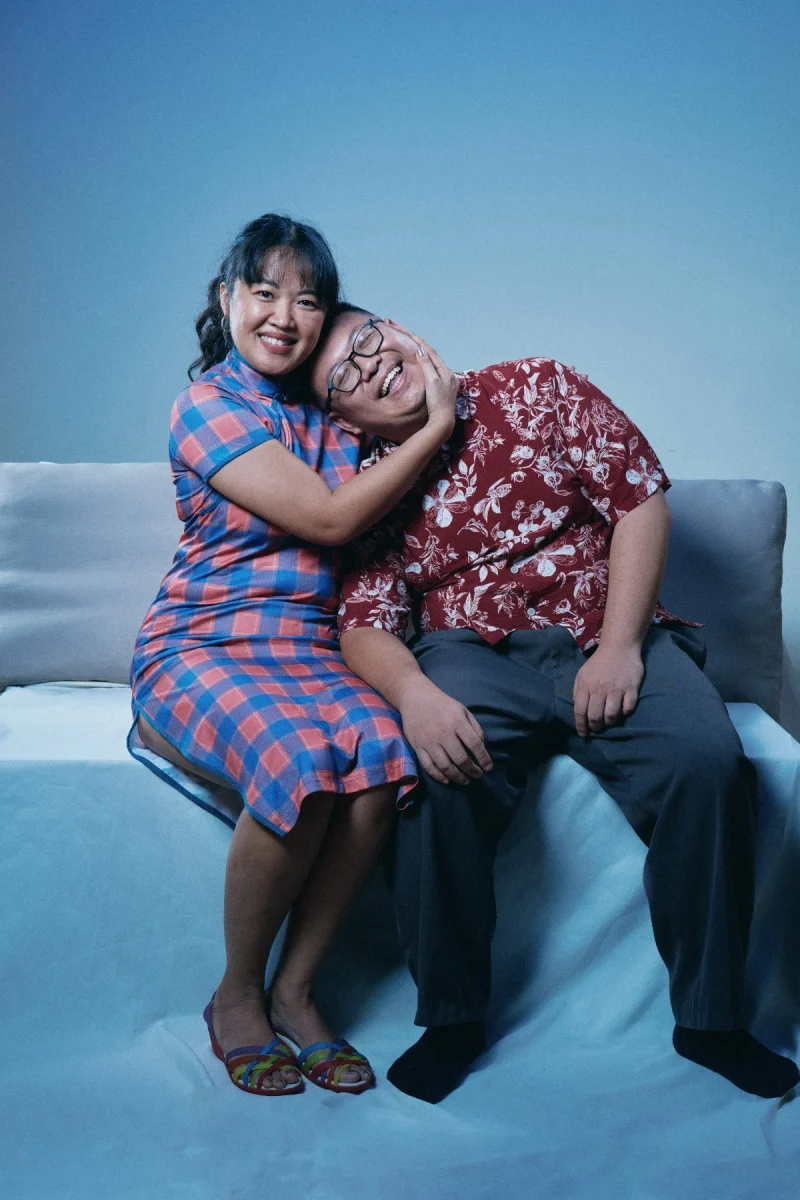
If Dan represents denial, the mother embodies perseverance. As the family’s emotional anchor, she works tirelessly to understand and support both of her sons while navigating the emotional fallout of her husband’s behaviour.
Anrie Too delivers a nuanced performance as a mother who carries immense emotional weight without drawing attention to herself. Her struggles are often internal but they are no less devastating. Through her, Hungry highlights the invisible labour many mothers perform every day, balancing care, sacrifice and resilience without recognition.
Sibling caught in the middle
The play also deserves credit for exploring the often-overlooked experiences of siblings in families with special needs children.
Ted frequently finds himself caught between his parents’ expectations and his brother’s needs. While his father sees him as the son with greater potential, that perceived privilege comes at a cost.
Ted is forced to mature quickly, manage difficult situations and cope with feelings he does not fully understand. His frustration, guilt and resentment make him one of the play’s most relatable characters.
Rather than painting him as selfish or unsympathetic, Hungry acknowledges the complicated emotions that can arise when one child unintentionally becomes collateral damage in a family’s struggles.
Win’s search for acceptance
At the centre of the story is Win, whose greatest desire is remarkably simple.
He wants his father’s love. Gabriel Tham delivers a deeply affecting performance as a young man trying to make sense of a world that often misunderstands him. Some of the play’s most emotional moments come from Win’s attempts to connect with his father despite repeated rejection. A particularly heartbreaking scene involves family photographs, where Win realises he exists on the outside of memories shared between his father and brother.
Moments such as this reveal the emotional intelligence of the script. Rather than relying on grand speeches, Hungry finds power in small, deeply human observations.
Story about being seen
The final act delivers grief, regret and reflection without resorting to easy resolutions.
The ending is not neat. It does not tie every emotional thread together with a bow. Instead, it feels authentic to the complicated realities the play explores.
As the family confronts what has been lost, they begin to recognise the love that was always present but often overlooked.
In doing so, Hungry arrives at a powerful truth. Beneath our ambitions, achievements and aspirations, many of us are chasing the same thing. We want to be accepted. We want to be understood. We want to know that we matter. That, perhaps, is the Malaysian Dream the play speaks to.
Verdict: 9/10
Hungry is not merely a play about the Hungry Ghost Festival or wandering spirits. It is a deeply human story about family, acceptance and the emotional hunger that exists within all of us.
Ling’s direction keeps the story grounded while allowing its emotional moments room to breathe. The cast delivers performances filled with vulnerability and authenticity, elevating an already strong script.
Thought-provoking and emotionally resonant, Hungry asks difficult questions about love, parenthood and acceptance without offering simplistic answers.
It is one of the most affecting local productions in recent memory and a play that deserves to be seen.
Director: Christopher Ling
Cast: Virtuoes Romana, Gabriel Tham, Mark Beau de Silva and Anrie Too
READ MORE:
5 awesome fathers from history
School holidays? Try these 6 family-friendly spots in KL
Evolution of parenting styles across age groups in Malaysia



