





Malaysia and Uzbekistan deepen agricultural cooperation through smart farming, aquaculture and food security technology partnerships.
KUALA LUMPUR: Malaysia and Uzbekistan are set to deepen their strategic partnership in agriculture and food security by tapping into each other’s expertise in smart farming, aquaculture, research and development (R&D), and sustainable technologies.
Uzbekistan Ambassador to Malaysia Dr Karomidin Gadoyev said agriculture has consistently featured prominently in discussions between the leaders of both countries, reflecting the sector’s strategic importance.
“This issue was discussed during Malaysian Prime Minister Datuk Seri Anwar Ibrahim’s visit to Uzbekistan in May 2024 and President Shavkat Mirziyoyev’s visit to Malaysia in February last year,” he said on Bernama TV’s Bernama World programme on Thursday.
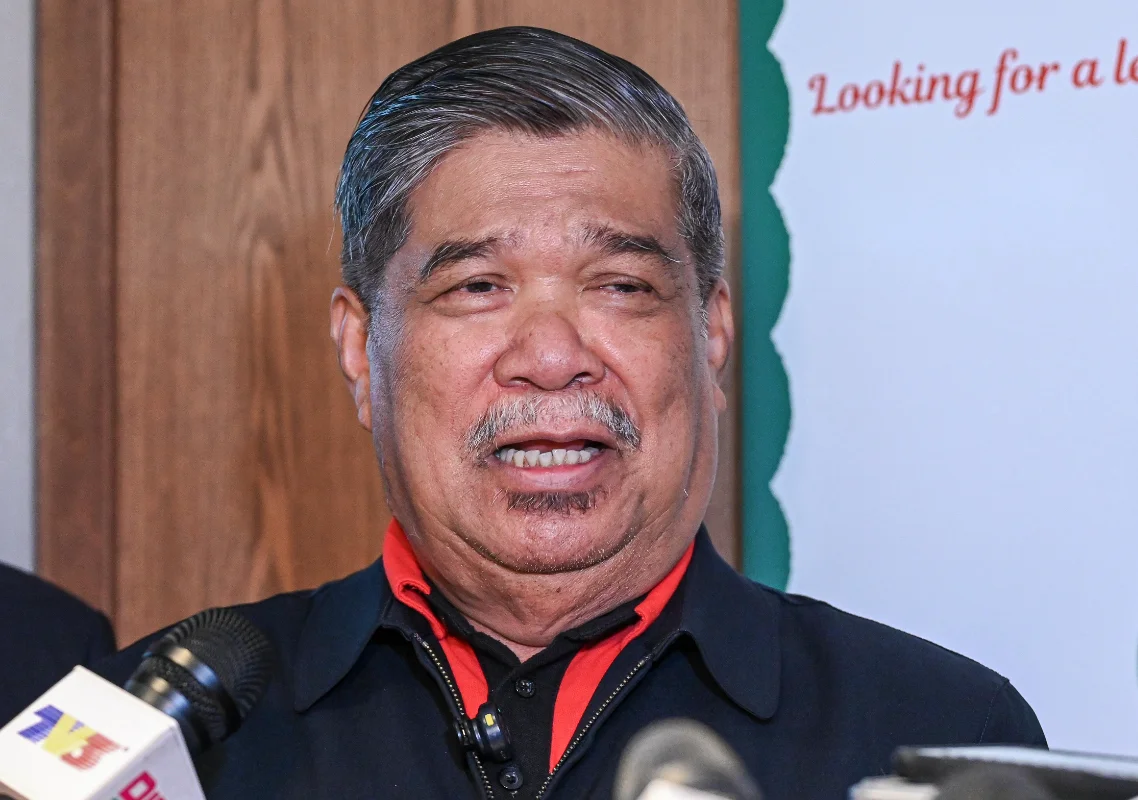
Gadoyev said the recent official visit by Agriculture and Food Security Minister Datuk Seri Mohamad Sabu to Uzbekistan had opened a new chapter in agricultural cooperation between the two countries.
He said Malaysia’s expertise in paddy cultivation, aquaculture, fisheries, smart farming and agricultural R&D complemented Uzbekistan’s strengths in energy-efficient irrigation technologies, horticulture, as well as agri-food production and processing.
On food security, Gadoyev said both countries recognised the importance of digital technologies and artificial intelligence (AI) in boosting agricultural productivity and resilience amid growing global concerns over food supplies.
“Introducing smart and digital technologies to agriculture will drive significant results and Uzbekistan intends to integrate the Malaysian experience and expertise to achieve this goal,” he said.
The ambassador said Uzbekistan is also working closely with the Malaysian Agricultural Research and Development Institute (MARDI) to explore agricultural innovations, while Malaysian company Miracule has established its first agricultural drone showroom in Uzbekistan.
“The next step is to increase usage of drones in agricultural fields of our country and to assemble highly advanced agricultural drones in Uzbekistan,” he added.
Gadoyev also identified aquaculture as a key area for future collaboration, noting that Uzbekistan’s growing population of nearly 40 million and its status as a double-landlocked country have increased demand for seafood products.
He said Malaysia has good experience in biofloc technology, which reduces feed cost by up to 30%, increases productivity and reduces production costs, adding that Malaysian companies had already begun exploring investments in shrimp farming and fisheries projects in Uzbekistan.
On bilateral trade, Gadoyev said agri-food trade between the two countries reached more than RM338 million in 2025, with palm oil and palm oil-based products accounting for the largest share of Malaysia’s exports to Uzbekistan.
“We see a great untapped potential to double or even triple our agri-food trade over the next five to 10 years,” he said, adding that Malaysia could use Uzbekistan as a regional hub to process crude palm oil for distribution across Central Asia, while Uzbek companies expand exports of premium fresh and dried fruits as well as processed food products.
Looking ahead, he expressed confidence that both countries would become mutually complementary in the field of agriculture and food security by combining Malaysia’s technological expertise with Uzbekistan’s extensive agricultural experience.
Gadoyev also welcomed Malaysia’s invitation for Uzbekistan to participate in the Malaysia Agriculture, Horticulture and Agrotourism Exhibition (MAHA) 2026, describing the event as another excellent opportunity to introduce Uzbekistan’s agricultural sector, premium fresh fruits and processed foods to Malaysian businesses and consumers.
“I think MAHA is a very important platform for the further implementation of our planned cooperation in the field of agriculture and food security,” he said.



