




Table of Contents
Parents often celebrate visible milestones such as a baby’s first smile, first words or first steps. But according to child development experts, some of the most important changes happen long before they become apparent.
From conception until around a child’s second birthday, commonly referred to as the first 1,000 days, the brain develops at a remarkable pace.
During this period, millions of neural connections are formed every second, creating the foundation for learning, memory, language, emotional regulation and problem-solving abilities that continue to shape development throughout life.
While genetics provide the blueprint, experts say the quality of a child’s early environment plays an equally significant role.
According to consultant paediatrician Dr Ryan Ng, nutrition, responsive caregiving and everyday interactions all work together to influence how efficiently the brain develops.
Building the brain’s communication network
One of the key processes taking place during early childhood is myelination, a biological process that allows messages to travel more efficiently throughout the brain.
In simple terms, myelin acts like the protective insulation surrounding electrical wires. As this fatty coating forms around nerve fibres, signals can move faster and more accurately between different parts of the brain.
Better communication between brain cells supports a child’s ability to process information, focus, learn new skills and respond to the world around them.
Although myelination begins before birth, it continues throughout childhood and adolescence, with the earliest years representing one of its most active periods.
Brain development, however, is not determined by biology alone. Every conversation, bedtime story, game of peekaboo or shared moment of play strengthens the connections that children rely on as they grow.
Small moments make a lasting difference
While many parents worry about expensive educational toys or enrichment classes, experts suggest that some of the most powerful forms of learning happen during ordinary moments at home.
Reading a story together introduces new vocabulary and encourages imagination. Talking to young children, even before they can respond, helps build language pathways while strengthening emotional bonds.
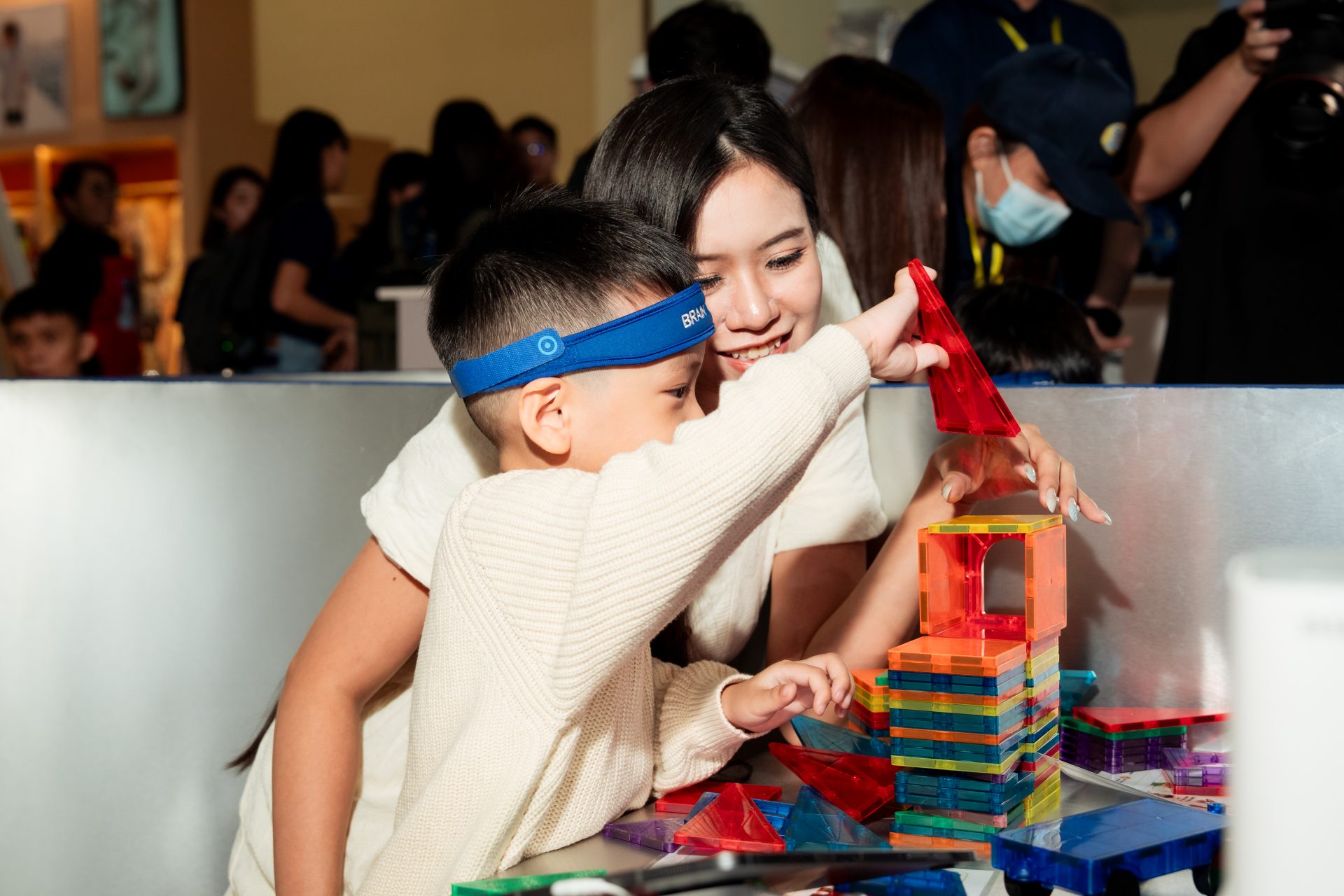
Simple activities such as singing, stacking blocks or playing pretend encourage memory, attention, creativity and problem-solving.
These repeated interactions reinforce neural pathways, making them stronger through regular use.
Supporting healthy brain development

Alongside meaningful interaction, a child’s developing brain also depends on good nutrition, adequate sleep, regular physical activity and a safe, nurturing environment.
Experts emphasise that there is no single formula for raising an intelligent child. Rather than chasing the latest parenting trend, consistency in everyday routines often has the greatest impact.
One question many parents ask is whether meaningful progress can still be made if they only have a short amount of quality time with their children each day.
“If I had to choose just one activity, it would be spending 15–20 minutes in uninterrupted, screen-free interaction with your child. Read together, tell stories, sing, or simply talk and play. The key is responsive, back-and-forth communication.
These everyday interactions strengthen language, thinking skills, emotional development and the parent-child bond. It’s not about expensive toys or extra classes, it’s about being fully present and spending quality times together,” Ng said.
Parents also frequently worry that they may have missed the opportunity to support their child’s development, particularly once preschool years begin.
“The first 1,000 days lay an important foundation but brain development continues well beyond the preschool years. The brain remains adaptable and children continue to benefit from loving relationships, play, reading, good nutrition and adequate sleep.
Rather than asking if it’s too late, parents should remember this: anytime is a good time to support your child’s development and the best time to start is now,” he said.
While the first 1,000 days provide an extraordinary window for brain growth, specialists stress that learning does not stop after infancy. The brain remains adaptable throughout childhood, with every meaningful interaction helping children build confidence, resilience and new skills.
For parents, that means supporting brain development does not necessarily require elaborate lesson plans or costly resources. Sometimes, the most valuable investment is simply setting aside time to talk, read, play and explore together, one conversation at a time.
READ MORE:
Not just about spirits, Hungry explores Malaysian dream
School holidays? Try these 6 family-friendly spots in KL
Malaysian Parenting: Exploring cultural traditions with your children



