




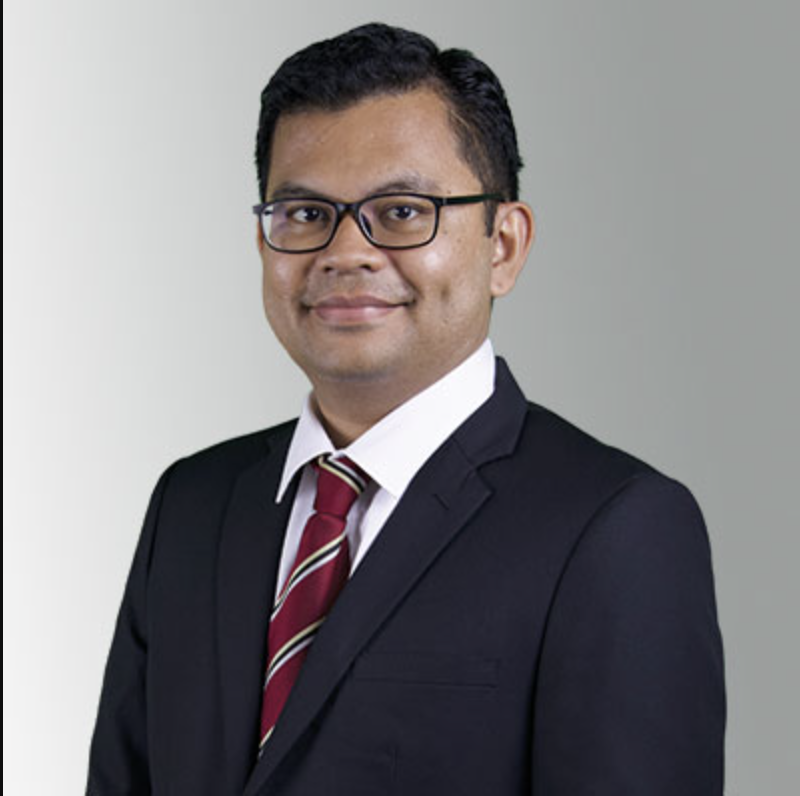
CYBERJAYA: Malaysia has yet to see the technology transfer it expected from foreign participation in the domestic rare earth elements (REE) sector, a key component in efforts to develop a local REE ecosystem, Economy Minister Datuk Seri Akmal Nasrullah Mohd Nasir said.
Akmal said a Chinese company was allowed to participate in rare earth extraction activities in Perak partly to facilitate the transfer of expertise and know-how to local players.
“My understanding is that the Chinese company was allowed to enter Perak for technology transfer to take place. However, we have not seen that happen yet, and that creates a challenge in determining who we should allow into the country to help strengthen the ecosystem,” he said at the TERAJU Startup Ecosystem Engagement Session today.
He added that the government could face future pressure to relax restrictions on rare earth exports as stakeholders seek to monetise the country’s resources.
“I worry that one day someone will come and say, ‘We should export now,’ because there will be revenue and income,” he said.
“But if that happens, that expertise will never exist within the country.”
Akmal said some states could view REE extraction primarily as a source of revenue, creating pressure for the resources to be commercialised quickly.
“There may be states that see this as a source of state revenue. So this pressure will continue to exist, whether sooner or later, for those benefits to be realised.”
He stressed that REE development should be viewed through the lens of national sovereignty rather than purely economics.
“It is not merely a question of profit and loss, but a question of sovereignty,” he said.
Drawing parallels with the semiconductor industry, Akmal said Malaysia must develop domestic capabilities in strategic sectors rather than merely participating in global supply chains.
“Malaysia is ranked sixth in the world in semiconductors. But among ourselves here, who is actually in that industry?” he said.
“That is one of the challenges that we must continue to find solutions for, but globally we are number six.”
Akmal said Malaysia possesses significant rare earth potential but lacks the ecosystem needed to fully capitalise on the opportunity.
“Malaysia has very, very large potential because the REE is here in the country. The challenge is that we do not really have an REE ecosystem in the country,” he said.
He said the immediate priority was to build that ecosystem through regulations and legislation that support industry development.
“The most important thing is for us to see how that ecosystem can be built. The most basic thing that we need is regulations or laws that would allow that ecosystem to be formed,” he said.
However, he acknowledged that developing a new industry presents a classic “chicken and egg” dilemma.
“Do you establish the big companies first, or do you create the products first?” he asked.
Akmal defended Malaysia’s ban on raw rare earth exports, saying direct exports would undermine efforts to build domestic processing capabilities.
“The reason why we do not allow direct exports is because it would not create the processing chain within the country,” he said.
“That is the easiest thing to do…you take it and you export it. That is why we imposed the moratorium.”
He added that the challenge was not only regulatory but also technological, as only a handful of countries possess REE processing capabilities.
“Only a few countries possess those capabilities and they do not easily share that expertise,” he said.
“This industry is extremely niche. It genuinely requires a higher level of expertise.”



