




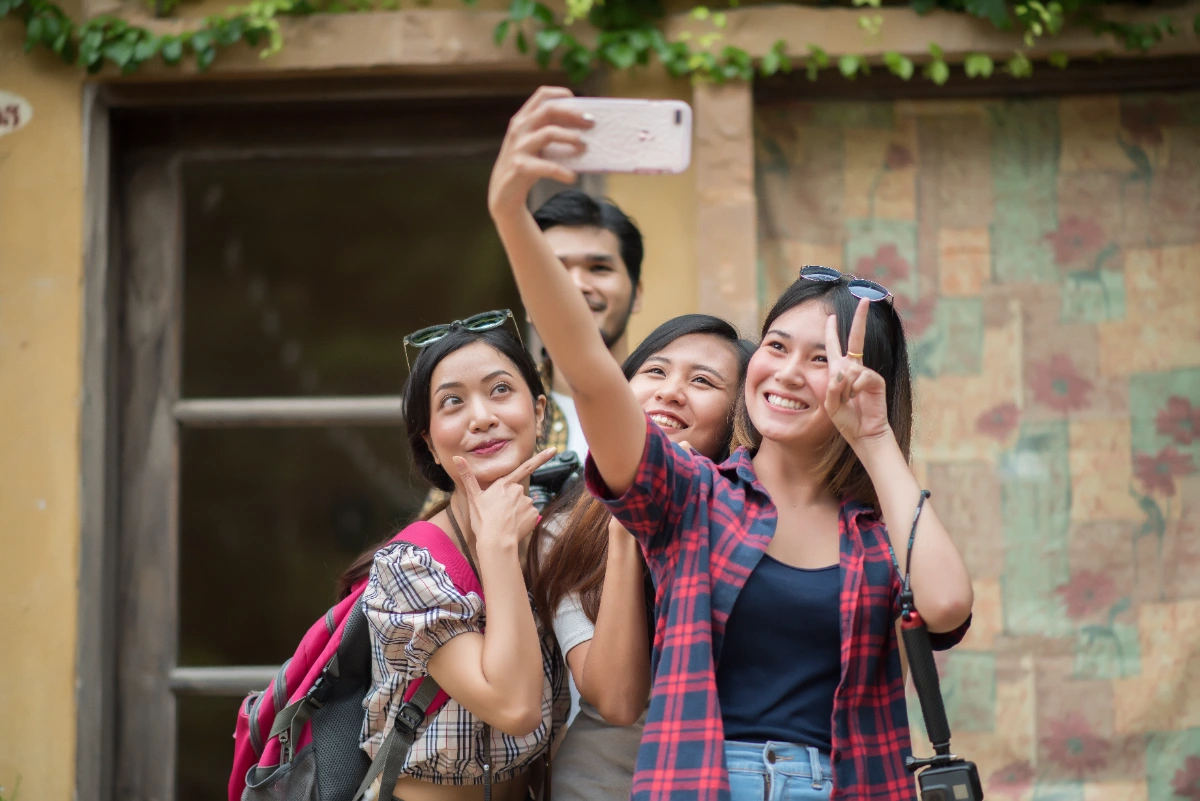
Gen-Z’s cultural literacy is advanced, but true competence requires real-world interaction, not just digital knowledge.
IF we sit for a chat at a coffee shop or browse through the comment sections on social media, we often hear or see the older generation complaining about today’s youths.
Generation Z (Gen-Z) is often portrayed as anti-social, constantly glued to their smartphones and “living in their own world”. But as observers and individuals who frequently work with university students, we hold a slightly different view.
Many would argue that Gen-Z is among the most culturally literate generations in our nation’s history. Having grown up in a borderless world, they consume information daily from across the globe.
As a result, it is no longer unusual to find a Malay youth fluent in Mandarin, an Indian youth highly knowledgeable about South Korean pop culture or a Chinese youth vocal in discussing humanitarian issues in the Middle East.
Compared with previous generations, who relied on encyclopaedias or waited for documentary broadcasts on television, Gen-Z’s cultural literacy is far more advanced. Many are well informed about of what is happening out there.
Yet this raises an important question, one that is frequently debated: Does having an abundance of information at one’s fingertips automatically translate into cultural diversity competence?
Herein lies the paradox facing today’s young generation. Being aware of the existence of diverse cultures is one thing but possessing the ability to interact, negotiate, present ideas and navigate those differences in reality is another altogether.
Consider a situation in the professional world. When young people enter multinational companies, they no longer interact through screens. They cannot simply press the “mute” or “block” button when misunderstandings arise with colleagues from different cultural backgrounds.
The reality of the workplace demands strong interpersonal skills. This includes reading body language, recognising unspoken cultural norms and taboos and managing emotions when interacting with colleagues or clients whose worldviews may differ fundamentally from our own.
For instance, university students today may already be familiar with Japanese cultural etiquette through streaming platforms and the internet.
They may know that different degrees of bowing – eshaku (15°), keirei (30°) and saikeirei (45°) – are used to convey varying levels of respect according to hierarchy and social status. Such knowledge is certainly valuable.
But are they able to translate that knowledge into practice? For example, can they lead a multicultural team while balancing respect for senior colleagues with the confidence and authority expected of a leader? That is the essence of true cultural competence: not merely understanding cultural differences but also knowing when to adapt, how to bridge differences and how to build mutual respect without causing offence.
Many university students excel at academic assignments that require cross-cultural research. Yet, too often, these engagements remain confined to the boundaries of coursework. Once the assignment is completed, opportunities for genuine intercultural interaction and relationship-building are frequently left unexplored.
Cross-cultural interaction should not take place merely because a lecturer requires students to form ethnically diverse assignment groups. Instead, it should be driven by a genuine desire to understand the person sitting beside us and to appreciate perspectives different from our own.
One of the unique challenges facing Gen Z today is the rapid spread of divisive rhetoric across digital platforms. Although they have unprecedented access to information, that abundance also exposes them to propaganda and misinformation disseminated by irresponsible actors seeking to manipulate racial and religious sentiments.
If our undergraduates lack a strong foundation of acceptance – grounded in genuine understanding, mutual respect and openness to differences – their convictions can easily be shaken by provocative rhetoric and divisive propaganda.
Intellectual brilliance alone is insufficient if we are unable to think critically and respond rationally when confronted with sensitive issues involving race and culture.
So, how do we transform broad cultural awareness into genuine competence? The answer does not lie in lecture halls alone.
We constantly urge our students not to shy away from involving themselves in co-curricular activities. Whether through performing arts clubs, volunteer organisations or student representative councils, these experiences place them in real-life situations that demand effective communication, collaboration and conflict management across diverse backgrounds.
It is through these organic experiences that empathy is cultivated. Empathy cannot be memorised from a textbook or gained through endless scrolling on TikTok. It must be developed through firsthand encounters – working alongside friends from diverse ethnic backgrounds, managing crises together and sharing the bittersweet moments of collective experiences.
Our ultimate goal is to produce “glocal” graduates – individuals who are globally competitive, equipped with international knowledge and yet firmly rooted in their Malaysian identity.
We believe today’s generation is not culturally weak. On the contrary, they possess immense potential to become cultural ambassadors who surpass previous generations.
We believe our bright youths have the ability to distinguish diamonds from glass. What they need is the encouragement to step out of their digital bubbles, dive into the real world and translate the speed of information at their fingertips into human connection and warmth in reality.
Pavithran Ravinthra Nath is a lecturer and programme coordinator at Akademi Pengajian Bahasa, UiTM and John Helvy Akam is lecturer at SIDMA College Sarawak. Comments: [email protected]



