




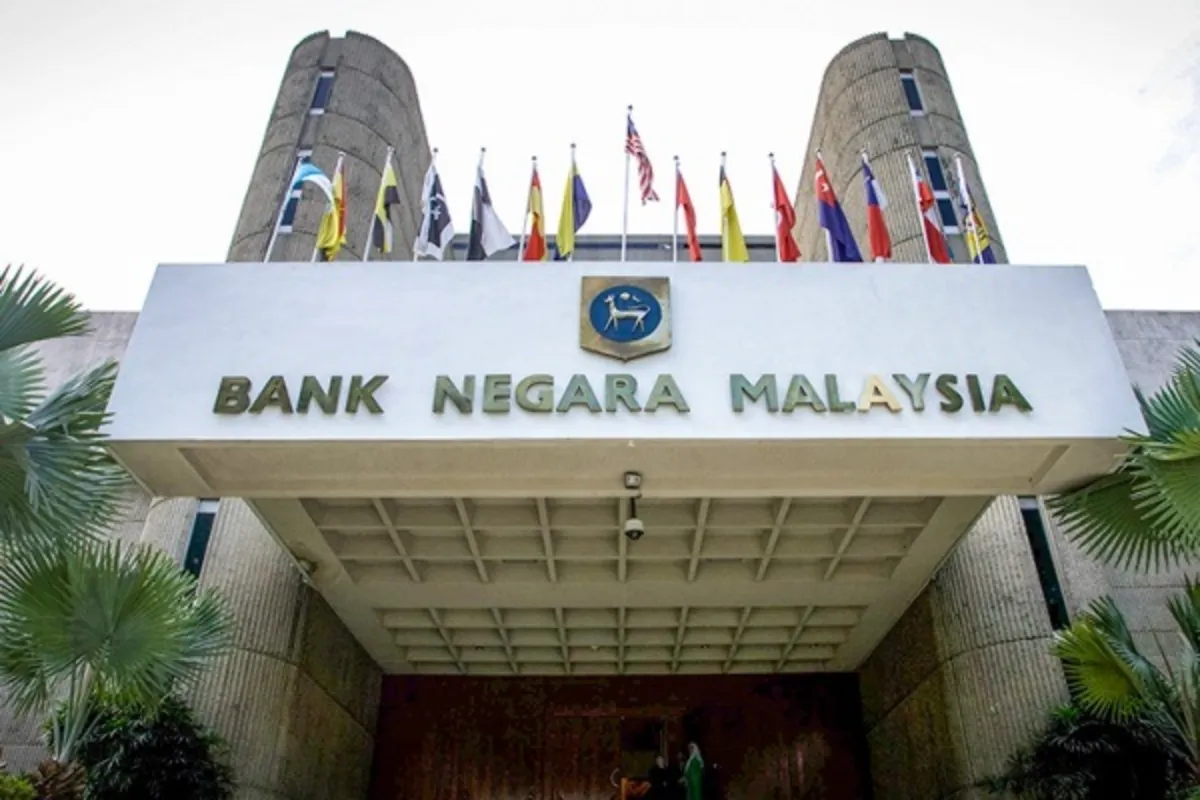
PETALING JAYA: The Monetary Policy Committee (MPC) of Bank Negara Malaysia (BNM) decided to maintain the Overnight Policy Rate (OPR) at 2.75% at its meeting today.
At the current OPR level, the MPC considers the monetary policy stance to be appropriate and consistent with the outlook of continued price stability and sustainable economic growth.
The MPC said it will remain vigilant to ongoing developments and assess the balance of risks surrounding the outlook for domestic inflation and growth.
In a statement, it said the latest indicators point to broadly resilient global growth, supported by strong global tech expansion as well as improving supply conditions and prices of key commodities.
Going forward, a sustained de-escalation of the Middle East conflict would further improve global supply chain conditions. Downside risks to global growth remain, stemming from continued uncertainties surrounding the conflict, tighter global financial conditions and concerns over valuations in financial markets. Upside potential includes faster-than-expected recovery in supply chain conditions, stronger tech spending and pro-growth policy measures in key economies.
For Malaysia, BNM said latest developments point towards resilient growth in the second quarter, driven by sustained domestic demand and stronger-than-expected export performance.
“Ongoing uncertainties surrounding the Middle East conflict could affect the outlook of domestic inflation and growth. Malaysia’s strong fundamentals will continue to underpin the economy’s resilience against external shocks,” it said, adding that employment, wage growth and policy measures will remain supportive of household spending.
BNM said investment activity will be driven by the progress of multi-year projects in both the private and public sectors, implementation of new smaller-scale public projects, continued high realisation of approved investments, as well as the ongoing implementation of national master plans.
The external sector will be further lifted by improved global prospects and robust demand for electrical and electronics (E&E). Additional support will come from the rebound in non-E&E exports and sustained tourist spending, the central bank said.
Therefore, BNM said the growth projection for 2026 is expected to be firmly within the forecast range of 4%−5%. This growth outlook remains subject to downside risks from a prolonged conflict in the Middle East and lower commodity production.
Upside potential to growth could arise from a better global growth outlook following de-escalation of the conflict, stronger demand for E&E goods and higher tourism activity.
The central bank said the headline and core inflation in the first five months of the year averaged 1.7% and 2.1% respectively, broadly within expectations, amid some initial pass-through of higher global cost pressures.
Developments surrounding the Middle East conflict remain fluid, with elevated global commodity prices expected to exert upward pressure on inflation. Nevertheless, the impact on both headline and core inflation in 2026 is expected to remain contained, reflecting domestic policy measures and stable demand conditions, which will mitigate the pass-through of external cost pressures to domestic prices, said BNM.



